Unlock your full running potential by mastering the art of proper respiration. This guide delves into the crucial techniques and physiological principles that underpin effective breathing, transforming your runs from a struggle for air into a symphony of sustained performance.
We will explore the profound impact of diaphragmatic breathing, optimal rhythmic patterns, common pitfalls to avoid, targeted exercises, and environmental considerations, all designed to elevate your endurance and enjoyment on every run.
Understanding Diaphragmatic Breathing for Runners
For runners aiming to enhance their endurance and overall performance, mastering the art of correct breathing is paramount. While often overlooked, breathing mechanics play a crucial role in oxygen delivery, energy production, and even the prevention of fatigue. This section delves into diaphragmatic breathing, a fundamental technique that can significantly elevate your running experience.Diaphragmatic breathing, also known as belly breathing, is the most efficient way for the body to take in oxygen.
Unlike shallow chest breathing, which relies on the upper chest muscles, diaphragmatic breathing utilizes the diaphragm, a large, dome-shaped muscle located at the base of the lungs. This deeper, more controlled form of respiration ensures a greater intake of oxygen and a more effective expulsion of carbon dioxide, directly impacting your aerobic capacity and stamina.
The Mechanics and Significance of Diaphragmatic Breathing
The diaphragm is the primary muscle of respiration. When you inhale, the diaphragm contracts and flattens, pulling downward and outward. This action increases the volume of the thoracic cavity, creating negative pressure that draws air into the lungs. Conversely, during exhalation, the diaphragm relaxes and returns to its dome shape, pushing air out of the lungs. For runners, this efficient mechanism is vital for sustained oxygen supply to working muscles, which is the bedrock of endurance.
Physiological Benefits of Effective Diaphragm Use During Running
Utilizing the diaphragm effectively during aerobic activity offers a cascade of physiological advantages. Increased tidal volume, the amount of air inhaled or exhaled during a normal breath, means more oxygen enters the bloodstream with each breath. This leads to improved oxygen saturation and better delivery to muscles, delaying the onset of fatigue and enhancing performance. Furthermore, efficient exhalation removes carbon dioxide more effectively, helping to maintain a healthy blood pH balance, which is critical for sustained effort.
Diaphragmatic breathing also promotes relaxation by stimulating the parasympathetic nervous system, reducing stress and anxiety associated with strenuous exercise.
Techniques for Practicing Diaphragmatic Breathing Outside of Running
Mastering diaphragmatic breathing can be cultivated through consistent practice away from your runs. This will build muscle memory and make the technique more accessible when you are running.Here are several techniques to practice:
- Lying Down Practice: Lie on your back with your knees bent and feet flat on the floor. Place one hand on your chest and the other on your belly, just below your rib cage. As you inhale deeply through your nose, focus on allowing your belly to rise, pushing your hand upward, while keeping your chest relatively still. As you exhale slowly through your mouth, feel your belly fall.
- Seated Practice: Sit comfortably in a chair with your back straight. Place your hands on your belly. Practice the same breathing pattern as the lying down exercise, focusing on the expansion of your abdomen during inhalation.
- Hand Placement Cue: Continue to use hand placement as a sensory cue even when standing or walking. This helps to reinforce the feeling of the diaphragm’s movement.
- Mindful Observation: Throughout your day, take moments to consciously observe your breath. Notice if you are chest breathing and gently guide yourself back to diaphragmatic breathing.
Diaphragmatic Breathing Versus Shallow Chest Breathing for Endurance
The contrast between diaphragmatic and shallow chest breathing is stark, especially in the context of endurance running. Shallow chest breathing relies on the accessory muscles of the upper chest and shoulders. This method is less efficient, leading to quicker fatigue of these muscles and a feeling of breathlessness. It also results in a lower tidal volume, meaning less oxygen is taken in per breath, forcing the runner to breathe more frequently and often erratically.A comparison table highlights the key differences:
| Feature | Diaphragmatic Breathing | Shallow Chest Breathing |
|---|---|---|
| Primary Muscle Used | Diaphragm | Upper chest and shoulder muscles |
| Depth of Breath | Deep and full | Shallow and rapid |
| Oxygen Intake | High | Low |
| Efficiency | High | Low |
| Impact on Endurance | Enhances, delays fatigue | Limits, increases fatigue |
| Effect on Stress | Promotes relaxation | Can increase tension |
Step-by-Step Guide to Identify and Engage the Diaphragm at Rest
Engaging your diaphragm effectively is a skill that can be learned and refined. Following these steps while at rest will build the foundational awareness needed to apply it during your runs.Here’s how to identify and engage your diaphragm:
- Find a Comfortable Position: Sit or lie down in a relaxed posture. Ensure your clothing is not constricting your abdomen.
- Place Your Hands: Place one hand on your upper chest and the other hand on your abdomen, just below your rib cage. This hand placement will serve as a guide to monitor your breathing.
- Observe Your Chest Hand: Take a normal breath without consciously trying to change anything. Notice if the hand on your chest moves significantly. If it does, you are likely chest breathing.
- Focus on Your Abdomen: Now, consciously try to inhale deeply through your nose. As you inhale, focus on pushing your abdomen outwards, as if you are filling your belly with air. The hand on your abdomen should rise noticeably.
- Minimize Chest Movement: While your abdomen rises, try to keep the hand on your chest as still as possible. This indicates that you are primarily using your diaphragm and not engaging your upper chest muscles excessively.
- Exhale Slowly: Exhale slowly and completely through your mouth, allowing your abdomen to fall naturally. As you exhale, you should feel your diaphragm relax and return to its original position.
- Repeat and Refine: Practice this several times. The goal is to make this deep, abdominal breathing feel natural and effortless. You may feel a slight tension in your abdomen as you inhale, which is normal.
“The diaphragm is your primary engine for breathing; learning to harness its power is key to unlocking greater running endurance.”
Optimal Breathing Patterns During Running
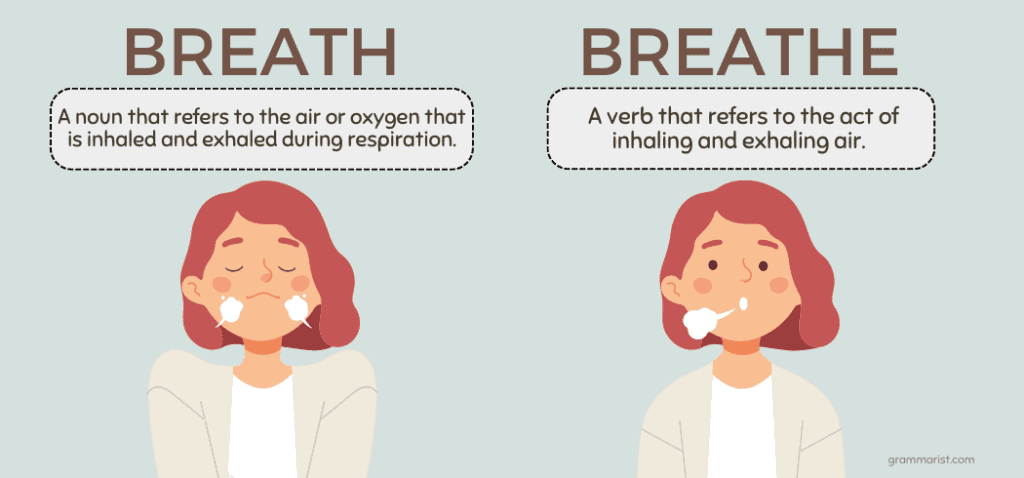
Understanding how to breathe effectively while running is crucial for maximizing oxygen delivery to your muscles and improving overall performance. This involves synchronizing your breath with your stride, managing your inhale-exhale ratios, and adapting your technique to varying terrains and intensities. By developing a conscious and efficient breathing pattern, you can significantly enhance your endurance and reduce the sensation of breathlessness.
Breathing Rhythm and Running Cadence
Synchronizing your breath with your running cadence, or the number of steps you take per minute, can create a more efficient and sustainable running rhythm. This synchronization helps distribute the effort of breathing evenly across your steps, preventing premature fatigue. The ideal rhythm often depends on your pace and personal comfort.For slower, conversational paces, a 3:3 rhythm (three steps for each inhale, three steps for each exhale) is commonly recommended.
This allows for deeper breaths and ample recovery between breaths. As your pace increases, you might transition to a 2:2 rhythm (two steps per inhale, two steps per exhale), which is more demanding but suitable for moderate efforts. At very high intensities, such as during sprints, a 2:1 or 1:1 rhythm might be necessary to meet the body’s increased oxygen demands, though these are typically short-lived.
Inhale-Exhale Ratios and Oxygen Intake
The ratio of your inhalation to exhalation plays a vital role in how effectively your body takes in oxygen and expels carbon dioxide. A balanced ratio ensures sufficient oxygenation without leading to hyperventilation or insufficient carbon dioxide removal.
A common and effective inhale-exhale ratio for endurance running is 1:1 or 1:This means inhaling for the same number of steps as you exhale, or exhaling for twice the number of steps as you inhale. The latter, a longer exhale, can be particularly beneficial for promoting relaxation and efficient gas exchange. For instance, a 2:3 ratio (inhale for two steps, exhale for three) can encourage a fuller exhalation, clearing more carbon dioxide and making room for a deeper inhale. Conversely, a ratio like 2:1 (inhale for two steps, exhale for one) is often used during high-intensity bursts when rapid oxygen intake is paramount.
Adjusting Breathing Patterns for Uphill Climbs and Sprints
Varying terrain and intensity demand specific adjustments to your breathing. Uphill climbs require more effort, thus increasing your oxygen needs, while sprints are short, explosive efforts that necessitate rapid oxygen delivery.During uphill climbs, you will naturally find yourself breathing harder and faster. It’s beneficial to shorten your stride slightly to match the increased effort and potentially adopt a 2:2 or even a 2:1 breathing rhythm.
Focusing on a strong, controlled exhale can help clear the lungs and prepare for the next inhale, preventing shallow, rapid breathing. For sprints, the focus shifts to maximizing oxygen intake in a short period. A 2:1 or 1:1 rhythm becomes essential, allowing for quick, deep breaths to fuel the intense muscular effort. Training your body to tolerate these higher breathing rates during specific intervals will improve your capacity to handle them during races.
Nasal Versus Mouth Breathing
Both nasal and mouth breathing have their roles and advantages for runners, depending on the intensity of the run.Nasal breathing is generally favored for lower-intensity, longer-duration runs. The nasal passages warm, humidify, and filter the air, which can be beneficial for lung health and can also help promote diaphragmatic breathing. This method encourages slower, deeper breaths and can improve the body’s efficiency in utilizing oxygen.
Mouth breathing, on the other hand, becomes necessary during higher-intensity efforts when the demand for oxygen exceeds what can be adequately supplied through the nose alone. It allows for a greater volume of air to be taken in quickly. Many runners find a combination of both, with a dominant nasal inhale and a slightly open mouth exhale, to be effective for moderate to high-intensity running.
Sample Training Plan to Improve Breathing Efficiency
This sample plan is designed to gradually enhance your breathing efficiency over four weeks. Consistency is key, and it’s advisable to perform these drills 2-3 times per week.
- Week 1: Focus on Diaphragmatic Breathing and Nasal Inhalation
- Warm-up (5 minutes): Light jogging or brisk walking.
- Drill 1 (10 minutes): Practice nasal breathing while running at a very easy, conversational pace. Focus on deep belly breaths. Aim for a 3:3 or 4:4 breathing rhythm.
- Drill 2 (5 minutes): Include short (30-second) intervals of slightly faster running, focusing on controlled nasal breathing as much as possible.
- Cool-down (5 minutes): Static stretching.
- Week 2: Introduce Inhale-Exhale Ratios and Rhythmic Breathing
- Warm-up (5 minutes): Light jogging.
- Drill 1 (15 minutes): Run at an easy to moderate pace. Experiment with a 2:2 breathing rhythm. Focus on exhaling fully to prepare for the next inhale.
- Drill 2 (5 minutes): Incorporate short hill repeats (e.g., 3 x 45 seconds uphill) focusing on maintaining a rhythmic breath, even as effort increases.
- Cool-down (5 minutes): Static stretching.
- Week 3: Increase Intensity and Adapt Breathing
- Warm-up (5 minutes): Light jogging.
- Drill 1 (20 minutes): Run at a steady, comfortably hard pace. Aim for a 2:2 or 2:1 breathing rhythm. Pay attention to how your breathing changes with slight variations in pace.
- Drill 2 (7 minutes): Practice short sprints (e.g., 4 x 30 seconds fast) with full recovery, focusing on maximizing oxygen intake during the sprint.
- Cool-down (5 minutes): Static stretching.
- Week 4: Integrate and Refine Breathing Patterns
- Warm-up (5 minutes): Light jogging.
- Drill 1 (25 minutes): Simulate race pace or a challenging tempo run. Focus on maintaining an efficient and adaptable breathing pattern, shifting between 2:2 and 2:1 as needed.
- Drill 2 (8 minutes): Practice breathing during varied terrain, including short uphill sections and flat stretches, to mimic race conditions.
- Cool-down (5 minutes): Static stretching.
Common Breathing Mistakes and Solutions

While mastering diaphragmatic breathing and optimal patterns is key to enhanced running endurance, many runners inadvertently adopt habits that hinder their progress. Recognizing and correcting these common breathing mistakes can significantly improve oxygen intake, reduce fatigue, and make your runs more enjoyable. This section will delve into typical errors and provide practical solutions to overcome them.Many runners, especially when pushing their limits, fall into patterns of inefficient breathing.
These can range from shallow chest breaths to completely holding one’s breath, all of which limit the body’s ability to receive adequate oxygen. Understanding these pitfalls is the first step toward implementing more effective breathing strategies.
Shallow Chest Breathing
Shallow chest breathing, also known as thoracic breathing, is characterized by the use of the upper chest and shoulders rather than the diaphragm to inhale. This method engages smaller muscles, leading to quicker fatigue and less efficient oxygen exchange.
The negative effects of shallow chest breathing include:
- Reduced lung capacity utilization, meaning you’re not taking in as much air as you could be.
- Increased muscle tension in the neck and shoulders, which can lead to discomfort and restricted airflow.
- A feeling of breathlessness even at moderate intensities, as the body struggles to meet oxygen demands.
- A higher heart rate as the body tries to compensate for lower oxygen levels.
To correct shallow chest breathing, focus on engaging your diaphragm. Place a hand on your stomach and aim to make it rise as you inhale, while your chest remains relatively still. Practicing this during rest and incorporating it into your warm-up can help make it a more natural part of your running form.
Breath-Holding and Irregular Breathing Patterns
Breath-holding, even for short durations, and inconsistent breathing rhythms disrupt the steady supply of oxygen to your muscles. This can lead to a buildup of carbon dioxide, a feeling of panic, and a premature onset of fatigue.
Comparing the negative effects of breath-holding or irregular breathing patterns highlights their detrimental impact:
| Breathing Pattern | Negative Effects |
|---|---|
| Breath-Holding | Sudden drop in oxygen, rapid increase in carbon dioxide, muscle cramps, dizziness, increased perceived exertion, potential for “hitting the wall” earlier. |
| Irregular Breathing (e.g., gasping, very short inhales) | Inconsistent oxygen delivery, inefficient gas exchange, heightened anxiety, difficulty maintaining pace, increased strain on respiratory muscles. |
The ideal scenario is a rhythmic, consistent breathing pattern that allows for continuous oxygen intake and carbon dioxide expulsion. Aim for a natural rhythm, often a 2:2 or 3:3 inhale-to-exhale ratio, which can be adjusted based on your effort level.
Recognizing and Addressing Shortness of Breath
Shortness of breath during a run, often termed “dyspnea,” can be a sign that your breathing is not meeting your body’s oxygen demands. While some breathlessness is normal during intense efforts, persistent or overwhelming shortness of breath indicates an issue with your breathing technique.
To recognize and address shortness of breath during a run:
- Tune into your body: Pay attention to how your breathing feels. Is it labored? Are you gasping for air? Do you feel a tightness in your chest?
- Assess your pace: Are you running too fast for your current fitness level or breathing capacity? Try slowing down to a conversational pace.
- Focus on exhale: Often, shortness of breath is due to an incomplete exhale. Consciously try to lengthen your exhale to clear your lungs more effectively.
- Return to diaphragmatic breathing: If you find yourself reverting to chest breathing, consciously shift back to deep belly breaths.
- Take a short break: If shortness of breath is severe, stop running and focus on deep, controlled breaths until you recover.
Remember, the goal is to manage your breathing, not to eliminate all breathlessness, which is a natural response to exertion.
Relaxing Shoulders and Neck for Better Airflow
Tension in the shoulders and neck can significantly restrict the diaphragm’s movement and limit the expansion of the rib cage, thereby impeding deep breathing. This tension often arises from stress, improper running form, or simply forgetting to relax.
Methods to relax the shoulders and neck to facilitate better airflow include:
- Conscious relaxation during warm-up: Before you start running, perform gentle shoulder rolls, neck stretches, and shrugs to release built-up tension.
- Regular check-ins during your run: Periodically scan your body for tension. If you notice your shoulders creeping up towards your ears, consciously drop them down.
- Arm swing coordination: Ensure your arm swing is relaxed and complementary to your stride, not stiff or forced. A natural arm swing helps maintain an open chest.
- Breathing with movement: As you inhale, allow your shoulders to feel a slight natural lift, and as you exhale, let them relax downwards. This synchronizes breath with body movement.
- Mindfulness and visualization: Visualize tension melting away from your neck and shoulders with each exhale.
By actively working to keep your upper body relaxed, you create more space for your lungs to fill completely, leading to more efficient and sustainable breathing during your runs.
Breathing Exercises and Drills for Enhanced Performance

Incorporating specific breathing exercises and drills into your training regimen can significantly enhance your running performance by improving oxygen utilization, reducing fatigue, and fostering a deeper mind-body connection. These practices, when performed consistently, can transform your ability to sustain effort and recover more effectively.
Pre-Run Breathing Activation
Engaging in targeted breathing exercises before your run primes your respiratory system for the demands of exercise. This preparation helps to increase lung capacity, improve diaphragm activation, and promote a sense of calm focus, setting a positive tone for your entire run.
- Diaphragmatic Breath Activation: Lie on your back with knees bent and feet flat on the floor. Place one hand on your chest and the other on your belly. Inhale deeply through your nose, feeling your belly rise and expand while keeping your chest relatively still. Exhale slowly through your mouth, gently drawing your belly button towards your spine. Repeat for 5-10 breaths.
- Lateral Rib Cage Expansion: Sit or stand comfortably. Place your hands on your lower ribs. Inhale deeply through your nose, focusing on expanding your rib cage outwards to the sides, as if you are trying to spread your hands apart. Exhale fully through your mouth. Repeat for 5-10 breaths.
During-Run Breathing Techniques
Maintaining an optimal breathing pattern during your run is crucial for sustained energy and comfort. These techniques help synchronize your breath with your stride, preventing shallow breathing and promoting efficient gas exchange.
Box Breathing for Runners
Box breathing, also known as square breathing, is a powerful technique to regulate your breath and enhance focus during strenuous activity. It involves inhaling, holding, exhaling, and holding for equal durations, creating a steady, rhythmic pattern.
To perform box breathing during your run, find a comfortable pace and focus on the following:
- Inhale deeply through your nose for a count of four.
- Hold your breath for a count of four.
- Exhale slowly through your mouth for a count of four.
- Hold your breath again for a count of four.
Repeat this cycle for a set number of breaths or for a specific duration, such as one minute. This method helps to calm the nervous system, improve CO2 tolerance, and maintain a steady heart rate, especially during challenging segments of your run.
Rhythmic Breathing Patterns
Synchronizing your breath with your footsteps can lead to a more efficient and less taxing running experience. Different stride-to-breath ratios are optimal for different intensities and individual preferences.
- 3:3 Pattern (for easier efforts): Inhale for three footsteps, exhale for three footsteps. This is a relaxed rhythm suitable for warm-ups, cool-downs, or very easy endurance runs.
- 2:2 Pattern (for moderate efforts): Inhale for two footsteps, exhale for two footsteps. This is a common and effective pattern for tempo runs and sustained moderate-intensity efforts.
- 2:1 or 1:2 Pattern (for higher intensity): Inhale for two footsteps, exhale for one, or inhale for one, exhale for two. These shorter cycles are used for very high-intensity efforts when breathing becomes more demanding. Experiment to find what feels most natural and sustainable.
Post-Run Recovery Breathing
After your run, your body needs to transition back to a resting state. Focused breathing exercises aid in this recovery process by lowering your heart rate, reducing muscle tension, and promoting relaxation.
Mindful Breathing for Focus and Reduced Perceived Exertion
Mindful breathing involves bringing your awareness to the sensation of your breath without judgment. This practice can help you stay present, detach from discomfort, and shift your perception of effort.
During your cool-down or even during longer runs, consciously shift your attention to the inhale and exhale. Notice the feeling of the air entering and leaving your nostrils, the rise and fall of your chest and abdomen. When your mind wanders, gently guide it back to your breath. This practice helps to calm the mind, reduce the feeling of breathlessness, and make the effort feel more manageable.
Breathing Support Through Stretching and Mobility
Efficient breathing relies on a mobile and functional respiratory system. Incorporating specific stretches and mobility exercises can free up the diaphragm and intercostal muscles, allowing for deeper and more effective breaths.
Routine for Enhanced Respiratory Mobility
This routine targets key areas that influence breathing mechanics. Perform these exercises gently and with control, focusing on the breath throughout each movement.
- Cat-Cow Stretch: On your hands and knees, inhale as you drop your belly and arch your back, looking up (cow pose). Exhale as you round your spine, tucking your chin to your chest (cat pose). Focus on coordinating your breath with the spinal movement.
- Thoracic Spine Rotations: Lie on your side with knees bent. Place your bottom arm straight and your top arm extended towards the ceiling. Inhale and as you exhale, rotate your upper torso and the top arm towards the floor, keeping your hips stacked. Inhale to return to the starting position.
- Intercostal Stretches: Stand tall and reach one arm overhead. Gently lean to the opposite side, feeling a stretch along the side of your rib cage. Hold for a few breaths, inhaling deeply into the stretched side.
- Diaphragmatic Release (Foam Rolling): Lie on your back with a foam roller placed just below your rib cage. Gently allow your torso to relax over the roller. Breathe deeply, allowing the pressure to release tension in the diaphragm.
Breathing Meditation for Recovery and Mental Preparedness
A dedicated breathing meditation practice can profoundly impact your recovery and mental readiness for future runs. It fosters a state of deep relaxation and enhances your ability to manage stress and anxiety.
Guided Breathing Meditation
This meditation focuses on cultivating a calm and centered state through breath awareness.
Find a quiet and comfortable space where you will not be disturbed. Sit or lie down in a relaxed position. Close your eyes gently. Begin by taking a few deep, cleansing breaths, exhaling any tension you might be holding. Now, allow your breath to return to its natural rhythm.
Bring your awareness to the sensation of the breath as it enters and leaves your body. Notice the subtle movements in your chest and abdomen. If your mind wanders, acknowledge the thought without judgment and gently guide your attention back to your breath. Continue this practice for 5-10 minutes, allowing yourself to fully relax and recharge.
Environmental Factors and Breathing

The environment in which you run significantly influences your breathing mechanics and overall performance. Understanding these external influences allows you to adapt your strategy and maintain optimal oxygen intake, thereby boosting your endurance.Several environmental factors can challenge your respiratory system during a run. Recognizing these challenges and implementing appropriate strategies can help you navigate them effectively and continue to run comfortably and efficiently.
Altitude and Respiration
At higher altitudes, the atmospheric pressure is lower, meaning there are fewer oxygen molecules available in each breath. This physiological challenge requires your body to work harder to extract the oxygen it needs.
Initial adaptation to altitude involves:
- Increased breathing rate (hyperventilation) to compensate for lower oxygen partial pressure.
- Increased heart rate to deliver oxygenated blood more efficiently.
- Over time, the body produces more red blood cells, enhancing oxygen-carrying capacity.
Strategies for runners at higher elevations include:
- Acclimatization: Gradually increase your exposure to higher altitudes. Spend a few days at a moderate altitude before attempting strenuous activity.
- Pacing: Slow down your pace significantly. What might be a comfortable pace at sea level will feel much harder at altitude.
- Hydration: Stay well-hydrated, as dehydration can exacerbate the effects of altitude.
- Nutrition: Focus on iron-rich foods to support red blood cell production.
- Listen to your body: Be aware of symptoms of altitude sickness, such as headache, nausea, and dizziness, and descend if they become severe.
Cold or Dry Air Impact
Breathing in cold or dry air can irritate the airways, leading to bronchoconstriction (narrowing of the airways) and discomfort. This can manifest as coughing, wheezing, or a feeling of tightness in the chest, particularly for individuals with asthma or other respiratory sensitivities.
Coping mechanisms for running in cold or dry air:
- Warm-up thoroughly: A longer, more gradual warm-up can help prepare your respiratory system.
- Breathe through your nose: Nasal breathing warms and humidifies the air before it reaches your lungs, acting as a natural filter.
- Wear a buff or scarf: Covering your mouth and nose with a light scarf or a specialized running mask can help warm and humidify inhaled air.
- Hydrate: Ensure adequate fluid intake, as dry air can contribute to dehydration.
- Consider a nasal dilator: For some individuals, these can improve nasal airflow.
Managing Breathing in Humid Conditions
High humidity makes it more difficult for sweat to evaporate from your skin, which is your body’s primary cooling mechanism. This can lead to overheating and a feeling of breathlessness as your body struggles to regulate temperature. The air also feels “heavier” and less oxygen-rich, even if the actual oxygen percentage remains the same.
Advice for managing breathing in humid conditions:
- Adjust your pace: Run at a slower, more conservative pace than you would in cooler, drier weather.
- Prioritize hydration: Drink plenty of fluids before, during, and after your run to help your body stay cool.
- Wear moisture-wicking clothing: Light, breathable fabrics will help with any sweat evaporation that does occur.
- Focus on relaxed breathing: Avoid shallow, rapid breaths. Aim for deep, controlled diaphragmatic breaths to maximize oxygen intake.
- Run during cooler parts of the day: If possible, schedule your runs for early morning or late evening when temperatures and humidity may be lower.
Polluted vs. Clean Air for Runners
The quality of the air you breathe directly impacts your respiratory health and running performance. Running in polluted air exposes your lungs to harmful particulate matter and gases, which can cause inflammation, reduce lung function, and lead to short-term and long-term health issues. Clean air, conversely, provides optimal conditions for oxygen uptake and lung health.
Implications for runners:
- Polluted Air: Can lead to increased inflammation in the airways, reduced lung capacity, coughing, wheezing, and exacerbation of conditions like asthma. It can also impair endurance due to less efficient oxygen transfer.
- Clean Air: Allows for optimal oxygen absorption, supporting peak performance and endurance. It promotes better respiratory health and reduces the risk of exercise-induced respiratory symptoms.
Strategies for dealing with air quality:
- Monitor air quality: Use apps or websites that provide real-time air quality index (AQI) data for your area.
- Run during low-pollution times: Typically, early mornings and late evenings have lower pollution levels than midday.
- Choose cleaner routes: Opt for paths away from busy roads and industrial areas. Parks and nature trails are often better choices.
- Consider a mask: For very high pollution days, a N95 mask or a specialized running mask designed to filter pollutants can offer some protection, though it may also make breathing more difficult.
- Reduce intensity: On days with poor air quality, consider reducing the intensity or duration of your run, or opt for an indoor workout.
Respiratory System Preparation for Weather Conditions
Preparing your respiratory system for varying weather conditions involves a combination of gradual adaptation and specific techniques. This proactive approach can significantly reduce the risk of discomfort and injury, allowing you to maintain your training schedule.
Preparation for different weather conditions:
- Cold Weather:
- Gradual exposure: Don’t jump into a long, intense run in extreme cold immediately. Start with shorter, less intense runs and gradually increase duration and intensity as your body adapts.
- Layering clothing: Wearing multiple layers allows you to adjust your insulation as your body temperature rises.
- Pre-run breathing exercises: Gentle diaphragmatic breathing exercises can help prepare your lungs.
- Hot Weather:
- Hydration is paramount: Drink water consistently throughout the day, not just before your run. Electrolyte drinks can also be beneficial.
- Acclimatization: Similar to altitude, gradually expose yourself to heat. Start with shorter runs in the heat and build up.
- Cooling strategies: Consider dousing yourself with water before or during your run.
- Windy Conditions:
- Headwind strategy: Run slightly into the wind for the first part of your run to conserve energy for the return trip.
- Breathing focus: Maintain a steady, rhythmic breathing pattern, even if the wind makes it challenging.
Closure

By embracing these insights into breathing mechanics, you are now equipped to transform your running experience. From the foundational diaphragm engagement to adapting to varied terrains and conditions, each element contributes to a more efficient, powerful, and enjoyable stride. Make conscious breathing your secret weapon for unparalleled endurance.