With How to Avoid Stomach Cramps While Running at the forefront, this guide opens a window to an amazing start, inviting you to explore the often-frustrating world of digestive discomfort during your runs. We delve into the physiological reasons and common culprits, transforming potential agony into a smoother, more enjoyable athletic experience.
Understanding the intricacies of why your stomach rebels mid-stride is the first step toward conquering it. This comprehensive overview will equip you with the knowledge to identify triggers, from dietary choices and hydration levels to breathing patterns and exertion responses, ensuring your runs are focused on performance, not pain.
Understanding the Causes of Stomach Cramps During Running
Stomach cramps during a run can be a frustrating and uncomfortable experience, often leading to a premature end to an otherwise enjoyable workout. These sensations, often described as sharp pains or a dull ache in the abdomen, stem from a complex interplay of physiological responses to physical exertion. Understanding these underlying mechanisms is the first step toward preventing and managing them effectively.The body’s reaction to running involves a redistribution of blood flow and increased metabolic activity, both of which can contribute to digestive distress.
When you run, your muscles demand a significant supply of oxygenated blood. To meet this demand, blood is shunted away from non-essential organs, including the digestive system. This reduced blood flow to the stomach and intestines can slow down digestion and nutrient absorption, potentially leading to cramping. Furthermore, the physical jarring and bouncing motion inherent in running can also agitate the digestive organs.
Physiological Mechanisms of Running-Related Stomach Cramps
The discomfort experienced as stomach cramps during running is primarily a result of the body prioritizing oxygen delivery to working muscles over digestive processes. This physiological shift can manifest in several ways, leading to the characteristic pain.When engaging in moderate to high-intensity exercise like running, the autonomic nervous system directs blood flow away from the gastrointestinal tract towards the skeletal muscles and skin (for thermoregulation).
This diversion can cause the stomach and intestines to contract more forcefully or spasmodically as they try to continue processing food with reduced blood supply. Additionally, the mechanical stress of impact can cause the organs to jostle, leading to irritation and pain. The diaphragm, a key muscle in breathing, also works harder during running, and its proximity to the abdominal organs can lead to referred pain or discomfort if it spasms.
Common Contributing Factors to Stomach Cramps
Beyond the fundamental physiological response to exertion, several external factors significantly influence the likelihood and severity of stomach cramps. These factors often relate to what and when you consume, how you hydrate, and the efficiency of your breathing patterns.Several elements can increase your susceptibility to abdominal discomfort during a run:
- Dietary Choices: What you eat and drink before and during a run plays a crucial role. Certain foods are harder to digest, especially under the stress of exercise, and can ferment in the gut, producing gas and causing distension.
- Hydration Levels: Both dehydration and overhydration can disrupt electrolyte balance, which is vital for proper muscle and nerve function, including those in the digestive system.
- Breathing Techniques: Inefficient or shallow breathing can lead to a lack of oxygen for the digestive system and cause the diaphragm to spasm, contributing to cramps.
- Intensity and Duration of Run: Higher intensity and longer duration runs place a greater demand on the body, potentially exacerbating any underlying digestive sensitivities.
- Stress and Anxiety: The gut-brain connection is strong; pre-run anxiety or general stress can affect digestive motility and increase sensitivity to discomfort.
Food and Drink Choices That May Exacerbate Running-Related Stomach Issues
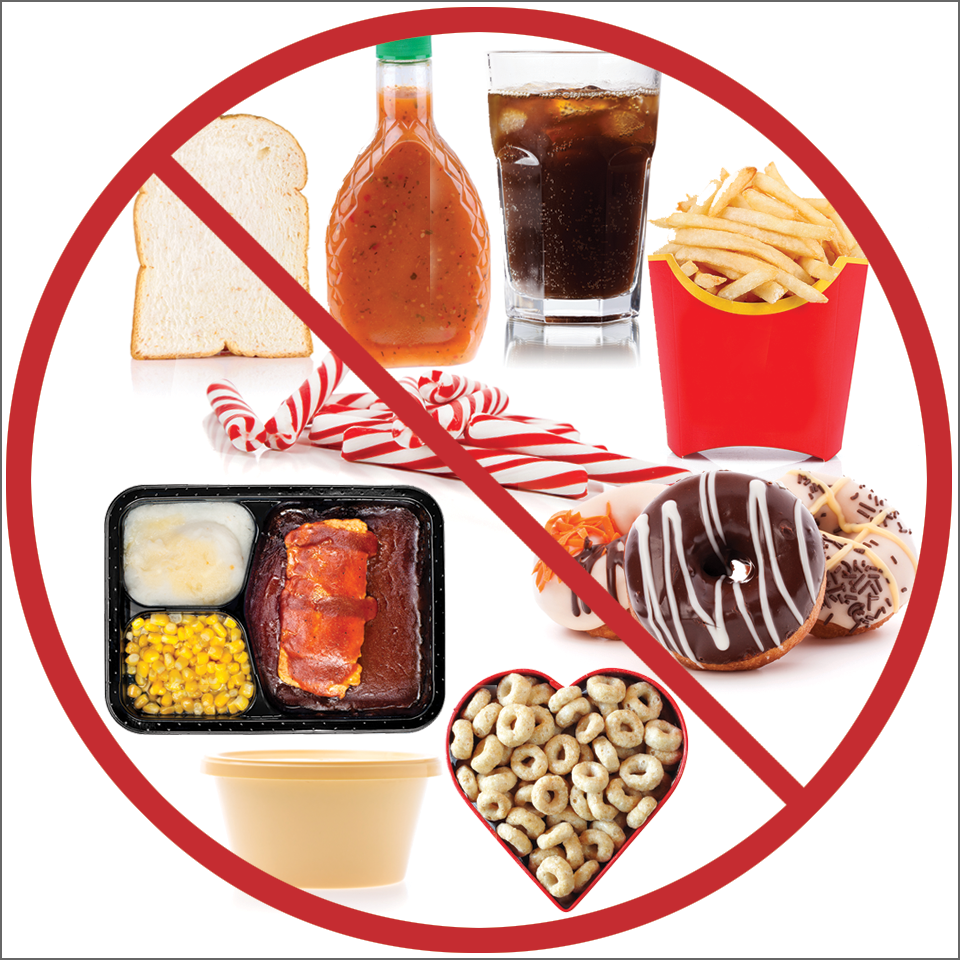
The types of food and beverages consumed, particularly in the hours leading up to a run, can significantly impact digestive comfort. Some items are inherently more challenging for the body to process during physical activity, increasing the risk of cramps.It is advisable to be mindful of the following categories of food and drink, as they have a higher propensity to cause digestive upset when consumed before or during running:
- High-Fat Foods: Foods rich in fat, such as fried items, creamy sauces, and fatty meats, take longer to digest and can slow down gastric emptying, leading to a feeling of heaviness and potential cramping. For instance, a runner consuming a greasy breakfast burrito an hour before a long run might experience significant discomfort.
- High-Fiber Foods: While fiber is essential for overall health, consuming large amounts immediately before a run can lead to increased gas production and bloating. Examples include beans, lentils, and certain raw vegetables like broccoli or cabbage.
- Spicy Foods: Spices can irritate the stomach lining and accelerate intestinal transit time, potentially causing cramping and diarrhea.
- Sugary Foods and Drinks: High concentrations of sugar, especially artificial sweeteners, can draw water into the intestines, leading to bloating and diarrhea. This is particularly relevant for energy gels and sports drinks that are not consumed in moderation or are too concentrated. A runner consuming multiple high-sugar energy gels without adequate water might experience a rapid onset of stomach distress.
- Carbonated Beverages: The gas in fizzy drinks can lead to bloating and discomfort, making them unsuitable before or during exercise.
- Dairy Products: For individuals with lactose intolerance, dairy can cause significant digestive issues, including gas, bloating, and cramps.
Pre-Run Strategies to Prevent Stomach Cramps
Taking proactive steps before you even lace up your running shoes can significantly reduce your chances of experiencing uncomfortable stomach cramps. This section will guide you through essential pre-run strategies, focusing on nutrition, hydration, and physical preparation to ensure a smoother and more enjoyable run.Implementing these strategies can help your digestive system prepare for the demands of running, minimizing the likelihood of disruptions.
By being mindful of what and when you consume, and how you prepare your body physically, you set yourself up for success.
Pre-Run Meal and Snack Recommendations
The foods you consume before a run play a crucial role in digestion and energy availability. The goal is to choose easily digestible options that provide sustained energy without overwhelming your stomach.Here are some recommended pre-run meals and snacks that can help minimize the risk of cramping:
- Oatmeal: A complex carbohydrate that digests slowly, providing sustained energy. Opt for plain oatmeal with a small amount of fruit or a drizzle of honey.
- Banana: An excellent source of potassium, which helps regulate muscle function and can prevent cramps. It’s also easily digestible.
- Toast with Honey or Jam: Simple carbohydrates that offer quick energy. Avoid heavy toppings like butter or peanut butter too close to your run.
- Rice Cakes: Another easily digestible carbohydrate option.
- Energy Gels or Chews: Specifically designed for runners, these provide quick-release carbohydrates. Consume them according to package directions, usually about 30-60 minutes before a run.
- Small Smoothie: A blend of easily digestible fruits like banana or berries with a liquid base such as water or almond milk can be a good option. Avoid dairy if it tends to cause you digestive issues.
Optimal Timing for Eating Before a Run
The timing of your pre-run meal is just as important as its content. Allowing adequate time for digestion prevents food from sloshing around in your stomach during your run, which is a common cause of cramps.The general guideline for a substantial meal is to consume it 2-3 hours before your run. For smaller snacks, 30-60 minutes is usually sufficient.
The longer the duration and intensity of your run, the more time you should allow for digestion before starting.
If you are a very early morning runner, consider having a small, easily digestible snack (like half a banana or a few crackers) about 30 minutes before your run if you feel you need a little fuel. Experimentation is key to finding what works best for your individual digestive system.
Ideal Fluid Intake Strategies
Proper hydration is fundamental for overall bodily function, including muscle performance and digestion. Dehydration can lead to muscle fatigue and increase the likelihood of cramps.Aim to stay consistently hydrated throughout the day, not just immediately before your run. Sip fluids regularly.Here are some ideal fluid intake strategies:
- Daily Hydration: Drink water consistently throughout the day. A general guideline is to aim for at least 8 glasses (64 ounces) of water daily, but this can vary based on activity level, climate, and individual needs.
- Pre-Run Hydration: Drink about 16-20 ounces of water 2-3 hours before your run.
- Immediate Pre-Run Hydration: An additional 8-10 ounces of water about 15-30 minutes before starting your run can be beneficial.
- Electrolyte Balance: For longer or more intense runs, especially in hot weather, consider incorporating electrolyte-rich beverages or foods. Electrolytes like sodium and potassium are lost through sweat and are crucial for muscle function.
Effective Pre-Run Stretching and Warm-Up Routines
While stretching is often associated with flexibility, a proper warm-up routine also prepares your muscles for the exertion of running and can help prevent cramps by increasing blood flow and muscle temperature.A dynamic warm-up is generally more effective than static stretching before a run. Dynamic stretches involve controlled movements that mimic the actions of running.Here are some effective pre-run stretching and warm-up exercises:
- Leg Swings: Stand on one leg and swing the other leg forward and backward, then side to side. Repeat on both sides. This warms up the hip flexors and hamstrings.
- High Knees: March or jog in place, bringing your knees up towards your chest. This engages your hip flexors and core.
- Butt Kicks: Jog in place, bringing your heels up towards your glutes. This stretches the quadriceps.
- Walking Lunges: Take a large step forward, lowering your hips until both knees are bent at approximately a 90-degree angle. Push off the back foot to step forward into the next lunge. This warms up the quadriceps, hamstrings, and glutes.
- Arm Circles: Perform forward and backward arm circles to warm up the upper body and improve circulation.
- Ankle Rotations: Gently rotate your ankles in both directions to prepare the lower leg muscles and joints.
Spend 5-10 minutes on your warm-up routine. The goal is to gradually increase your heart rate and get your blood flowing to your muscles, making them more pliable and less prone to cramping.
During-Run Techniques for Avoiding Discomfort

While preparation is key, managing your run in real-time can significantly reduce or eliminate stomach cramps. This section focuses on actionable strategies you can implement while you’re on the move to keep your digestive system happy and your running performance strong. By paying attention to your breathing, form, pacing, and hydration, you can navigate the challenges of running without the distraction of discomfort.
Breathing Exercises and Techniques
Proper breathing is fundamental to efficient running and plays a crucial role in preventing abdominal cramps. When you breathe shallowly or irregularly, you can restrict blood flow to your abdominal muscles and organs, leading to discomfort. Incorporating specific breathing techniques can help maintain a steady oxygen supply and a relaxed core.
Runners prone to cramps can benefit from the following breathing exercises:
- Diaphragmatic Breathing (Belly Breathing): This technique involves engaging your diaphragm, the primary muscle of respiration, rather than just your chest.
- To practice, place one hand on your chest and the other on your belly.
- Inhale deeply through your nose, feeling your belly expand outward, while keeping your chest relatively still.
- Exhale slowly through your mouth, allowing your belly to fall.
- During a run, consciously focus on taking deeper, fuller breaths that originate from your diaphragm. This promotes relaxation and better oxygenation.
- Rhythmic Breathing: Synchronizing your breaths with your strides can create a consistent rhythm that aids in digestion and reduces strain. A common pattern is the 3:2 rhythm, where you inhale for three strides and exhale for two. Other runners find success with 2:2 or 2:1 rhythms depending on their pace and comfort level. Experiment to find what feels natural and sustainable for you.
- Exhale Forcefully: When you feel a twinge of discomfort, try exhaling more forcefully. This can help expel built-up air and relieve pressure in your abdomen.
Adjusting Running Form and Posture
Your running form and posture have a direct impact on the pressure exerted on your abdominal cavity. Slouching or an overly rigid posture can compress your organs, hindering digestion and potentially leading to cramps. Focusing on an upright, relaxed posture can make a significant difference.
To reduce abdominal strain during your run, consider these adjustments:
- Maintain an Upright Torso: Imagine a string pulling you up from the crown of your head. Keep your shoulders relaxed and down, avoiding hunching. A tall posture allows your diaphragm to move freely and your abdominal organs to function without undue compression.
- Engage Your Core Gently: While a strong core is beneficial, an overly tight or rigid core can restrict breathing and digestion. Aim for a gentle engagement that supports your spine without creating tension. Think of it as a stable platform rather than a rigid shield.
- Relax Your Shoulders and Neck: Tension in your upper body can travel down and affect your abdominal muscles. Consciously relax your shoulders, letting them drop away from your ears, and keep your neck long and free of tension.
- Slight Forward Lean: A slight lean from the ankles, not the waist, can help you maintain momentum and an efficient running posture. Avoid leaning too far forward, which can put excessive pressure on your abdomen.
Pacing and Intensity Management
Pushing too hard, too soon, or at an unsustainable intensity is a common trigger for stomach cramps. Your digestive system requires a certain amount of blood flow to function optimally, and during intense exercise, blood is diverted to your working muscles. Managing your pace and intensity ensures your digestive system receives adequate blood supply.
Strategies for pacing and intensity management to prevent digestive upset include:
- Start Conservatively: Begin your run at an easy, conversational pace. Gradually increase your intensity as your body warms up and your digestive system adjusts. Avoid starting at race pace or pushing hard from the outset.
- Listen to Your Body: Pay close attention to how you feel. If you notice early signs of discomfort, such as a slight tightness in your abdomen, ease your pace. It’s better to slow down and finish your run comfortably than to push through pain and experience a severe cramp.
- Gradual Intensity Increases: If you plan to incorporate speed work or intervals, introduce them gradually. Allow ample recovery time between bursts of high intensity.
- Consider Your Effort Level: Aim for an effort level that allows you to speak in short sentences. If you’re gasping for air, you’re likely running too intensely for your digestive system to keep up.
Fluid Intake During a Run
What, when, and how much you drink during a run can significantly impact your stomach comfort. Drinking too much fluid too quickly, or consuming certain types of beverages, can overwhelm your digestive system.
Comparing different approaches to fluid intake and their impact on stomach comfort:
- Sipping Small Amounts Frequently: Instead of gulping large amounts of fluid, aim to sip small amounts (e.g., 4-6 ounces) every 15-20 minutes. This allows your stomach to process the fluid more efficiently.
- Hydration Timing: Drink proactively rather than waiting until you feel thirsty, as thirst is an indicator that you are already slightly dehydrated. However, avoid drinking large volumes right before or immediately after a hard effort.
- Fluid Choice:
- Water: For runs under 60 minutes, plain water is usually sufficient.
- Electrolyte Drinks: For longer runs (over 60 minutes) or in hot conditions, electrolyte drinks can help replace lost salts and minerals. Opt for those with a moderate carbohydrate concentration (around 6-8%). High concentrations can slow gastric emptying and cause stomach upset.
- Avoid Sugary Drinks and Carbonation: Highly concentrated sugary drinks (like sodas or undiluted fruit juices) and carbonated beverages can ferment in the gut, leading to gas and cramps.
- Temperature of Fluids: Some runners find that cool (not ice-cold) fluids are easier on their stomach than very cold or warm beverages. Experiment to see what works best for you.
“Listen to your gut; it’s trying to tell you something.”
Post-Run Recovery and Prevention
The journey to comfortable and pain-free running doesn’t end when you cross the finish line. What you do in the immediate aftermath of your run significantly impacts your body’s recovery process and plays a crucial role in preventing future stomach cramps. Focusing on proper refueling and gentle movement can help your digestive system settle and prepare for your next outing.Nourishing your body effectively after a run is paramount for muscle repair, glycogen replenishment, and overall recovery.
This process also helps to rehydrate your system and restore electrolyte balance, which are key factors in preventing cramps. By making mindful choices about your post-run nutrition, you can actively reduce the likelihood of experiencing discomfort during future runs.
Post-Run Nutrition for Recovery and Prevention
Replenishing your body’s energy stores and aiding muscle repair are the primary goals of post-run nutrition. Consuming the right combination of carbohydrates and proteins within a specific timeframe can optimize these processes, thereby minimizing the risk of dehydration and electrolyte imbalances that can lead to cramps.Following a run, your body is particularly receptive to nutrient absorption. Aim to consume a meal or snack containing both carbohydrates and protein within 30 to 60 minutes of finishing your run.
This “recovery window” is when your muscles are most efficient at taking up glucose for glycogen replenishment and amino acids for muscle protein synthesis.
Appropriate Post-Run Meals and Snacks
Selecting the right foods after your run can make a significant difference in how your body recovers and how you feel during subsequent runs. A balanced approach that includes easily digestible carbohydrates for energy and lean protein for muscle repair is ideal.Here are some examples of effective post-run meals and snacks:
- Smoothies: A blend of fruit (like bananas or berries for carbohydrates), yogurt or protein powder (for protein), and a liquid base (like water or milk) is a quick and easily digestible option.
- Yogurt with Fruit and Granola: Greek yogurt provides protein, while fruit offers carbohydrates and granola adds a bit more complex carbohydrates and texture.
- Chicken or Turkey Sandwich on Whole Wheat Bread: This offers lean protein and complex carbohydrates, making it a satisfying and nutrient-dense choice.
- Chocolate Milk: Often cited as an excellent recovery drink, it provides a good ratio of carbohydrates to protein and helps with rehydration.
- Oatmeal with Berries and Nuts: A hearty option that combines complex carbohydrates, healthy fats, and some protein.
Benefits of Gentle Cool-Down Exercises and Stretching
While it might be tempting to stop abruptly after your run, a gradual cool-down is essential for your body’s transition back to a resting state. This period allows your heart rate and breathing to return to normal, and it can help prevent muscle soreness and stiffness, which can indirectly contribute to digestive discomfort.Gentle cool-down exercises and stretching aid in flushing out metabolic byproducts that accumulate during exercise, such as lactic acid.
This process can improve blood circulation to the muscles and organs, including the digestive system, promoting better overall recovery.
Cool-Down and Stretching Routines
A structured cool-down routine can significantly enhance your post-run recovery and help prevent future issues. It’s about gently bringing your body back to equilibrium rather than shocking it with an immediate stop.A typical cool-down might include:
- 5-10 minutes of light cardio: This could be a slow jog or brisk walk to gradually lower your heart rate.
- Static stretching: Holding stretches for major muscle groups used during running, such as hamstrings, quadriceps, calves, and hip flexors. Each stretch should be held for 20-30 seconds.
- Dynamic stretching (optional, if not done pre-run): Gentle movements like leg swings or arm circles can further aid in circulation.
It is important to perform stretches when your muscles are warm, making the post-run period an ideal time for static stretching.
Common Post-Run Habits Contributing to Digestive Discomfort
Certain habits adopted immediately after running can inadvertently exacerbate or even cause digestive issues, including stomach cramps. Understanding these common pitfalls can help you make adjustments to your routine for a more comfortable recovery.The rapid shift from intense physical activity to rest, coupled with certain dietary choices, can disrupt the digestive process. For instance, consuming heavy or fatty foods too soon after a run can slow down digestion, and inadequate rehydration can lead to concentrated stomach acids.
Habits to Reconsider for Digestive Comfort
Being mindful of your immediate post-run actions can prevent many common digestive complaints. Here are some habits that might contribute to discomfort:
- Consuming large, heavy meals immediately after running: Your digestive system is still recovering and may not be ready for a substantial load.
- Drinking sugary beverages or highly caffeinated drinks: These can sometimes irritate the stomach lining or lead to dehydration.
- Ignoring the need for rehydration: Dehydration is a significant factor in muscle cramps, including those in the stomach.
- Skipping the cool-down and stretching: Abruptly stopping can lead to physiological stress that may manifest as digestive upset.
- Eating processed or high-fiber foods too soon: While generally healthy, these can be harder to digest immediately after strenuous activity for some individuals.
Addressing Persistent or Severe Stomach Cramps

While many stomach cramps during running can be managed with the strategies discussed, it’s crucial to recognize when these issues may signal something more significant. Persistent or severe stomach pain warrants a closer look and potentially professional medical guidance to ensure your well-being and continued enjoyment of running. Ignoring persistent discomfort could lead to more serious health complications.When experiencing recurring or intense stomach cramps, it is advisable to consult a healthcare professional.
This is particularly important if the pain is severe, doesn’t improve with self-care measures, or is accompanied by other concerning symptoms. A doctor can help differentiate between common running-related discomfort and potential underlying medical conditions.
When to Seek Professional Medical Advice
Runners should consider seeking medical attention for stomach cramps under the following circumstances:
- Pain that is severe, sharp, or debilitating.
- Cramps that persist long after your run has ended.
- Pain that interferes significantly with your daily activities.
- The presence of other symptoms such as fever, nausea, vomiting, diarrhea, blood in stool, or unexplained weight loss.
- Cramps that have a sudden onset and are unusually intense.
- A noticeable change in bowel habits accompanying the pain.
Potential Underlying Medical Conditions
Several medical conditions, unrelated to the immediate act of running but potentially exacerbated by it, can manifest as stomach pain during or after exercise. Identifying these is key to proper diagnosis and treatment.
- Gastrointestinal Disorders: Conditions like Irritable Bowel Syndrome (IBS), inflammatory bowel disease (IBD) such as Crohn’s disease or ulcerative colitis, and gastritis can cause abdominal pain that might be triggered or worsened by the physical stress of running.
- Hernias: An inguinal or abdominal hernia can cause pain, especially with increased abdominal pressure from physical exertion.
- Gallstones or Kidney Stones: While not directly related to running mechanics, the jarring motion of running can sometimes aggravate pain associated with these conditions.
- Endometriosis (in women): This condition can cause pelvic pain that may be felt as abdominal cramping and can be influenced by physical activity.
- Food Intolerances or Allergies: Undiagnosed intolerances to certain foods, particularly those consumed before a run, can lead to digestive distress.
- Stress and Anxiety: The mind-gut connection is strong, and high levels of stress or anxiety can manifest as physical symptoms, including stomach cramps.
Alternative Training Adjustments for Chronic Issues
For runners dealing with persistent stomach cramps, modifying training can be a vital step in managing symptoms while still maintaining fitness. These adjustments focus on reducing the load on the digestive system and allowing the body to recover.
- Gradual Progression: Instead of rapid increases in mileage or intensity, focus on a slower, more consistent build-up. This allows your digestive system time to adapt.
- Cross-Training: Incorporate low-impact activities like swimming, cycling, or yoga. These can maintain cardiovascular fitness without the same level of digestive stress.
- Reduced Intensity: During periods of frequent cramping, consider reducing the intensity of your runs. Slower paces can often alleviate digestive upset.
- Listen to Your Body: This is paramount. If you feel discomfort starting, it’s often better to slow down or stop than to push through and worsen the cramp.
- Warm-up and Cool-down: Ensure thorough warm-ups to prepare your body for exercise and gentle cool-downs to aid recovery.
- Hydration and Electrolyte Balance: Work with a healthcare professional or a registered dietitian to fine-tune your hydration and electrolyte intake, as imbalances can contribute to cramps.
Symptom and Trigger Tracking Guide
A systematic approach to tracking your symptoms can be incredibly beneficial in identifying patterns and potential triggers for your stomach cramps. This data can be invaluable when discussing your concerns with a medical professional.
To effectively track your symptoms, consider using a journal or a dedicated app. The key is to record consistent information before, during, and after your runs.
What to Track:
- Date and Time of Run: Note the specific date and time you started and finished your run.
- Duration and Distance: Record the length of your run in time and/or distance.
- Intensity: Rate your perceived exertion on a scale (e.g., 1-10) or note your average pace.
- Pre-Run Meal/Snack: Detail everything you ate and drank in the 2-3 hours before your run, including portion sizes and exact times.
- During-Run Hydration/Fueling: Record any fluids or fuel you consumed during the run, including type, amount, and timing.
- Stomach Cramp Details:
- Onset: When did the cramp start (e.g., during mile 3, after a gel)?
- Location: Where was the pain felt (e.g., upper abdomen, lower left side)?
- Severity: Rate the pain on a scale (e.g., 1-10).
- Type of Pain: Describe the sensation (e.g., sharp, dull, gnawing, gas-like).
- Duration: How long did the cramp last?
- Relief Measures: What did you do to try and alleviate the pain (e.g., slowed down, stopped, massaged abdomen)? Did it help?
- Post-Run Symptoms: Note any lingering stomach discomfort, bloating, or digestive issues after your run.
- Other Factors: Include any other relevant information, such as stress levels, sleep quality, or menstrual cycle phase (for women).
By consistently documenting this information, you can begin to identify patterns. For instance, you might notice that cramps consistently occur after consuming a specific food before a run, or during longer, more intense efforts. This detailed record will empower you and your healthcare provider to make informed decisions about managing your running and addressing any underlying issues.
Last Point

In summary, mastering the art of avoiding stomach cramps while running involves a holistic approach, encompassing mindful pre-run preparation, strategic during-run techniques, and thoughtful post-run recovery. By implementing these practical strategies, you can significantly reduce the likelihood of discomfort, allowing you to push your limits and savor every stride with confidence and ease.