Embarking on winter runs offers a unique and invigorating experience, transforming familiar landscapes into serene, snowy vistas. However, conquering the cold requires more than just determination; it demands the right equipment. This guide will equip you with the knowledge to select the optimal gear, ensuring your comfort, safety, and enjoyment as you embrace the chill.
Understanding the fundamental principles of layering is paramount, from moisture-wicking base layers that keep you dry to insulating mid-layers that retain vital body heat, and finally, protective outer layers that shield you from the elements. We will delve into the specifics of each layer, explore the best materials and designs, and discuss essential accessories and footwear tailored for snowy and icy conditions, ensuring you are well-prepared for every winter adventure.
Understanding the Core Needs of Winter Running Apparel
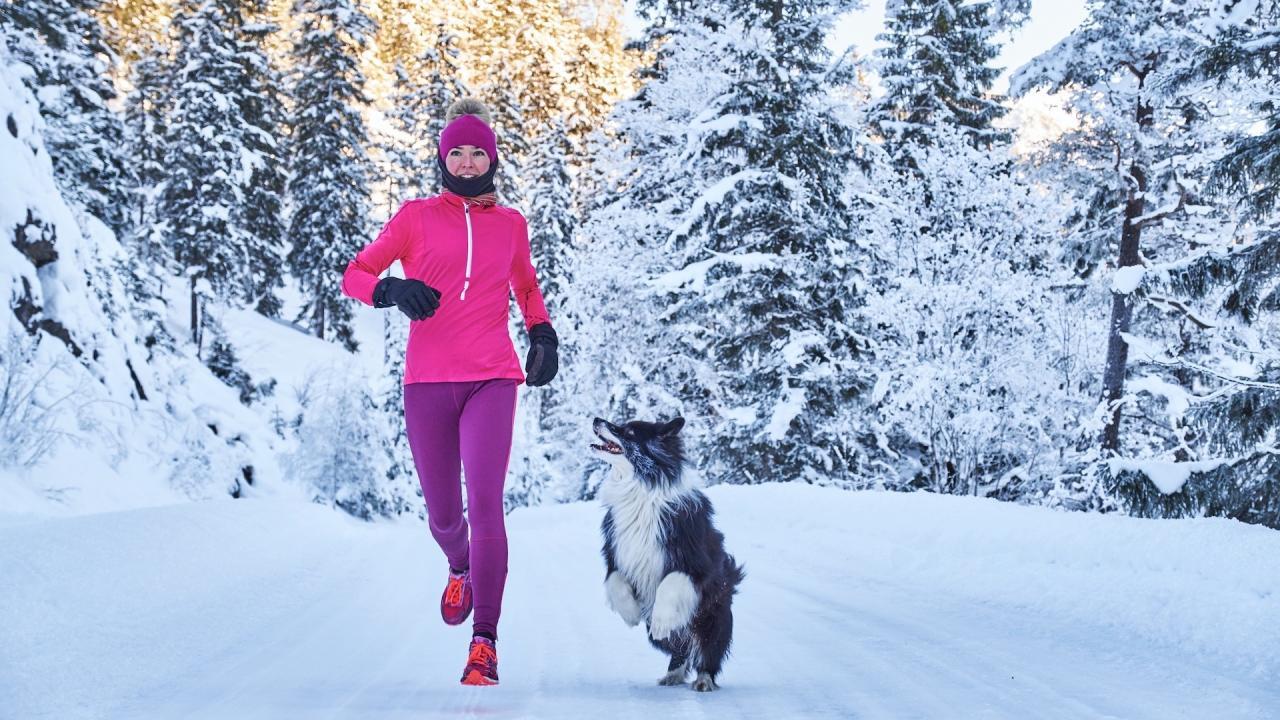
Choosing the right gear for winter running is paramount to ensuring your safety, comfort, and enjoyment during colder months. The fundamental principles revolve around managing your body’s temperature and staying dry, even when the weather is challenging. This involves a strategic approach to clothing, focusing on how different layers interact to protect you from the elements.The core of winter running apparel lies in its ability to adapt to varying conditions and your body’s heat output.
This is achieved through a well-thought-out layering system. Each layer serves a specific purpose, working in synergy to keep you warm, dry, and comfortable, allowing you to focus on your run rather than battling the cold.
The Principles of Layering for Cold-Weather Outdoor Activity
Layering is a time-tested method for regulating body temperature during outdoor activities in cold weather. It involves wearing multiple, thinner garments rather than one thick one, which offers superior adaptability to changing temperatures and activity levels. The goal is to trap insulating air pockets between layers while allowing moisture to escape.The effectiveness of layering can be broken down into three primary categories, each addressing a crucial aspect of thermal regulation and protection:
- Base Layer: This is the layer closest to your skin, responsible for managing sweat.
- Mid Layer: Positioned over the base layer, this layer provides insulation to trap body heat.
- Outer Layer: The outermost layer, designed to shield you from wind, rain, and snow.
By understanding and implementing these three core layers, runners can significantly enhance their comfort and performance in winter conditions.
Moisture-Wicking Base Layers for Maintaining Comfort
The base layer is arguably the most critical component of a winter running outfit. Its primary function is to draw moisture, primarily sweat, away from your skin and transfer it to the outer layers where it can evaporate. If sweat is allowed to remain against your skin, it will cool down rapidly, leading to a chilling effect that can quickly make you uncomfortable and even lead to hypothermia.Materials for base layers are specifically chosen for their moisture-wicking properties.
Synthetic fabrics like polyester and nylon are excellent choices as they are hydrophobic, meaning they repel water. They transport sweat efficiently through capillary action. Merino wool is another superb option, offering natural moisture-wicking capabilities along with odor resistance and excellent insulation even when damp. Cotton, on the other hand, is highly absorbent and should be avoided as it holds moisture against the skin, negating the benefits of other layers.
“The base layer is your first line of defense against the chill, ensuring your body’s natural warmth is not compromised by trapped moisture.”
A well-fitting base layer should be snug but not restrictive, allowing for maximum contact with the skin to facilitate efficient moisture transfer.
Insulating Mid-Layers for Retaining Body Heat
The mid-layer is the workhorse of your winter running ensemble, providing the essential insulation needed to keep your body heat contained. Its thickness and material will vary depending on the ambient temperature and your personal metabolic rate. The goal is to create a warm air pocket close to your body without becoming overheated, which would lead to excessive sweating and compromise the effectiveness of your base layer.Fleece is a popular and effective material for mid-layers due to its excellent warmth-to-weight ratio and its ability to retain insulating properties even when slightly damp.
Technical synthetic insulations, such as those found in some vests or lightweight jackets, also perform admirably. For extremely cold conditions, a thicker fleece or a down-filled vest might be appropriate, though it’s important to consider breathability to avoid overheating during strenuous activity.
“The mid-layer acts as your personal furnace, trapping the heat your body generates to maintain a comfortable core temperature.”
The key is to choose a mid-layer that offers sufficient warmth for the conditions but also allows for some breathability. If you find yourself getting too warm, you should be able to shed this layer without immediately becoming too cold.
Protective Outer Layers Against Wind and Precipitation
The outer layer, or shell, is your shield against the harsh elements. Its primary purpose is to block wind and repel precipitation such as rain, sleet, and snow. A windproof and waterproof or water-resistant outer layer is crucial for preventing wind chill, which can drastically lower your perceived temperature, and for keeping you dry from external moisture.Modern outer layers often incorporate breathable membranes, such as Gore-Tex or similar technologies.
These membranes allow water vapor (sweat) from your inner layers to escape while preventing liquid water (rain, snow) from penetrating from the outside. This balance of protection and breathability is vital for preventing the “boil-in-the-bag” effect that can occur with non-breathable shells.When selecting an outer layer, consider the type of precipitation you are most likely to encounter. For light rain or snow, a water-resistant jacket might suffice.
For heavier or more persistent precipitation, a fully waterproof jacket is recommended. Features like adjustable hoods, sealed seams, and storm flaps around zippers further enhance the protective capabilities of your outer layer.
“The outer layer is your ultimate defense, ensuring that wind and water do not penetrate your carefully constructed thermal system.”
Selecting the Right Base Layers
The base layer is the foundation of your winter running wardrobe, acting as the first line of defense against the cold and moisture. Its primary role is to wick sweat away from your skin, keeping you dry and preventing the chilling effect that can occur when moisture evaporates. Choosing the right material and weight is crucial for comfort and performance in varying winter conditions.Understanding the different materials available will help you make an informed decision based on your personal preferences and the expected weather.
Base Layer Materials Comparison
The choice of material significantly impacts how your base layer performs. Each has distinct advantages and disadvantages for winter running.
-
Merino Wool:
- Pros: Excellent temperature regulation, naturally odor-resistant, soft against the skin, retains warmth even when wet.
- Cons: Can be more expensive, may take longer to dry than synthetics, some individuals may find it itchy if not a fine knit.
- Synthetics (e.g., Polyester, Nylon):
- Pros: Highly durable, excellent moisture-wicking capabilities, dries very quickly, generally more affordable than merino wool.
- Cons: Can retain odors over time, may not offer the same level of natural insulation as wool when damp.
- Cotton:
- Pros: Soft and comfortable for casual wear, inexpensive.
- Cons: Absorbs moisture and holds it against the skin, leading to rapid cooling and discomfort. Not recommended for active winter sports.
Base Layer Weights
Base layers come in various weights, each suited for different temperature ranges and activity levels. Selecting the appropriate weight ensures you are neither too hot nor too cold.
- Lightweight: Ideal for milder winter days (above 30°F or -1°C) or for high-intensity running where your body generates significant heat. They offer basic warmth and excellent breathability.
- Midweight: A versatile option for a wide range of winter temperatures (around 20°F to 30°F or -7°C to -1°C). They provide a good balance of warmth and moisture management.
- Heavyweight: Best for very cold conditions (below 20°F or -7°C) or for lower-intensity activities. These offer maximum insulation but can be too warm for vigorous exercise in less extreme cold.
Key Base Layer Features
Beyond the material and weight, several design features enhance the comfort and functionality of a base layer for winter running.
- Flatlock Seams: These seams lie flat against the skin, significantly reducing the risk of chafing and irritation, especially during repetitive motion like running.
- Thumbholes: Integrated loops in the sleeves that allow you to pull the sleeves down over your hands. This provides extra warmth for your hands and wrists without needing separate gloves in milder conditions or as an added layer.
- Crew Neck or Mock Neck: A mock neck can offer a bit more warmth for the neck area compared to a standard crew neck, without the restriction of a full turtleneck.
- Raglan Sleeves: These sleeves have seams that run from the underarm to the collar, allowing for a greater range of motion and reducing pressure points under a backpack or vest.
Sample Base Layer Outfit for a 20°F (-7°C) Running Day
For a running day at 20°F (-7°C), a well-chosen base layer outfit is essential for staying comfortable and dry. This temperature requires a good balance of warmth and moisture management.A suitable base layer outfit for 20°F (-7°C) would consist of:
- Top: A midweight merino wool or synthetic long-sleeve base layer. This provides adequate insulation for the cold and efficiently wicks away sweat. Look for features like flatlock seams and thumbholes for added comfort.
- Bottoms: A midweight synthetic or merino wool base layer leggings or tights. These will keep your legs warm and dry, preventing the discomfort of cold, damp muscles.
This combination focuses on trapping body heat while allowing perspiration to escape, ensuring you remain comfortable throughout your run.
Choosing Effective Mid-Layers
The mid-layer is a crucial component of your winter running wardrobe, acting as the primary insulator to keep you warm. Its role is to trap body heat generated during your run, providing a cozy barrier against the cold without making you overheat or feel restricted. A well-chosen mid-layer strikes a balance between warmth and breathability, ensuring comfort across a range of winter conditions and running intensities.The effectiveness of a mid-layer hinges on its ability to provide ample insulation relative to its weight.
This is where the choice of insulating material becomes paramount. Different materials offer varying degrees of warmth, compressibility, and moisture-wicking capabilities, each suited to different preferences and running styles. Understanding these differences will help you select a mid-layer that performs optimally for your needs.
Insulating Materials for Mid-Layers
Several types of insulating materials are commonly used in winter running mid-layers, each with distinct properties. Fleece, a synthetic knit fabric, is popular for its excellent warmth-to-weight ratio, softness, and breathability. It retains its insulating properties even when damp, making it a reliable choice for active pursuits. Down insulation, derived from the soft undercoating of geese or ducks, offers exceptional warmth and compressibility, making it very lightweight for the heat it provides.
However, down loses its insulating power when wet and takes a long time to dry. Synthetic fills, such as polyester fibers, are designed to mimic the loft and warmth of down but are more resistant to moisture and dry much faster. This makes synthetic fills a versatile option for variable winter conditions.
Assessing Warmth-to-Weight Ratio
The warmth-to-weight ratio is a key metric for evaluating mid-layers. It quantifies how much warmth a material provides for a given amount of weight. Generally, a higher warmth-to-weight ratio indicates a more efficient insulator, meaning you get more warmth with less bulk. For winter running, where freedom of movement is essential, a high warmth-to-weight ratio is highly desirable. This allows you to stay warm without feeling weighed down or restricted.
Materials like high-loft fleece or premium down typically excel in this regard. When comparing different mid-layers, consider the stated fill power for down (higher numbers indicate better loft and warmth) or the fabric weight and construction for fleece and synthetics.
Recommended Mid-Layer Styles for Winter Running Intensities
The optimal mid-layer style will vary depending on the intensity of your winter runs. For high-intensity efforts, where your body generates significant heat, a lighter-weight, highly breathable mid-layer is ideal. For lower-intensity or longer runs in colder temperatures, a warmer, more substantial mid-layer will be necessary.Here are some recommended mid-layer styles categorized by running intensity:
- Low-Intensity/Very Cold Conditions: A thicker fleece jacket or a synthetic-fill vest. These offer substantial warmth without excessive bulk and are forgiving if you perspire. Look for fleece with a brushed interior for enhanced comfort and warmth. A synthetic vest can be excellent for core warmth while allowing arms to remain free for ventilation.
- Moderate-Intensity/Cool to Cold Conditions: A mid-weight fleece pullover or a lightweight synthetic-fill jacket. These provide a good balance of warmth and breathability. A zippered front on a pullover can offer adjustable ventilation. A lightweight synthetic jacket is versatile and can be easily layered or shed.
- High-Intensity/Mildly Cold Conditions: A lightweight fleece or a performance synthetic-knit top. These prioritize breathability and moisture management to prevent overheating during strenuous efforts. Look for features like thumbholes to keep sleeves in place and reflective elements for visibility. These often have a very open knit or a grid fleece construction.
The Significance of Outer Layers (Shells)

The outer layer, often referred to as the shell, is your final line of defense against the harsh winter elements. Its primary role is to shield you from wind and precipitation, ensuring that the warmth generated by your inner layers is not lost and that you remain dry and comfortable. Without an effective outer shell, even the best mid-layers can become ineffective in challenging winter conditions.An effective outer shell acts as a barrier, preventing cold winds from penetrating your clothing and chilling your body.
This is crucial for maintaining core body temperature and preventing hypothermia. Equally important is its ability to repel water, whether it’s rain, sleet, or snow. Staying dry is paramount for comfort and performance during winter runs.
The Critical Functions of a Windproof and Waterproof/Water-Resistant Outer Layer
A windproof outer layer is essential because wind can significantly increase heat loss from your body through a process called convective heat loss. Even on a moderately cold day, a strong wind can make it feel much colder, a phenomenon known as wind chill. By blocking the wind, a windproof shell helps maintain a stable microclimate around your body, preserving warmth.Waterproof or water-resistant properties are equally vital.
While waterproof materials offer the highest level of protection against heavy rain and snow, water-resistant materials provide good protection against lighter precipitation and splashes. The choice between the two often depends on the typical winter weather conditions you anticipate. For runners in areas with frequent heavy rain or wet snow, fully waterproof garments are preferable. In drier, colder climates, water-resistant options might suffice and often offer better breathability.
The Concept of Breathability in Outer Shells and Its Impact on Comfort
Breathability refers to a fabric’s ability to allow water vapor (sweat) to escape from the inside of the garment to the outside. During strenuous activity like running, your body generates a significant amount of heat and moisture. If this moisture cannot escape through your outer layer, it will accumulate inside your clothing, making you feel clammy and cold, even if the outer shell is effectively blocking external elements.A breathable outer shell works in conjunction with your base and mid-layers to create a system that manages moisture.
It allows perspiration to move away from your skin, preventing overheating and maintaining a more comfortable internal environment. This is often achieved through specialized membranes or coatings within the fabric that have microscopic pores. These pores are small enough to prevent liquid water (like rain) from entering but large enough to allow water vapor (sweat) to escape. The impact on comfort is profound, reducing the risk of getting chilled from sweat and improving overall running experience.
Factors to Consider When Choosing an Outer Layer
When selecting an outer shell for winter running, several key factors should guide your decision to ensure optimal performance and comfort.Consider the intended use and the typical weather conditions you will encounter. For extreme cold and wet conditions, prioritize waterproofness and windproofness. For milder, drier winter days, breathability and lighter weight might be more important.Ventilation is a critical feature that allows you to regulate your body temperature during your run.
- Pit Zips: These are zippered openings located under the arms, allowing for quick and easy ventilation during intense efforts.
- Front Zippers: A full-length front zipper can be partially opened to increase airflow. Some zippers also feature a storm flap to prevent wind and water entry.
- Mesh Panels: Strategically placed mesh panels, often in the underarms or back, can enhance breathability and airflow.
The fit of the outer shell is also important. It should be roomy enough to accommodate your base and mid-layers without being excessively baggy, which can create drag and reduce insulation. Adjustable cuffs and hem allow for a more personalized fit and help seal out drafts.
Comparison of Different Types of Outer Shells for Winter Running
The choice between different types of outer shells often comes down to a balance between protection, breathability, and weight. Here is a comparison to help you decide:
| Type of Outer Shell | Description | Pros | Cons | Best For |
|---|---|---|---|---|
| Hardshells | These are typically constructed with a waterproof and breathable membrane (like Gore-Tex) laminated between an outer face fabric and an inner lining. They offer the highest level of protection against wind and water. | Excellent waterproofness and windproofness; durable. | Can be less breathable than softshells; can be noisy; generally more expensive. | Very wet or windy conditions; prolonged exposure to the elements. |
| Softshells | Softshells are made from more flexible, often stretchable fabrics that are typically treated with a durable water repellent (DWR) finish and are highly wind-resistant. They prioritize breathability and comfort over absolute waterproofness. | Highly breathable; comfortable and flexible; quieter than hardshells; often more affordable. | Less waterproof than hardshells; may not withstand prolonged heavy rain or snow. | Cold, dry, or moderately wet conditions; high-intensity running where breathability is paramount. |
| Hybrid Shells | These combine features of both hardshells and softshells, using different materials in different zones of the garment. For example, waterproof panels might be used in high-exposure areas, while more breathable softshell fabric is used in areas prone to அதிக sweating. | Offers a balance of protection and breathability; versatile. | Can be more complex in construction; performance varies depending on the specific design. | Variable winter conditions; runners seeking a versatile solution. |
Essential Winter Running Accessories
Beyond apparel, certain accessories are crucial for maintaining comfort and safety during winter runs. These items are designed to protect your extremities from the cold, wind, and moisture, ensuring you can focus on your performance and enjoyment. Neglecting these small but vital pieces of gear can lead to discomfort, reduced circulation, and an increased risk of cold-related injuries.The core principle behind essential winter running accessories is to shield the body’s most vulnerable areas from the elements.
These include your head, hands, and feet, which are prone to rapid heat loss and can be susceptible to frostnip or frostbite in extreme conditions. Properly chosen accessories not only provide warmth but also manage moisture effectively, preventing the chilling effect of sweat.
Headwear for Winter Runs
Protecting your head is paramount as a significant amount of body heat can be lost through an uncovered scalp. The type of headwear you choose should align with the ambient temperature and your personal comfort level.Consider these options for head protection:
- Winter Running Hats: These are typically made from insulating materials like fleece or merino wool. They offer full coverage and are ideal for colder temperatures, generally below freezing (0°C or 32°F). Look for hats with a snug fit to prevent them from shifting during your run. Some may also feature ear flaps for added warmth.
- Headbands: For milder winter days or for runners who tend to overheat, headbands are an excellent choice. They cover the ears and forehead, providing essential warmth without overheating the entire head. Materials like softshell or fleece blends are common. These are suitable for temperatures closer to freezing or slightly above.
- Balaclavas: In very cold or windy conditions, a balaclava offers comprehensive protection for the head, face, and neck. Many are designed with breathable panels for the mouth and nose to facilitate easier breathing.
Gloves and Mittens for Warmth and Dexterity
Your hands are also highly susceptible to cold, which can impair dexterity and make it difficult to operate devices or even grip poles. The choice between gloves and mittens often comes down to a balance between warmth and the need for finger movement.Explore these choices for hand protection:
- Running Gloves: These are designed to keep your fingers warm while allowing for a good range of motion. Look for insulated, windproof, and water-resistant materials. Many feature touch-screen compatibility for phones and GPS devices. For very cold conditions, consider insulated gloves with a fleece lining.
- Mittens: Mittens generally offer superior warmth compared to gloves because they keep your fingers together, allowing them to share warmth. They are ideal for extremely cold weather, typically well below freezing. Some mittens are designed with a separate index finger slot to offer a bit more dexterity without sacrificing significant warmth.
- Glove Liners: For an extra layer of warmth, consider wearing thin liner gloves underneath your main gloves or mittens. These can be made of silk, thin fleece, or synthetic materials.
Specialized Winter Running Socks
Foot comfort and warmth are critical for preventing blisters and maintaining circulation. Winter running socks are engineered with specific features to handle the demands of cold-weather running.Key features to look for in winter running socks include:
- Material: Opt for socks made from moisture-wicking synthetic blends (like polyester or nylon) or natural fibers such as merino wool. These materials excel at drawing sweat away from the skin, preventing the chilling effect that occurs when feet become damp. Avoid cotton, as it retains moisture and loses its insulating properties when wet.
- Cushioning: Adequate cushioning in key areas like the heel and ball of the foot can enhance comfort and provide an extra layer of insulation. The level of cushioning you prefer is a personal choice, but more cushioning generally offers more warmth.
- Height: Consider the height of the sock. Mid-calf or higher socks can help prevent snow from entering your footwear, especially when paired with gaiters.
- Fit: A snug, non-bunching fit is essential to prevent friction and potential blisters.
The Role of Gaiters
Gaiters serve a practical purpose in winter running by creating a barrier between your footwear and the elements. They are particularly useful when running in snowy or muddy conditions.The primary functions of gaiters are:
- Snow and Debris Protection: Gaiters wrap around the ankle and the top of your running shoes, effectively preventing snow, mud, and small stones from entering your footwear. This keeps your feet drier and cleaner, enhancing overall comfort and reducing the risk of irritation.
- Enhanced Warmth: By sealing the gap between your pants and shoes, gaiters can provide an additional layer of insulation around your ankles, helping to retain warmth.
- Water Resistance: Many gaiters are made from water-resistant or waterproof materials, offering protection against splashes and light rain.
Footwear for Snowy and Icy Conditions
![Best Winter Running Gear In 2022 [Buying Guide] – Gear Hungry](https://langkahbijak.web.id/wp-content/uploads/2025/09/The-Best-Winter-Running-Gear-header.jpg "Best Winter Running Gear In 2022 [Buying Guide] – Gear Hungry")
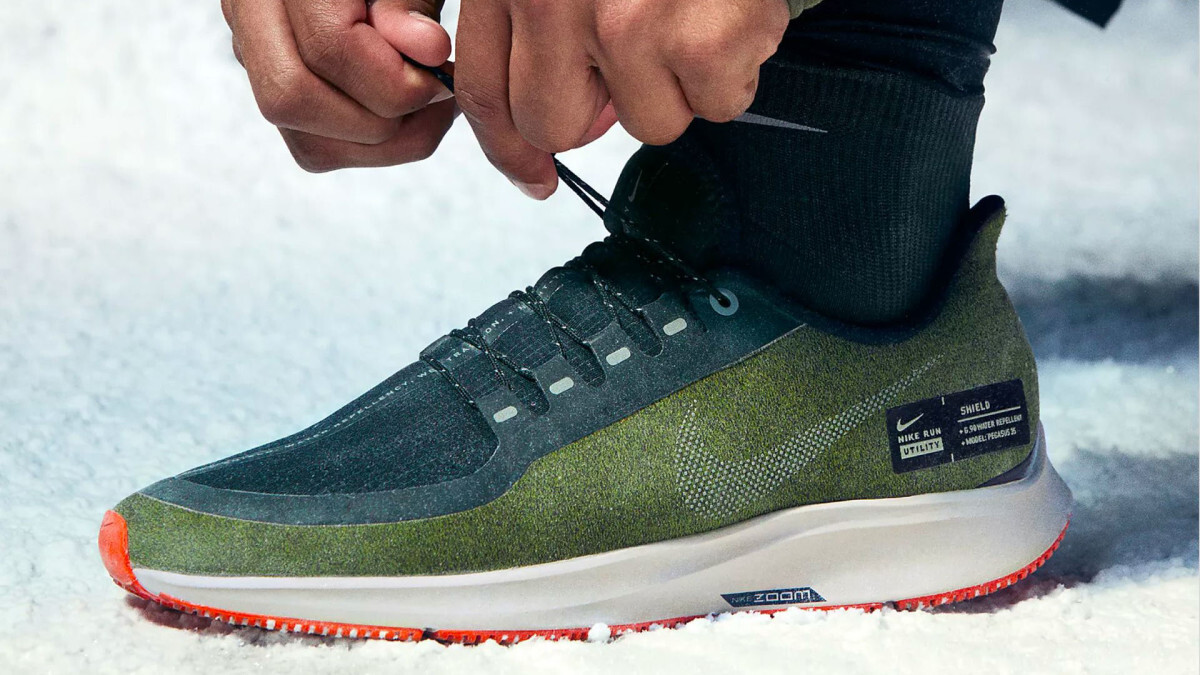
Choosing the right footwear is paramount for safe and enjoyable winter running, especially when facing snow and ice. Your feet are your primary point of contact with the ground, and inadequate shoes can lead to slips, falls, and discomfort. Winter running shoes are engineered with specific features to tackle these challenging conditions, differentiating them significantly from their all-season counterparts.Regular running shoes are typically designed for dry or wet pavement, offering cushioning and breathability.
However, they often lack the aggressive tread patterns and protective features needed for snow and ice. Winter-specific running shoes, on the other hand, are built to provide superior grip, insulation, and protection against the elements.
Waterproof and Water-Resistant Benefits
The benefits of waterproof or water-resistant running shoes for winter use are substantial. Keeping your feet dry is crucial for maintaining warmth and preventing issues like blisters and frostbite. Water-resistant shoes offer a good balance, allowing some breathability while repelling light moisture. Fully waterproof shoes, often featuring Gore-Tex or similar membranes, provide the highest level of protection against snowmelt and slush, ensuring your feet remain dry even during longer runs in wet conditions.
This dryness contributes significantly to overall comfort and performance, allowing you to focus on your run rather than the discomfort of wet socks.
Traction and Grip on Icy Surfaces
The importance of traction and grip on icy surfaces cannot be overstated. Without adequate grip, even the most experienced runner is susceptible to dangerous slips and falls. Winter running shoes often feature deeper lugs and specialized rubber compounds designed to bite into snow and ice, providing the necessary stability and control. This enhanced traction allows for a more confident stride, reducing the risk of injury and enabling you to maintain a consistent pace.
Integrated and Attachable Traction Devices
The advantages of shoes with integrated or attachable traction devices are significant for runners frequently encountering icy terrain. Many winter running shoes come with built-in studs or aggressive outsoles for excellent grip. For less extreme conditions or for added security, attachable traction devices, commonly known as microspikes or ice cleats, can be a game-changer. These devices strap onto your existing running shoes, providing numerous metal points that dig into ice and hard-packed snow.
They offer a versatile solution, allowing you to adapt your footwear to rapidly changing trail conditions. For instance, a runner might use a shoe with integrated traction for a run that starts on clear pavement and transitions to icy trails, without needing to carry separate footwear.
Considerations for Winter Trail Footwear
When choosing footwear for different winter trail conditions, several factors warrant careful consideration to ensure safety and optimal performance. These include the type of terrain, expected weather, and the duration of your run.Here is a list of considerations when selecting winter trail running shoes:
- Tread Pattern: Look for aggressive, widely spaced lugs that can shed snow and provide maximum bite on slippery surfaces.
- Sole Material: Softer rubber compounds generally offer better grip in cold temperatures compared to harder ones.
- Waterproofing/Resistance: Assess the typical moisture levels you’ll encounter. For deep snow or slush, full waterproofing is recommended. For drier, colder conditions, water resistance might suffice.
- Insulation: Consider if you need insulated shoes for extreme cold. Some winter shoes offer a thermal lining to keep your feet warm.
- Fit and Comfort: Ensure a snug but comfortable fit, allowing for thicker winter socks without compromising circulation.
- Durability: Winter conditions can be harsh on footwear. Choose shoes made with robust materials that can withstand the elements.
- Ankle Support: For very uneven or deep snow conditions, shoes with slightly higher ankle support can offer added stability and protection against snow ingress.
- Reflectivity: Many winter running shoes incorporate reflective elements, which are crucial for visibility during early morning or late evening runs in low-light conditions.
Visibility and Safety Gear for Winter Runs
As daylight hours shrink and weather conditions can rapidly deteriorate during winter, prioritizing visibility and safety becomes paramount for any runner. Being seen by others, especially motorists, cyclists, and even other pedestrians, is not just a matter of convenience but a critical safety measure to prevent accidents. This section will delve into the essential gear that enhances your visibility and ensures a safer winter running experience.The combination of early sunrises, late sunsets, and often overcast skies means that many winter runs occur in low-light conditions.
This is precisely why reflective elements and brightly colored apparel are non-negotiable. They act as passive safety features, reflecting light from external sources back to the source, making you significantly more noticeable.
Enhancing Visibility with Reflective Elements and Bright Colors
Reflective materials are designed to bounce light back towards its source, making you appear much brighter to anyone shining a light in your direction. This is incredibly effective during dawn, dusk, and nighttime runs. Bright colors, particularly fluorescent shades, are also crucial as they are inherently more visible in daylight and under artificial lighting than darker hues.When selecting winter running apparel, look for garments that prominently feature reflective strips or panels.
These are often strategically placed on the arms, legs, and torso. Many brands now integrate reflective detailing seamlessly into their designs. Similarly, opt for tops and bottoms in vibrant colors like neon yellow, orange, or pink.
Effective Visibility Aids for Winter Runners
A range of specialized gear can significantly boost your visibility during winter runs. These aids are designed to be worn in conjunction with your regular running attire.
- Reflective Vests: These lightweight vests are worn over your running jacket and are typically made with a fluorescent base and extensive reflective detailing. They offer a broad surface area for visibility.
- Reflective Armbands and Ankle Bands: These are a more minimalist option, providing focused reflectivity on extremities, which are often in motion and thus more noticeable.
- Reflective Stickers or Tape: For a customizable approach, you can purchase reflective tape that can be applied to existing gear, such as backpacks, shoes, or even helmets.
- Clip-on Reflectors: Small, lightweight reflectors can be clipped onto clothing, bags, or hats, offering an easy and portable way to increase your visibility.
Portable Lighting Solutions
While passive reflectivity is essential, active lighting provides a proactive way to illuminate your path and ensure you are seen by others, especially in complete darkness or poor visibility conditions.
- Headlamps: A good quality running headlamp is arguably the most important piece of active safety gear for winter running. It illuminates the path ahead, helping you avoid obstacles like potholes, ice patches, or uneven terrain. Look for headlamps with adjustable brightness settings, a comfortable and secure fit, and a long battery life. Many modern headlamps also feature a red light option, which can be less intrusive and is often used for signaling or for use when encountering others.
- Handheld Lights: Some runners prefer a small, powerful handheld flashlight. While it requires a free hand, it can offer focused illumination and can be used to signal.
- Strobe Lights: Small, flashing LED lights that can be attached to clothing or gear can add an extra layer of visual alert to motorists and others.
Safety Tips Related to Gear Choices During Winter Runs
Making informed gear choices is directly linked to your safety on winter runs. By considering the following, you can significantly mitigate risks.
- Layering for Visibility: When layering your clothing, ensure that your outermost layer is brightly colored and features ample reflective elements. This is the layer that will be most visible to others.
- Consistent Use of Reflectivity: Don’t reserve reflective gear for only the darkest runs. Even in daylight, overcast conditions can reduce visibility, making reflectivity beneficial.
- Headlamp Maintenance: Regularly check your headlamp’s batteries and ensure they are fully charged or replaced before each run, especially for longer excursions. Consider carrying spare batteries.
- Awareness of Surroundings: While gear enhances visibility, it does not replace the need for situational awareness. Always be mindful of traffic, road conditions, and other people.
- Trail Etiquette: If running on shared trails, ensure your lighting is directed downwards when approaching others to avoid temporarily blinding them.
- Consider a Safety Whistle: While not strictly a visibility aid, a loud safety whistle can be invaluable in an emergency to attract attention.
- Buddy System: Whenever possible, run with a partner, especially in remote areas or during challenging conditions.
Managing Temperature and Sweat Effectively

Winter running presents a unique challenge in maintaining optimal body temperature and managing moisture. Striking the right balance between staying warm and preventing overheating is crucial for comfort and performance. This involves understanding how your body reacts to the cold and exertion, and how your gear can work with you to regulate these factors.Effective temperature and sweat management during winter runs is paramount to enjoying your outdoor activity and preventing issues like hypothermia or discomfort from dampness.
By strategically adjusting your clothing and understanding your body’s needs, you can ensure a more pleasant and safe running experience.
Layer Adjustment During a Run
The ability to adapt your layering system as your exertion level changes or as environmental conditions fluctuate is key to staying comfortable. This often means making small adjustments before you feel a significant change in your body temperature.To effectively manage your temperature during a run, consider the following strategies:
- Initial Adjustment: Begin your run feeling slightly cooler than you might be comfortable with indoors. Your body will generate heat quickly.
- Listen to Your Body: Pay attention to early signs of overheating (excessive sweating, feeling flushed) or chilling (shivering, feeling cold extremities).
- Mid-Run Adjustments: If you start to overheat, partially unzip your jacket or mid-layer, or remove a hat or gloves if they are not essential. If you begin to feel cold, zip up your layers, add a hat, or put on gloves.
- Strategic Stops: For longer runs, consider brief stops to adjust layers if needed. This is particularly useful if you are carrying extra items like a hat or gloves.
- Wind Protection: Remember that wind chill can significantly impact your perceived temperature. Ensure your outer layer provides adequate wind protection and adjust your internal layers accordingly.
Sweat Management Strategies
Sweat is your body’s natural cooling mechanism, but in cold weather, dampness can lead to rapid heat loss and chilling. Therefore, managing sweat effectively is as important as managing the cold.To effectively manage sweat and avoid becoming cold and damp:
- Breathable Fabrics: Prioritize base layers and mid-layers made from moisture-wicking materials like merino wool or synthetic blends. These fabrics pull sweat away from your skin and allow it to evaporate.
- Avoid Cotton: Cotton absorbs moisture and holds it against your skin, making you feel cold and heavy. Always opt for technical fabrics.
- Ventilation: Utilize zippers on your jacket and mid-layers to create airflow when you start to feel warm and sweaty. This allows moisture vapor to escape.
- Layering for Evaporation: Your layering system should facilitate the movement of moisture from your skin, through the layers, and out into the environment.
- Post-Run Care: Change out of your damp running clothes immediately after your run to prevent prolonged exposure to the cold in a wet state.
Dressing for Temperature Offset
A common and effective principle for winter running is to dress as if the temperature is about 10 degrees Fahrenheit (or 5-6 degrees Celsius) warmer than it actually is. This accounts for the heat your body will generate during exercise.
The “10-degree rule” suggests dressing for a perceived temperature that is warmer than the actual ambient temperature to account for metabolic heat production during exercise.
This guideline helps to prevent overheating during the initial stages of your run and throughout your activity. For example, if the temperature is 20°F (-6°C), you might dress as if it were 30°F (-1°C). This allows for a comfortable start and room to adjust as you warm up.
Flowchart for Layer Adjustments
This simple flowchart illustrates how to make informed decisions about adjusting your layers based on your perceived exertion and the current temperature.
| Scenario | Action | |
|---|---|---|
| Feeling Too Warm/Sweaty | High Exertion & Moderate Temperature | Partially unzip outer layer, open vents. |
| Moderate Exertion & Cold Temperature | Remove a non-essential layer (e.g., gloves, hat). | |
| Feeling Too Cold/Chilled | Low Exertion & Cold Temperature | Zip up outer layer, add hat or gloves. |
| Moderate Exertion & Windy Conditions | Ensure outer layer is fully zipped and secure. | |
| Feeling Just Right | Consistent Exertion & Stable Temperature | Maintain current layer configuration. |
Special Considerations for Extreme Cold and Wind
Running in extreme cold and windy conditions presents unique challenges that demand a more strategic approach to gear selection and protection. When temperatures plummet below freezing and the wind picks up, the risk of cold-related injuries like frostbite increases significantly, and the perceived temperature can drop dramatically, impacting comfort and performance. This section will delve into the specific gear requirements for these harsh environments and provide actionable advice for staying safe and warm.
Gear Requirements for Sub-Zero Temperatures
When facing sub-zero temperatures, the layering principle becomes even more critical, but with a focus on maximum insulation and protection. The goal is to trap body heat effectively while allowing for moisture management to prevent chilling from sweat. This often means opting for heavier weight base layers, ensuring mid-layers provide substantial loft, and outer layers that offer a robust barrier against the cold air.
Special attention must be paid to extremities, which are most vulnerable to the cold.
Protecting Exposed Skin from Frostbite
Frostbite occurs when skin and underlying tissues freeze, and it is a serious risk in extreme cold. Preventing it requires meticulous attention to covering all exposed skin. This includes using a balaclava or a face mask that covers the nose and mouth, wearing goggles or sunglasses to protect the eyes and the delicate skin around them, and ensuring gloves or mittens are sufficiently insulated and waterproof.
A neck gaiter or scarf is essential for sealing off any gaps between the headwear and the jacket.
The Impact of Wind Chill and Windproof Gear
Wind chill is the phenomenon where the combination of low temperature and high wind speed makes the air feel colder than it actually is. This is because the wind strips away the thin layer of warm air that surrounds your body, accelerating heat loss. For winter running, especially in windy conditions, windproof outer layers are paramount. These shells prevent the wind from penetrating the insulating layers, significantly reducing the impact of wind chill and helping to maintain a more stable core body temperature.
A truly windproof fabric will feel stiff and resistant to air passage, often featuring a tightly woven construction or a membrane.
Sample Gear List for Extreme Cold and Wind
For a very cold and windy winter running scenario, such as temperatures of -10°C (14°F) with a significant wind chill, a comprehensive gear list is essential. This list prioritizes maximum warmth and protection.
- Base Layer: Heavyweight merino wool or synthetic thermal top and bottom. Look for fabrics with a high warmth-to-weight ratio.
- Mid-Layer: A fleece jacket or a synthetic insulated jacket. The loft and thickness of this layer are key for trapping air and providing insulation.
- Outer Layer (Shell): A fully windproof and water-resistant jacket and pants. These should be breathable enough to allow some moisture vapor to escape but robust enough to block the wind entirely. Look for features like adjustable hoods and sealed seams.
- Headwear: A thick, insulated hat that covers the ears, or a balaclava that provides full face and neck coverage. A windproof outer shell for the headwear is highly recommended.
- Handwear: Insulated, waterproof mittens are generally warmer than gloves as they keep fingers together. For extreme cold, consider a glove liner within the mitten.
- Footwear: Insulated, waterproof running shoes or boots with good traction. Consider wearing thicker wool socks. Gaiters can help prevent snow from entering the shoes.
- Eye Protection: Windproof goggles or sunglasses to protect the eyes and surrounding skin from wind and cold.
- Neck Protection: A warm, windproof neck gaiter or a fleece-lined buff.
Epilogue
By carefully considering each element of your winter running ensemble, from the foundational base layers to the crucial outer shells and specialized accessories, you can transform challenging cold-weather conditions into an opportunity for exhilarating and rewarding runs. Equipping yourself with the right gear not only enhances your comfort and performance but also significantly boosts your safety, allowing you to fully embrace the beauty and tranquility of winter running.