Embarking on the quest to find the perfect GPS watch can feel like navigating uncharted territory. With a plethora of options and features flooding the market, it’s easy to get lost in the technical jargon. This guide is designed to illuminate your path, offering a clear and friendly approach to understanding what truly matters when selecting a GPS watch that aligns seamlessly with your active lifestyle and personal preferences.
We will delve into the core aspects of GPS watch selection, from understanding your individual requirements and the essential features to consider, to exploring the underlying technology and crucial navigational capabilities. Furthermore, we will touch upon connectivity, smart features, durability, compatibility, and even provide a comparative overview of leading brands and models to empower you with the knowledge needed to make an informed decision.
Understanding Your Requirements for a GPS Watch
Choosing the right GPS watch is a significant decision, especially with the vast array of options available. To ensure you make an informed purchase, it’s crucial to first understand your personal needs and how a GPS watch can best serve them. This involves a thoughtful consideration of your primary activities, the essential features that support these activities, your budget, desired health tracking capabilities, and your personal style preferences.
By clearly defining these aspects, you can narrow down your choices and find a watch that truly complements your lifestyle.A GPS watch is more than just a timekeeping device; it’s a sophisticated tool designed to enhance your activities, monitor your well-being, and integrate seamlessly into your daily routine. Taking the time to assess your requirements upfront will prevent potential buyer’s remorse and ensure you invest in a device that provides lasting value and utility.
Primary Activities for GPS Watch Use
The functionality and features of a GPS watch are often tailored to specific types of activities. Identifying your primary pursuits will help determine which features are most critical for your needs. Whether you are an avid runner, a dedicated cyclist, a hiker exploring trails, or someone who simply wants to track daily steps and workouts, the intended use case is paramount.Consider the following common activities:
- Running and Trail Running: Requires accurate pace, distance, elevation, and often advanced metrics like cadence, stride length, and recovery time. Trail runners may also benefit from breadcrumb trail navigation.
- Cycling: Demands speed, distance, cadence, and potentially heart rate monitoring. Integration with power meters and cycling maps can be highly beneficial.
- Swimming: Necessitates water resistance, stroke detection, lap counting, and SWOLF scores. Open water swimming requires GPS accuracy.
- Hiking and Mountaineering: GPS accuracy, altimeter, barometer, compass, and route planning/navigation are essential. Long battery life is also a key consideration.
- Triathlon: Requires seamless switching between swim, bike, and run modes, along with comprehensive data for each discipline.
- General Fitness and Wellness: Focuses on step counting, calorie tracking, heart rate monitoring, sleep tracking, and general activity logging.
Essential Features for Chosen Activities
Once your primary activities are identified, you can pinpoint the specific features that will enhance your experience and provide the data you need. Not all GPS watches are created equal, and some excel in certain areas while others offer a broader range of capabilities. Prioritizing features based on your activities ensures you get the most value from your investment.The following are key features to consider, categorized by their relevance to different activities:
- GPS Accuracy: Crucial for all outdoor activities to ensure precise tracking of distance and pace. Look for watches with multi-band GPS for enhanced accuracy in challenging environments.
- Heart Rate Monitoring: Essential for training zones, calorie estimation, and overall cardiovascular health. Wrist-based optical sensors are common, but chest strap compatibility offers superior accuracy for intense workouts.
- Battery Life: Varies significantly between models. For multi-day hikes or ultra-endurance events, extended battery life is non-negotiable. Smartwatch modes typically offer longer battery life than continuous GPS tracking.
- Water Resistance: A must for swimmers and water sports enthusiasts. Look for ratings like 5 ATM or 10 ATM for appropriate levels of protection.
- Navigation Features: Includes breadcrumb trails, trackback functionality, route planning, and topographical maps, particularly important for hiking and trail running.
- Activity-Specific Metrics: Such as VO2 Max, running dynamics, recovery advisor, training load, and swim efficiency (SWOLF).
- Smartwatch Features: Notifications, music control, contactless payments, and app integration can add convenience for daily wear.
- Durability and Build Quality: Consider materials like stainless steel, titanium, and scratch-resistant glass (e.g., Gorilla Glass, sapphire crystal) for watches intended for rugged use.
Budget Range for GPS Watch Purchase
The price of GPS watches can range from under $100 to well over $1,000, depending on the brand, features, and materials. Establishing a realistic budget upfront is a practical step in narrowing down your options and ensuring you find a watch that meets your needs without overspending. It’s important to balance desired features with your financial comfort zone.A general breakdown of budget categories and what to expect:
- Entry-Level ($100 – $250): These watches typically offer basic GPS tracking, heart rate monitoring, and activity logging. They are suitable for casual runners, cyclists, and individuals focused on general fitness. Examples might include basic models from Garmin, Polar, or Coros.
- Mid-Range ($250 – $500): This segment offers more advanced features such as improved GPS accuracy, longer battery life, more sophisticated training metrics, and sometimes basic navigation. They are ideal for dedicated amateur athletes and those seeking more detailed performance insights. Many popular models from Garmin (Forerunner series), Suunto, and Polar fall into this category.
- High-End ($500+): These premium watches boast top-tier GPS accuracy, exceptional battery life, advanced mapping, robust build quality, and a comprehensive suite of training and recovery analytics. They are designed for serious athletes, adventurers, and those who demand the best in performance tracking and durability. Brands like Garmin (Fenix and Epix series), Suunto (Vertical series), and high-end offerings from Polar are examples.
When considering your budget, remember to factor in potential accessory costs, such as replacement bands or chest straps, if they are not included.
Specific Health Metrics to Track
Beyond activity tracking, many modern GPS watches offer a sophisticated array of health monitoring features. These metrics can provide valuable insights into your overall well-being, recovery, and sleep patterns, helping you make informed decisions about your training and lifestyle.Key health metrics commonly tracked include:
- Heart Rate: Continuous monitoring throughout the day and during workouts, providing data on resting heart rate, heart rate variability (HRV), and maximum heart rate.
- Blood Oxygen Saturation (SpO2): Measures the oxygen level in your blood, which can be indicative of altitude acclimatization or respiratory health.
- Sleep Tracking: Analyzes sleep stages (light, deep, REM), duration, and quality, offering insights into sleep patterns and potential disruptions.
- Stress Levels: Often derived from heart rate variability, these metrics can help identify periods of high stress and inform recovery strategies.
- Body Battery/Energy Levels: Proprietary metrics that estimate your body’s energy reserves, helping you decide when to train and when to rest.
- Respiration Rate: Tracks breaths per minute, which can offer additional insights into your body’s state.
- ECG (Electrocardiogram): Available on some high-end smartwatches, this feature can detect signs of atrial fibrillation.
It’s important to note that while these metrics provide valuable data, they are not a substitute for professional medical advice.
Preferred Style and Comfort Level for Daily Wear
A GPS watch is often worn throughout the day, not just during workouts. Therefore, its aesthetic appeal and comfort are crucial factors. The style should align with your personal taste and the occasions you intend to wear it, while comfort ensures it doesn’t become a nuisance.Consider the following aspects of style and comfort:
- Materials: Watches can be made from various materials, including plastic, silicone, stainless steel, titanium, and ceramic. The choice of material affects both durability and aesthetics. Silicone bands are generally comfortable and sweat-resistant, while metal bands offer a more premium look.
- Size and Weight: A watch that is too large or heavy can be uncomfortable for extended wear, especially during sleep. Consider your wrist size and personal preference for watch dimensions.
- Display Type: Options include transflective, AMOLED, and LCD. Transflective displays are excellent for outdoor visibility and battery efficiency, while AMOLED displays offer vibrant colors and higher contrast, often found in more lifestyle-oriented smartwatches.
- Band Options: Many watches offer interchangeable bands, allowing you to customize the look and feel for different situations.
- Overall Design: From rugged and sporty to sleek and minimalist, the design should complement your personal style. Some watches offer a more classic watch-like appearance, while others are distinctly athletic.
Trying on different models if possible can be very helpful in assessing comfort and how the watch looks on your wrist.
Key Features to Consider in GPS Watches
Selecting the right GPS watch involves understanding the diverse range of features available and how they align with your specific activities and goals. This section delves into the essential features to scrutinize, from fundamental functionalities to advanced metrics, ensuring you make an informed decision that enhances your training and adventures.
Common GPS Watch Features
Modern GPS watches offer a wealth of functionalities designed to support various athletic pursuits and daily life. A comprehensive understanding of these features is crucial for identifying a device that best suits your needs.
- GPS/GNSS Support: This is the core functionality, enabling location tracking. Look for watches supporting multiple satellite systems (e.g., GPS, GLONASS, Galileo, BeiDou) for improved accuracy, especially in challenging environments like dense forests or urban canyons.
- Activity Tracking: Beyond running, watches track a multitude of activities such as cycling, swimming, hiking, skiing, and strength training, often with sport-specific metrics.
- Heart Rate Monitoring: Integrated optical heart rate sensors provide real-time heart rate data, essential for training zone management and recovery analysis.
- Altimeter, Barometer, Compass (ABC Sensors): These sensors are invaluable for outdoor activities, providing elevation data, weather trend predictions, and directional guidance.
- Music Storage and Playback: Many watches allow you to store music and connect to Bluetooth headphones, freeing you from carrying a phone during workouts.
- Contactless Payments: NFC technology enables quick and secure payments directly from your wrist.
- Smart Notifications: Receive alerts for calls, texts, and app notifications from your paired smartphone.
- Sleep Tracking: Monitors sleep stages (light, deep, REM) and duration, offering insights into recovery and overall well-being.
- Battery Life: A critical factor that varies significantly based on usage, GPS mode, and feature activation.
- Water Resistance: Essential for swimmers and water sports enthusiasts, indicated by ATM ratings.
- Connectivity: Bluetooth for smartphone pairing, Wi-Fi for faster data transfer and updates.
- Display Type: Options range from transflective memory-in-pixel (MIP) for excellent sunlight visibility and battery efficiency to AMOLED for vibrant colors and higher contrast, though often at the cost of battery life.
- Navigation Features: Includes breadcrumb trails, back-to-start functionality, and sometimes pre-loaded topographic maps for more complex explorations.
Battery Life Considerations
Battery life is a paramount concern, directly impacting how long you can use your watch for extended activities and how frequently you need to recharge. The duration of battery life is heavily influenced by usage patterns, including the intensity and frequency of GPS use, screen brightness, and the number of sensors actively recording data.
- Everyday Use: For daily step tracking, notifications, and occasional workout recording without continuous GPS, many watches can last from several days to over two weeks on a single charge.
- Regular Running/Cycling: With frequent GPS use for activities lasting one to two hours, battery life typically ranges from 10 to 30 hours in standard GPS mode.
- Ultra-Endurance Events: For ultra-marathons, long-distance cycling tours, or multi-day hikes where continuous GPS tracking is essential, look for watches offering extended battery modes, often measured in days or even weeks, though this may come with reduced GPS accuracy or data refresh rates. For example, some watches can last up to 60 hours in their most efficient GPS mode, suitable for a 100-mile race.
- Smartwatch Features: Heavy reliance on features like music playback, always-on displays, and frequent smart notifications will significantly deplete the battery faster than basic GPS tracking.
GPS Accuracy and Reliability
The accuracy of a GPS watch determines the precision of your distance, pace, and route tracking. While most modern watches offer good performance, variations exist, especially in challenging environments.
- Satellite Systems: Watches with multi-GNSS support (GPS, GLONASS, Galileo, BeiDou) generally provide more reliable and accurate tracking by utilizing signals from multiple constellations. This is particularly beneficial in areas with obstructed sky views, such as dense forests, urban canyons, or deep valleys.
- Antenna Design: The physical design and placement of the GPS antenna within the watch can influence signal reception. Some manufacturers have engineered more robust antenna systems to minimize signal loss.
- Update Frequency: The rate at which the watch records your location points affects accuracy. Higher update frequencies (e.g., 1-second recording) provide more detailed tracks but consume more battery.
- Pre-Race Data Updates: Some watches allow you to download satellite data for your region, which can significantly speed up GPS lock-on and improve initial accuracy.
- Real-World Performance: While specifications are important, real-world reviews and comparisons can offer valuable insights into a watch’s actual performance across different terrains and conditions. For instance, comparing the recorded distance of a known 5k route across several watches can highlight subtle differences in accuracy.
Water Resistance Ratings
Water resistance is crucial for anyone participating in water sports or training in wet conditions. The rating indicates the depth and pressure the watch can withstand.
- 3 ATM (30 meters): Suitable for everyday use, including splashes and rain. Not recommended for swimming.
- 5 ATM (50 meters): Can withstand splashes, rain, and shallow swimming. Generally suitable for most recreational swimming activities.
- 10 ATM (100 meters): Ideal for swimming, snorkeling, and other water sports that involve immersion at moderate depths.
- 20 ATM (200 meters): Designed for high-speed water sports, scuba diving, and activities involving significant water pressure.
When considering water resistance, it’s important to remember that these ratings are typically based on static pressure. Activities involving dynamic movement, such as high-impact swimming strokes or water skiing, can exert greater pressure on the watch.
Integrated Heart Rate Monitoring
Integrated heart rate monitoring, typically via optical sensors on the wrist, offers a convenient way to track your cardiovascular response during exercise and throughout the day.
- Continuous Monitoring: Tracks your heart rate 24/7, providing insights into resting heart rate, heart rate variability, and overall cardiovascular health trends.
- Training Zones: Allows you to train within specific heart rate zones (e.g., fat burn, cardio, peak) to optimize your workouts for different goals, such as endurance building or high-intensity interval training.
- Recovery Metrics: Heart rate data, combined with other metrics like heart rate variability (HRV), can help assess your recovery status and readiness to train.
- Accuracy Variations: Optical heart rate sensors can be affected by factors such as skin tone, movement, and watch fit. For highly precise HR data, especially during intense activities, a chest strap heart rate monitor often provides superior accuracy. Some advanced watches offer features like HRV tracking, which can provide deeper recovery insights.
- Pulse Oximetry (SpO2): Some watches include SpO2 sensors to measure blood oxygen saturation levels, which can be useful for monitoring acclimatization at altitude or assessing sleep quality.
GPS Watch Technology and Functionality
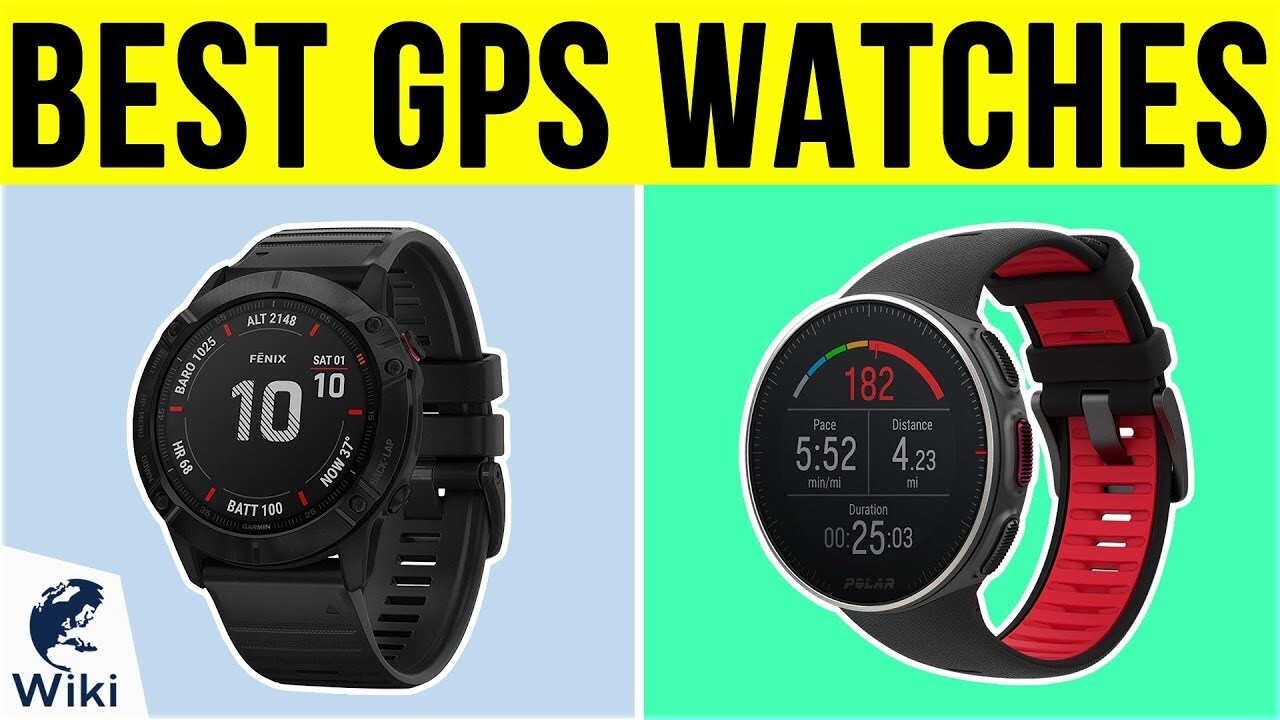
Understanding the technology and functionality behind GPS watches is crucial for making an informed purchase. These devices are more than just timekeepers; they are sophisticated tools packed with sensors and software designed to enhance your athletic performance and daily life. Delving into the specifics of their internal workings will help you appreciate the nuances that differentiate one watch from another.The core of any GPS watch lies in its ability to accurately track your location and movement.
This is achieved through various types of GPS receivers, each with its own strengths and weaknesses. The type of receiver impacts not only accuracy but also battery life and the watch’s ability to acquire a signal in challenging environments.
Types of GPS Receivers
GPS watches utilize different technologies to pinpoint your location. The choice of receiver significantly influences accuracy, power consumption, and performance in varied conditions.
- Single-Constellation Receivers (e.g., GPS only): These are the most basic and widely adopted receivers. They rely solely on the United States’ Global Positioning System (GPS) satellite network. While sufficient for many general activities, they can be less accurate in areas with tall buildings or dense tree cover where satellite signals may be obstructed.
- Multi-Constellation Receivers (e.g., GPS + GLONASS, Galileo, BeiDou): These advanced receivers can simultaneously connect to multiple satellite networks from different countries. By accessing more satellites, they offer improved accuracy and reliability, especially in complex environments. For instance, a watch using GPS and Galileo will have a larger pool of satellites to triangulate its position, leading to a more precise track.
- Dual-Frequency Receivers: This cutting-edge technology allows a watch to receive signals on two different frequency bands from each satellite. This dramatically reduces errors caused by atmospheric interference and multipath effects (signals bouncing off surfaces), resulting in highly accurate positioning, even in challenging urban canyons or dense forests.
Barometric Altimeter for Elevation Tracking
While GPS can estimate elevation, a dedicated barometric altimeter provides a more accurate and responsive measurement of altitude changes. This is particularly important for activities like hiking, trail running, and cycling where understanding your vertical gain and loss is essential.A barometric altimeter works by measuring atmospheric pressure. As you ascend, the air pressure decreases, and as you descend, it increases.
The watch’s software then translates these pressure changes into altitude readings. This technology is more sensitive to subtle elevation changes than GPS alone, offering a smoother and more precise elevation profile for your activities. Some watches also incorporate an auto-calibration feature, using GPS data to set the baseline altitude, thereby increasing accuracy.
Advanced Metrics for Performance Analysis
Modern GPS watches go beyond basic tracking to offer a wealth of advanced physiological metrics. These metrics provide deeper insights into your training, fitness levels, and recovery needs, allowing for more effective and personalized training plans.
- VO2 Max: This metric estimates the maximum amount of oxygen your body can utilize during intense exercise. It’s a key indicator of cardiovascular fitness. Watches typically estimate VO2 Max by analyzing your heart rate, pace, and other physiological data during runs or rides. A higher VO2 Max generally signifies better endurance. For example, a runner with a VO2 Max of 60 ml/kg/min can utilize more oxygen per kilogram of body weight per minute than someone with a VO2 Max of 45 ml/kg/min, indicating superior aerobic capacity.
- Recovery Time: After a strenuous workout, your body needs time to recover. The recovery time advisor feature on GPS watches estimates how long you should rest before your next hard training session. This is based on factors like the intensity and duration of your previous workout, your training load, and your sleep quality. Adhering to recommended recovery times can help prevent overtraining and reduce the risk of injury.
- Training Load: This metric quantifies the intensity and duration of your recent training sessions over a period, typically the last seven days. It helps you understand if you are training too much, too little, or just right, providing a balance between performance improvement and the risk of fatigue or injury.
Built-in Music Storage and Control
For many athletes, music is a crucial motivator. GPS watches with built-in music storage or control offer the convenience of leaving your smartphone behind while still enjoying your favorite playlists during workouts.
- Built-in Music Storage: Some watches allow you to store music files directly on the device. You can then connect wireless headphones via Bluetooth and listen to music without any external device. This is ideal for runners or cyclists who prefer to travel light. For instance, a watch with 4GB of storage can hold hundreds of songs, enough for multiple long training sessions.
- Music Control: Even if a watch doesn’t have internal storage, many can act as a remote control for music playback on your connected smartphone. This allows you to play, pause, skip tracks, and adjust volume directly from your wrist, offering a seamless experience without needing to pull out your phone.
User Interface and Navigation
The user interface (UI) and ease of navigation are critical for a positive user experience, especially when you need to access features quickly during a workout. Different operating systems and watch designs offer varying levels of intuitiveness.
- Touchscreen vs. Button Navigation: Some watches rely heavily on touchscreens, offering a smartphone-like experience with intuitive swiping and tapping. Others use a combination of buttons and a rotating bezel or crown, which can be more reliable and easier to operate with sweaty hands or gloves. Button-based navigation is often preferred by athletes who need to make quick adjustments during intense activities.
- Operating Systems (e.g., Garmin OS, Wear OS, watchOS): Each operating system has its own design philosophy and app ecosystem. Some are highly focused on sports and fitness, offering deep customization and detailed data fields. Others are more general-purpose, integrating well with smartphone notifications and a wider range of third-party apps. The learning curve for each OS can vary, with some being more straightforward than others. For example, Garmin’s operating system is known for its extensive sports-focused features and customizable data screens, while Wear OS offers broader app compatibility and integration with the Google ecosystem.
- Customization and Data Fields: The ability to customize watch faces and data screens is a significant factor. You should be able to select the metrics you want to see during your activities and arrange them in a way that makes sense to you. A well-designed interface allows for easy access to settings, workout modes, and historical data.
Navigational Capabilities of GPS Watches
Modern GPS watches have evolved far beyond simple timekeeping and activity tracking. For outdoor enthusiasts, hikers, trail runners, and adventurers, their navigational capabilities are a game-changer, offering sophisticated tools to explore with confidence and safety. These watches can help you find your way, retrace your steps, and discover new paths, making them indispensable companions for any journey off the beaten path.The core of a GPS watch’s navigational prowess lies in its ability to interact with satellite data to determine your precise location and guide you.
This functionality is not just about knowing where you are, but also about planning your route, following pre-defined paths, and ensuring you can always find your way back. Understanding these features empowers you to leverage your GPS watch to its full potential.
Breadcrumb Trails for Navigation
Breadcrumb trails, in the context of GPS watches, refer to a recorded track of your movement. As you travel, the watch logs your path, creating a digital trail that you can later follow to retrace your steps or navigate back to your starting point. This feature is particularly useful in areas with unclear trails or when exploring unfamiliar terrain where getting lost is a concern.To use breadcrumb trails for navigation, you typically need to start a recording session on your watch.
Once activated, the watch will continuously log your GPS coordinates. After your activity, you can view this recorded track on the watch or upload it to a companion app. To navigate back using the breadcrumb trail, you would select the recorded track and choose an option like “Trackback” or “Go Back.” The watch will then display your current position relative to the recorded path, guiding you along the exact route you took.
Creating and Following Routes on a GPS Watch
Creating and following routes is a fundamental navigation function of many GPS watches. This allows you to plan your adventure in advance, ensuring you stay on course and reach your intended destination. Most watches allow you to create routes either directly on the device or by using a companion app or website and then syncing it to your watch.The process of creating a route typically involves plotting a series of waypoints or a direct path between two points on a map.
For example, on a companion app, you might click on various points on a map to define your route. Once the route is created and synced, you can select it on your GPS watch. The watch will then display your current position and the planned route, often with directional cues or a visual representation of the path ahead, helping you stay on track.
Utilizing Topographical Maps for Outdoor Adventures
Many advanced GPS watches come equipped with pre-loaded or downloadable topographical maps. These maps provide detailed representations of the terrain, including elevation contours, bodies of water, trails, and other significant geographical features. Utilizing these maps significantly enhances your ability to navigate, plan routes, and understand your surroundings, especially during complex outdoor adventures.To effectively use topographical maps on your GPS watch:
- Familiarize yourself with the map interface and legend before heading out.
- Understand how to interpret contour lines to gauge elevation changes and identify steep inclines or descents.
- Locate trails and other features to plan your path and anticipate potential obstacles.
- Use the map to identify points of interest, such as summits, lakes, or shelters.
- Ensure your watch has the relevant map region downloaded for offline use, as cellular service is often unavailable in remote areas.
Back-to-Start Functionality in Case of Disorientation
The back-to-start feature is a crucial safety net for any GPS watch user, especially when venturing into unfamiliar or challenging environments. This function uses the recorded breadcrumb trail or the initial starting point to guide you back to where you began, providing peace of mind and a reliable way to recover your bearings if you become disoriented.When activated, the back-to-start function will typically display a compass bearing or a direct line on your watch face, indicating the direction back to your starting point.
Some watches may also offer a “Trackback” feature that guides you along the exact path you took, which can be invaluable if you need to retrace your steps through complex terrain or dense vegetation. This functionality is vital for preventing extended periods of being lost and ensuring a safe return.
Waypoint Marking for Points of Interest
Waypoint marking allows you to save specific locations on your GPS watch. These saved points, known as waypoints, can represent anything from a parking area and a campsite to a water source or a summit. Marking waypoints is incredibly useful for navigation, planning, and revisiting memorable spots.To mark a waypoint, you typically access a menu on your watch and select an option to “Mark Current Location” or “Add Waypoint.” You can then often assign a name or icon to the waypoint for easy identification.
Later, you can navigate to a saved waypoint by selecting it from your list and choosing to “Go To” it. The watch will then provide directions, guiding you towards that specific location. This is particularly helpful for finding your way back to a car park after a long hike or locating a specific trail junction.
Connectivity and Smart Features
Beyond their core GPS capabilities, modern GPS watches have evolved into sophisticated smart devices, seamlessly integrating with your digital life. This section explores the various connectivity options and smart features that can significantly enhance your experience, turning your watch into a powerful extension of your smartphone and a valuable tool for everyday convenience and safety.The integration of smart features transforms a GPS watch from a specialized sports gadget into a versatile companion.
These features enhance convenience, provide valuable insights into your well-being, and can even offer an added layer of safety. Understanding these capabilities will help you select a watch that not only tracks your activities but also enriches your daily life.
Smart Notifications
Receiving notifications directly on your wrist keeps you informed without needing to constantly check your phone. This feature is particularly useful during workouts, meetings, or any situation where pulling out your smartphone might be disruptive or impractical.Examples of smart notifications you can expect to receive on your GPS watch include:
- Incoming calls, displaying the caller’s name or number.
- Text messages, allowing you to read the content directly on the watch face.
- Calendar alerts for upcoming appointments and events.
- App notifications from social media platforms, email clients, and other applications.
- Reminders for tasks or events.
Smartphone and App Integration
The true power of smart features lies in their ability to connect with your smartphone and a wide array of third-party applications. This integration allows for seamless data synchronization, personalized insights, and expanded functionality.GPS watches typically connect to your smartphone via Bluetooth, enabling them to sync activity data, receive notifications, and control music playback. Many watches also support integration with popular fitness and health apps, such as Strava, MyFitnessPal, and Apple Health/Google Fit.
This allows for a comprehensive overview of your fitness journey, consolidating data from various sources into a single, accessible platform. For instance, you can automatically upload your run data from your watch to Strava for analysis and social sharing, or sync your calorie intake logged in MyFitnessPal to your watch for a real-time view of your daily balance.
Contactless Payment Options
Many advanced GPS watches now offer built-in contactless payment capabilities, providing a highly convenient way to make purchases without needing your wallet or phone. This feature is powered by Near Field Communication (NFC) technology.To use this feature, you typically link your credit or debit card to a secure payment service through a companion smartphone app. Once set up, you can simply hold your watch near a compatible payment terminal to complete a transaction.
This is incredibly useful for quick purchases during a run, like grabbing a coffee or water, or for making payments at retail stores when your hands are full. Brands like Garmin Pay and Fitbit Pay are prominent examples of this technology.
Sleep Tracking and Analysis
Understanding your sleep patterns is crucial for overall health and recovery, and GPS watches offer sophisticated sleep tracking capabilities. These watches monitor your sleep stages, duration, and quality, providing valuable data for analysis.The watch uses motion sensors and heart rate monitors to detect when you fall asleep, when you wake up, and to differentiate between light sleep, deep sleep, and REM sleep.
The collected data is then presented in a user-friendly format within the companion app, often with insights into your sleep efficiency and recommendations for improvement. For example, you might see that you consistently have less deep sleep on nights following intense training sessions, prompting you to adjust your recovery strategies.
Built-in Safety Features
Safety is a growing concern for many outdoor enthusiasts, and GPS watches are increasingly equipped with features designed to provide assistance in emergencies. These features leverage the watch’s GPS and connectivity to alert emergency contacts or services.One of the most significant safety features is incident detection. This functionality uses the watch’s sensors, including accelerometers and gyroscopes, to detect a potential fall or impact.
If an incident is detected and you do not respond to a prompt on the watch within a set timeframe, it can automatically send an alert with your location to pre-selected emergency contacts or to emergency services. Another related feature is assistance requests, where you can manually trigger an alert to your contacts if you feel you are in danger or require help.
These features offer peace of mind, especially for solo athletes or those venturing into remote areas.
Durability and Build Quality
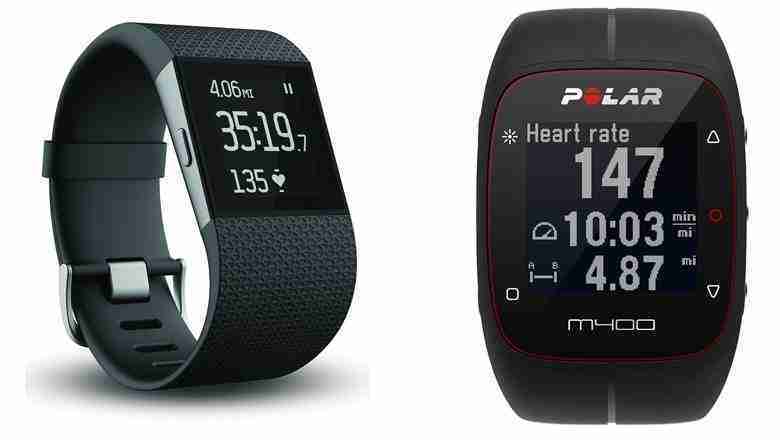
Choosing a GPS watch that can withstand the rigors of your adventures is paramount. The materials used, the screen technology, and adherence to industry standards all contribute to a device’s longevity and reliability in demanding environments. This section delves into the critical aspects of durability and build quality to ensure your watch keeps pace with your active lifestyle.When considering the construction of a GPS watch, the materials chosen for the case and strap play a significant role in its overall resilience and comfort.
These components are the first line of defense against everyday wear and tear, as well as more extreme conditions.
Watch Case and Strap Materials
The watch case, which houses the internal electronics, is typically constructed from a variety of materials, each offering different levels of durability, weight, and aesthetic appeal. Common materials include:
- Plastics/Polymers: Often found in entry-level to mid-range watches, these are lightweight and cost-effective. They can be quite robust, but may be more prone to scratching than metal options.
- Fiber-Reinforced Polymers: These offer enhanced strength and impact resistance compared to standard plastics, making them a popular choice for sports watches.
- Stainless Steel: Known for its strength, corrosion resistance, and premium feel, stainless steel cases are durable but can add significant weight to the watch.
- Titanium: This metal is exceptionally strong yet lightweight, and highly resistant to corrosion and scratches. It’s a premium option often found in high-end outdoor and sports watches.
- Ceramic: Ceramic cases are highly scratch-resistant and hypoallergenic, offering a sleek, premium look. However, they can be brittle and prone to cracking if subjected to sharp impacts.
Similarly, watch straps are designed for both comfort and durability, with common materials including:
- Silicone/Rubber: These are flexible, waterproof, and comfortable for active use, making them ideal for swimming and high-sweat activities.
- Nylon/Fabric: Often used in military-style or rugged watches, these straps are durable, breathable, and can dry quickly.
- Leather: While offering a classic aesthetic, leather straps are less ideal for intense, water-based activities as they can degrade over time with moisture exposure.
- Metal Bracelets: Similar to metal cases, these offer durability and a premium look but can be heavy and less comfortable during strenuous exercise.
Screen Types and Their Impact
The display technology employed in a GPS watch directly influences its durability and how well you can see it in various lighting conditions.
- Transflective Displays: These screens are designed to be highly visible in direct sunlight, as they reflect ambient light. They are also generally more power-efficient and can be more resilient to physical impact due to their construction. Many rugged outdoor watches utilize transflective displays for their superior outdoor readability and battery life.
- AMOLED Displays: Offering vibrant colors, deep blacks, and excellent contrast, AMOLED screens provide a visually stunning experience. However, they can be more power-hungry and may not perform as well in direct, harsh sunlight without a bright backlight. While advancements are being made, they can sometimes be more susceptible to scratches or damage from direct impacts compared to some transflective options.
Ruggedness for Outdoor Sports
For athletes and adventurers engaged in activities like trail running, mountaineering, or cycling, a watch’s ruggedness is a non-negotiable feature. This refers to the watch’s ability to withstand shocks, drops, water, dust, and extreme temperatures. Many manufacturers test their rugged watches against specific military standards to ensure they meet stringent durability requirements.
Scratch Resistance for Watch Faces
The watch face, typically made of glass or a similar material, is highly susceptible to scratches. A scratch-resistant watch face ensures that the display remains clear and readable over time, even after encountering abrasive surfaces.
- Gorilla Glass: A common type of chemically strengthened glass, known for its resistance to scratches and cracks. Different versions (e.g., Gorilla Glass DX) are optimized for smartwatch displays, enhancing scratch resistance and reducing reflections.
- Sapphire Crystal: This is one of the hardest materials available for watch faces, offering exceptional scratch resistance. While very difficult to scratch, it can be more prone to shattering from sharp impacts than other materials.
Common Durability Standards for Electronic Devices
To provide a standardized measure of a device’s resilience, several durability standards are commonly applied. Understanding these can help you gauge a watch’s toughness.
| Standard | Description | Relevance to GPS Watches |
|---|---|---|
| MIL-STD-810G/H | A United States Military standard outlining a series of tests to assess the durability of equipment under various environmental conditions, including temperature extremes, shock, vibration, and water immersion. | Watches tested against this standard are designed to withstand harsh outdoor environments, extreme temperatures, and significant impacts, making them suitable for demanding sports and activities. |
| IP Rating (Ingress Protection) | An international standard that classifies the degree of protection provided by enclosures against intrusion from solid objects and liquids. The first digit relates to solids, and the second to liquids. | A common rating for GPS watches is IP68, indicating protection against dust ingress and prolonged immersion in water. For water sports, higher water resistance ratings (e.g., 10 ATM) are crucial. |
Compatibility and Ecosystems
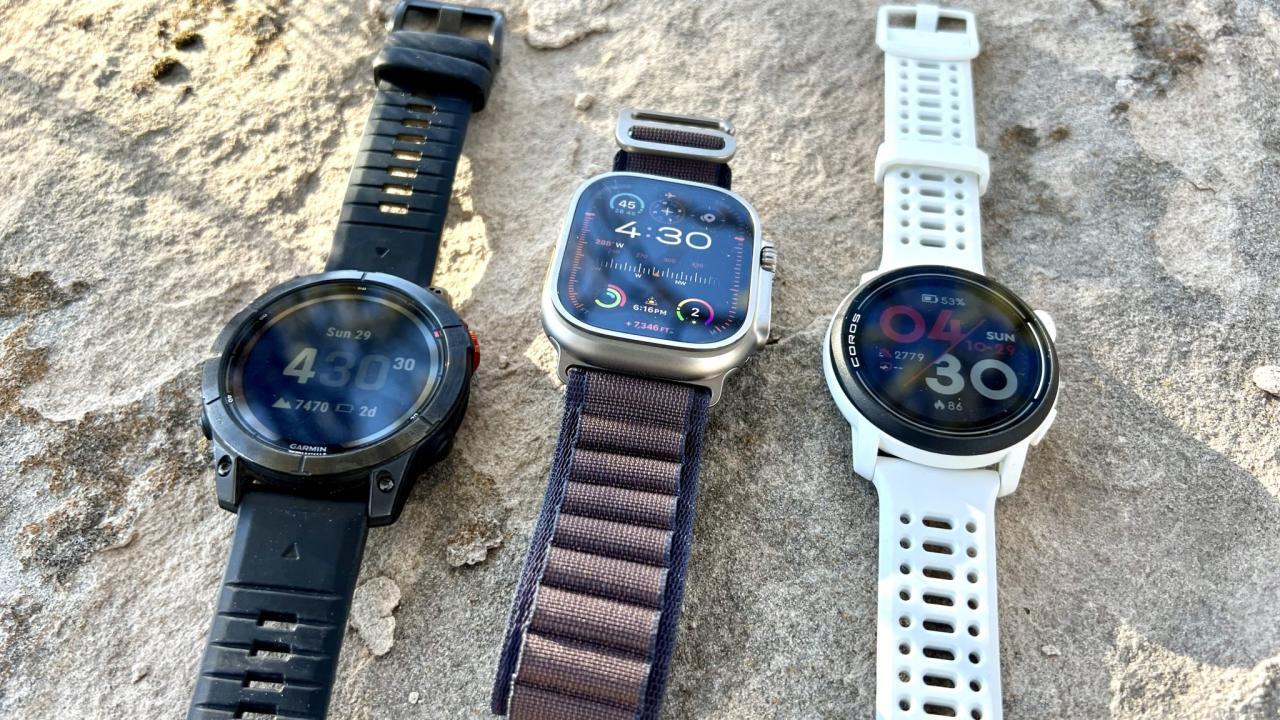
Choosing the right GPS watch extends beyond its core features; ensuring it seamlessly integrates with your existing digital life is paramount. This involves checking compatibility with your smartphone and understanding how the watch fits into a broader technological ecosystem. A well-integrated watch enhances your user experience, simplifies data management, and opens up a world of possibilities for personalized training and daily life.The modern GPS watch is rarely a standalone device.
Its true potential is often unlocked when it communicates effectively with other devices and platforms. This section will guide you through the essential aspects of compatibility, from ensuring it works with your phone to exploring the benefits of brand ecosystems and third-party app integration.
Smartphone Operating System Compatibility
Ensuring your GPS watch works harmoniously with your smartphone is the first step towards a smooth user experience. Most modern GPS watches are designed to connect with either iOS or Android devices, and some offer cross-compatibility. It is crucial to verify this compatibility before making a purchase to avoid frustration and ensure you can access all the watch’s features, including notifications, data syncing, and app management.To check for smartphone operating system compatibility, follow these general steps:
- Visit the Manufacturer’s Website: The official product page for any GPS watch will clearly state the compatible operating systems. Look for sections like “Specifications,” “Requirements,” or “Compatibility.”
- Review the Product Packaging: The retail box of the watch often lists the supported operating systems.
- Check App Store Listings: The companion mobile application for the watch will have a listing in the Apple App Store (for iOS) or Google Play Store (for Android). This listing will specify the minimum operating system version required.
- Read User Reviews: Online reviews from other users can provide real-world insights into compatibility issues or successes with specific phone models and operating systems.
For instance, a watch might require iOS 14 or later, or Android 8.0 or later. Failing to meet these requirements could mean you cannot set up the watch, receive notifications, or sync your activity data.
Brand Ecosystem Advantages
Opting for a GPS watch from a brand that also manufactures other smart devices, such as smartphones, earbuds, or fitness trackers, can offer significant advantages. These integrated ecosystems are designed to work seamlessly together, creating a more unified and efficient user experience. Data often flows effortlessly between devices, and features can be enhanced through inter-device communication.For example, if you own an Apple iPhone, an Apple Watch will integrate most smoothly, offering features like seamless unlocking of your Mac, using Apple Pay directly from your wrist, and receiving all iPhone notifications instantly.
Similarly, Samsung Galaxy Watches offer deep integration with Samsung Galaxy smartphones, enabling features like remote camera control, call management, and even advanced health metrics synced across devices. This synergy reduces the friction often encountered when trying to connect devices from different manufacturers.
Fitness Platform Data Syncing
The ability to sync your GPS watch data with popular third-party fitness platforms is essential for users who want to consolidate their health and activity information in one place or leverage advanced analytics offered by these services. Most reputable GPS watch manufacturers provide this functionality, allowing you to export your workouts, steps, heart rate data, and sleep patterns to platforms like Strava, TrainingPeaks, MyFitnessPal, and others.The process of syncing typically involves linking your watch manufacturer’s account with your chosen fitness platform account through their respective companion apps.
This is usually a one-time setup.
- Open the Watch’s Companion App: Navigate to the settings or profile section.
- Find the “Connected Apps” or “Third-Party Integrations” option.
- Select the Desired Platform: Choose the fitness platform you wish to connect to (e.g., Strava).
- Authorize the Connection: You will be redirected to the platform’s login page to authorize the data sharing.
- Configure Data Sharing: Some platforms allow you to choose which data types you want to sync (e.g., activities only, or also daily steps).
This ensures that your hard-earned data is not siloed on your watch but contributes to a comprehensive view of your fitness journey across multiple services.
Third-Party App Installation
Many advanced GPS watches function as mini-smartwatches, allowing you to download and install third-party applications directly onto the device. This significantly expands the watch’s capabilities beyond its core fitness tracking functions, enabling you to access tools for productivity, entertainment, and specialized training.The process for downloading and installing third-party apps generally involves using the watch’s dedicated app store, which is accessed through the companion mobile application.
- Access the Watch’s App Store: Open the companion app on your smartphone and look for a section labeled “App Store,” “Download Apps,” or “More Apps.”
- Browse or Search for Apps: You can typically browse categories or search for specific apps by name. Popular apps include Spotify for offline music playback, weather apps, navigation tools, and even simple games.
- Install the App: Once you find an app you want, select it and tap the “Install” or “Download” button. The app will then be transferred to your watch.
- Grant Permissions: After installation, you may need to grant the app certain permissions on your watch or smartphone to function correctly (e.g., access to location, notifications).
For example, installing a dedicated cycling app might provide more detailed metrics and route planning capabilities directly on your wrist, without needing to pull out your phone.
Companion Mobile Application User Experience
The companion mobile application is your primary interface for managing your GPS watch, analyzing your data, and customizing settings. The user experience of this app can greatly influence your overall satisfaction with the watch. A well-designed app is intuitive, visually appealing, and provides easy access to all necessary functions.When comparing user experiences, consider the following aspects:
- Navigation and Layout: Is it easy to find what you’re looking for? Are the menus logical and uncluttered?
- Data Visualization: How are your workouts and daily stats presented? Are charts and graphs clear and informative?
- Customization Options: Can you easily change watch faces, set up activity profiles, and adjust notification settings?
- Syncing Reliability: Does the app reliably sync data from your watch without frequent errors or delays?
- Battery Consumption: Does the companion app consume excessive battery power on your smartphone?
For instance, Garmin Connect is often praised for its comprehensive data analysis and customization options, while Polar Flow offers a clean interface focused on training load and recovery. Fitbit’s app is known for its user-friendly design and strong community features. A clunky or unreliable companion app can detract significantly from an otherwise excellent GPS watch.
Understanding Different GPS Watch Brands and Models
Navigating the vast landscape of GPS watches can be daunting, with numerous brands offering a wide array of models catering to diverse needs and budgets. Understanding the strengths and typical user base of each major brand can significantly simplify your decision-making process. This section provides a comparative overview to help you identify the brands and models that best align with your lifestyle and activity preferences.The GPS watch market is dominated by a few key players, each with its distinct philosophy and product lines.
These brands often specialize in certain types of users, whether they are elite athletes, outdoor adventurers, or everyday fitness enthusiasts. By examining their offerings, target audiences, and common user feedback, you can gain valuable insights into which brand might be the perfect fit for you.
Comparative Overview of Leading GPS Watch Brands
Several reputable brands consistently deliver high-quality GPS watches, each carving out its niche in the market. Garmin, known for its extensive range and robust features, appeals to serious athletes and adventurers. Polar, with a strong emphasis on physiological metrics and recovery, is favored by those focused on performance optimization. Coros has rapidly gained traction with its long battery life and performance-oriented features for runners and triathletes.
Suunto, a veteran in outdoor exploration, offers rugged and reliable devices for demanding environments. Finally, Apple Watch, while not exclusively a GPS watch, offers a compelling blend of smart features and fitness tracking for a broader audience.
Sample Table of Key Specifications for Popular Models
To illustrate the differences across brands and price points, consider the following sample table. This highlights how features and capabilities vary, from entry-level options to premium, feature-rich devices.
| Brand | Model (Example) | Price Category | Key GPS Features | Activity Tracking | Battery Life (GPS Mode) | Smart Features | Durability |
|---|---|---|---|---|---|---|---|
| Garmin | Forerunner 55 | Entry-Level | Built-in GPS, PacePro™ | Running, Cycling, Swimming, HIIT | Up to 20 hours | Notifications, Music Control | Fiber-reinforced polymer case |
| Garmin | Fenix 7 Series | Premium | Multi-band GPS, TopoActive Maps, Navigation | All Sports, Advanced Metrics, Recovery | Up to 57 hours (all systems on) | Contactless Payments, Music, Notifications | Titanium/Stainless Steel bezel, Sapphire lens |
| Polar | Ignite 3 | Mid-Range | GPS, GLONASS, Galileo, QZSS | Running, Cycling, Swimming, Sleep Tracking | Up to 30 hours | Notifications, Music Control | Polymer case, Gorilla Glass |
| Coros | Pace 3 | Mid-Range | Dual-Frequency GPS | Running, Cycling, Swimming, Strength | Up to 24 days (regular use), 38 hours (full GPS) | Notifications | Nylon bezel, Sapphire glass |
| Apple | Apple Watch Series 9 | Mid-Range/Premium | GPS, GLONASS, Galileo, QZSS, BeiDou | Extensive Workout Modes, Health Metrics | Up to 18 hours (regular use) | Full Smartwatch Ecosystem, Apps, Calls | Aluminum/Stainless Steel case, Ceramic shield |
Typical Target Audience for Each Major Brand
Understanding who each brand primarily designs its watches for can help you find a brand that resonates with your personal needs.
- Garmin: Caters to a broad spectrum, from casual runners and cyclists (Forerunner series) to serious endurance athletes and outdoor adventurers who require advanced navigation and mapping (Fenix, Epix, Instinct series).
- Polar: Appeals to individuals focused on in-depth physiological data, training load, recovery, and heart rate variability for performance improvement, often used by serious athletes and fitness enthusiasts.
- Coros: Primarily targets runners, triathletes, and hikers who prioritize exceptional battery life, robust GPS performance, and essential training metrics without excessive complexity.
- Suunto: Favored by outdoor enthusiasts, hikers, trail runners, and divers who need rugged, reliable devices with excellent navigation and environmental sensors for extreme conditions.
- Apple Watch: Attracts users who want a seamless integration into the Apple ecosystem, a versatile smartwatch with strong fitness and health tracking capabilities, and a stylish design for everyday wear.
Common User Feedback and Reviews for Popular GPS Watch Models
User reviews often highlight the real-world performance and user experience of GPS watches.
- Garmin: Praised for its comprehensive feature sets, accuracy, and durability. Common feedback includes appreciation for the depth of data available and the robust mapping capabilities, though some find the interface can have a learning curve.
- Polar: Users frequently commend its advanced sleep and recovery tracking, along with accurate heart rate monitoring. Some reviews mention that the training analysis can be complex for beginners.
- Coros: Frequently lauded for its industry-leading battery life and straightforward, performance-focused interface. Users appreciate its reliability during long events and its value for money.
- Suunto: Receives positive remarks for its ruggedness and reliable navigation, particularly in remote areas. Feedback often points to its intuitive design for outdoor activities.
- Apple Watch: Celebrated for its ease of use, vibrant display, and extensive app ecosystem. Users appreciate its integration with other Apple devices and its comprehensive health monitoring features, though battery life can be a concern for heavy GPS users.
Factors to Consider When Choosing Between Top Contenders
When faced with multiple excellent options from leading brands, several factors can help you make the final decision.
- Primary Activity Focus: Does the watch excel in your main sport (e.g., advanced running metrics for a marathoner, dive computer features for a diver)?
- Battery Life Requirements: For ultra-endurance activities or extended trips, a longer battery life is paramount.
- Navigation Needs: If you frequently explore off-trail or need detailed maps, brands like Garmin and Suunto often lead.
- Data Depth vs. Simplicity: Do you want every possible metric, or a more streamlined experience?
- Ecosystem Integration: If you use other smart devices from a particular brand (e.g., Apple or Android phones), compatibility can be a significant factor.
- Budget: While premium features come at a cost, many brands offer excellent value in their mid-range and entry-level offerings.
Epilogue
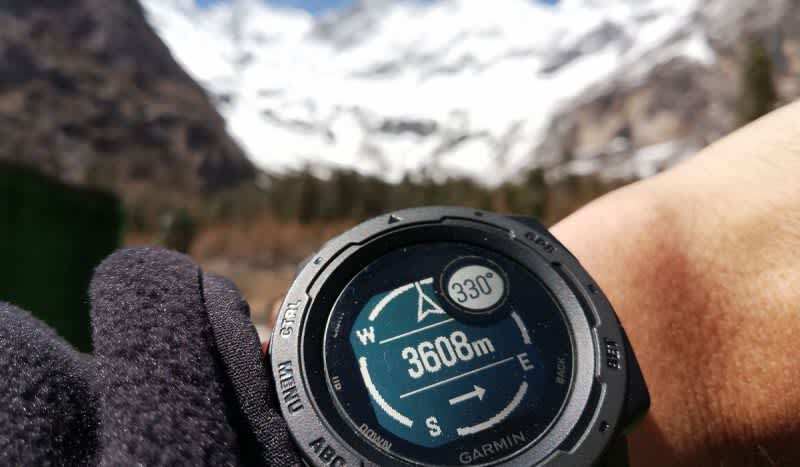
In conclusion, selecting the ideal GPS watch is a journey that begins with self-awareness and culminates in a well-informed choice. By meticulously considering your intended activities, desired features, budget, and personal style, you can confidently navigate the diverse landscape of GPS watches. Remember, the best watch is not necessarily the one with the most features, but the one that best serves your unique needs and enhances your adventures, empowering you to explore further and smarter.