Choosing the right running hat or visor for sun protection is crucial for any outdoor enthusiast. This guide delves into the essential aspects of selecting headwear that not only shields you from harmful UV rays but also enhances your running experience. We will explore the importance of sun protection, the various types of headwear available, and the key features to consider for optimal comfort and performance.
Understanding the risks associated with prolonged sun exposure, such as sunburn, heatstroke, and long-term skin damage, is the first step. This comprehensive overview will equip you with the knowledge to make an informed decision, ensuring your runs are safe and enjoyable, regardless of the weather conditions.
Understanding the Importance of Sun Protection for Runners
Engaging in outdoor running offers a wealth of physical and mental health benefits, but it also exposes us to the sun’s powerful ultraviolet (UV) radiation. Prolonged and unprotected exposure can lead to a range of detrimental effects, impacting both immediate comfort and long-term well-being. Therefore, understanding the risks and implementing effective protective measures is paramount for any runner who trains outdoors.The sun’s UV rays, specifically UVA and UVB, can penetrate the skin and cause damage at a cellular level.
Runners, by the nature of their activity, often spend extended periods outdoors, sometimes during peak sun hours, increasing their cumulative UV exposure. This makes proactive sun protection not just a matter of comfort, but a crucial aspect of a runner’s health and performance maintenance.
Specific Risks of Prolonged Sun Exposure for Runners
Runners face a unique set of risks due to their outdoor training regimens. The repetitive motion and increased respiration can lead to a higher absorption rate of environmental factors, including UV radiation.
- Sunburn: This is the most immediate and visible consequence of excessive sun exposure. Sunburn in runners can manifest as redness, pain, and blistering, significantly hindering their ability to train comfortably and recover effectively.
- Heatstroke and Heat Exhaustion: While not solely caused by UV radiation, prolonged sun exposure exacerbates the risk of heat-related illnesses. High temperatures combined with direct sunlight can overwhelm the body’s thermoregulation system, leading to dangerous conditions.
- Premature Skin Aging: Chronic UV exposure accelerates the breakdown of collagen and elastin in the skin, leading to wrinkles, fine lines, and a loss of skin elasticity. For runners who spend years outdoors, this can result in a visibly aged complexion.
- Increased Risk of Skin Cancer: The most serious long-term risk is the development of skin cancers, including melanoma, basal cell carcinoma, and squamous cell carcinoma. UV radiation is a primary cause of these cancers, and cumulative exposure significantly elevates the risk.
- Eye Damage: The eyes are also vulnerable to UV radiation, which can contribute to conditions like cataracts and macular degeneration over time. This can impair vision, a critical sense for runners navigating their environment.
Benefits of Headwear for Sun Protection During Outdoor Runs
Wearing appropriate headwear is one of the most effective and accessible ways for runners to mitigate the risks associated with sun exposure. The right hat or visor acts as a physical barrier, providing multiple layers of protection.
- Direct Shielding of Scalp and Face: Hats and visors create a physical barrier that prevents direct UV rays from reaching the scalp, forehead, ears, and nose – areas particularly susceptible to sunburn and skin damage.
- Reducing Glare and Improving Visibility: Brims on hats and visors effectively block sunlight from entering the eyes, reducing glare and improving visibility. This is crucial for runners who need to see obstacles, traffic, and their surroundings clearly, enhancing safety.
- Minimizing Heat Absorption: Lighter colored and breathable headwear can help reflect sunlight, keeping the head cooler and reducing the overall heat load on the body. This can aid in thermoregulation and reduce the risk of heat-related illnesses.
- Preventing Sunburn on the Scalp: The scalp, with its dense hair, can still be vulnerable to sunburn, especially in areas with thinning hair or part lines. A hat provides essential protection.
- Comfort and Moisture Management: Many running hats and visors are designed with sweat-wicking materials that help manage perspiration, keeping sweat out of the eyes and preventing discomfort.
Common Misconceptions About Sun Protection for Athletes
Despite the clear benefits of sun protection, several common misconceptions persist among athletes, including runners, which can lead to inadequate protective measures.
- “I have dark skin, so I don’t need sun protection.” While individuals with darker skin have a higher natural melanin content, which offers some protection, they are still susceptible to UV damage and skin cancer. The risk may be lower, but it is not eliminated.
- “I only run for a short time, so it’s not a problem.” Even short, frequent exposures to the sun can accumulate over time and contribute to long-term skin damage and an increased risk of skin cancer.
- “Cloudy days are safe.” Up to 80% of UV rays can penetrate cloud cover, meaning you can still get significant sun exposure on overcast days.
- “Sweat washes off sunscreen.” While sweat can dilute sunscreen, it doesn’t entirely remove it. However, it does emphasize the need for reapplication, especially during long or intense runs.
- “I get enough Vitamin D from my runs, so I don’t need to worry about sun avoidance.” While sunlight is a source of Vitamin D, the amount needed for adequate levels is far less than what is required to cause sun damage. It’s possible to maintain Vitamin D levels with sensible sun exposure and dietary sources without risking sunburn or long-term skin damage.
Examples of Sun Damage Affecting Runner Performance and Health
The impact of sun damage on runners extends beyond superficial discomfort, influencing their physical capabilities and overall health in tangible ways.
- Immediate Performance Impairment: A severe sunburn can cause pain, inflammation, and dehydration, leading to fatigue and reduced endurance. A runner suffering from sunburn may need to take days off, disrupting training schedules and impacting race preparation. For instance, a marathon runner preparing for a key event might find their performance significantly compromised by a painful sunburn incurred during a long training run a week prior.
- Long-Term Health Consequences: The cumulative effect of UV exposure increases the lifetime risk of developing skin cancer. A runner who has had multiple blistering sunburns throughout their career has a demonstrably higher risk of developing melanoma later in life, a serious and potentially life-threatening condition.
- Chronic Skin Conditions: Persistent sun exposure can lead to conditions like actinic keratoses, which are pre-cancerous skin lesions. These can be itchy or painful and may require treatment, potentially affecting a runner’s ability to train comfortably.
- Vision Impairment: While not always immediately noticeable, the gradual development of cataracts due to UV exposure can eventually affect a runner’s visual acuity. This can make navigating trails or roads more hazardous, impacting their confidence and ability to run in certain conditions. For example, a runner who has spent decades training outdoors without adequate eye protection might find their night vision deteriorating, making evening runs more challenging and dangerous.
- Dehydration and Heat Illness: Direct sun exposure significantly contributes to dehydration and heat buildup. A runner caught in the midday sun without proper headwear or hydration can quickly become heat-exhausted, experiencing symptoms like dizziness, nausea, and muscle cramps, forcing them to stop their run prematurely and potentially requiring medical attention.
Types of Running Headwear for Sun Protection
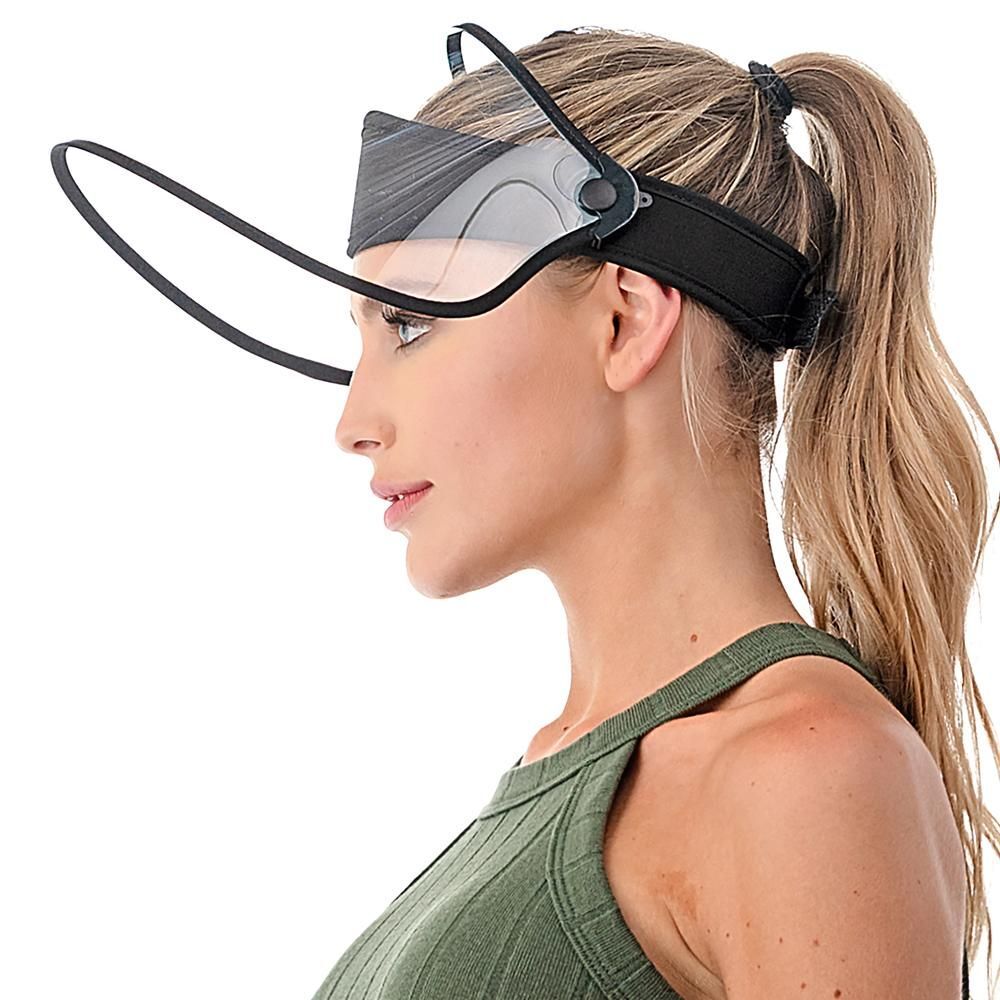
When it comes to protecting your face and scalp from the sun’s harsh rays during your runs, two primary categories of headwear stand out: hats and visors. Each offers a unique set of benefits, and understanding these differences will help you select the perfect companion for your outdoor workouts.The choice between a running hat and a running visor often comes down to personal preference and the specific needs of your run.
Both are designed with performance and protection in mind, but their construction and coverage areas differ significantly, impacting factors like ventilation, coverage, and overall comfort.
Running Hats for Full Head Coverage
Running hats provide comprehensive protection for your entire head, shielding both your face and the top of your scalp from direct sunlight. This complete coverage is particularly beneficial for runners who are sensitive to sun exposure on their scalp or who spend extended periods running in intense sun. The brim of a hat offers shade for the face, while the crown of the hat prevents sunburn on the often-overlooked top of the head.Key design features to look for in running hats include:
- Wide Brim: A brim that extends sufficiently around the hat provides optimal shade for the face, neck, and ears. Some hats feature a 360-degree brim for maximum protection.
- Breathable Fabric: Look for hats made from lightweight, moisture-wicking materials like polyester or nylon blends. Mesh panels or ventilation eyelets are crucial for allowing air circulation and preventing overheating.
- Adjustable Fit: An adjustable strap or drawstring at the back ensures a secure and comfortable fit, preventing the hat from blowing off during vigorous activity.
- UPF Rating: Many running hats come with a Ultraviolet Protection Factor (UPF) rating, indicating the level of protection they offer against harmful UV rays. A UPF of 50+ is highly recommended.
- Dark Underside of Brim: A dark, non-reflective underside of the brim can help reduce glare and improve visibility.
Running Visors for Facial Sun Shielding and Ventilation
Running visors offer a specialized approach to sun protection, focusing primarily on shielding the face while maximizing ventilation. They are an excellent choice for runners who prioritize keeping their heads cool and enjoy the feeling of airflow. The brim effectively blocks the sun from your eyes and face, preventing squinting and reducing the risk of sunburn on the forehead.The benefits of running visors are rooted in their design:
- Exceptional Ventilation: By leaving the top of the head exposed, visors allow for superior airflow, making them ideal for hot weather runs or intense workouts where overheating is a concern.
- Unobstructed Hair Management: For runners with longer hair, visors allow for easy ponytail or bun styling, preventing hair from interfering with their vision or comfort.
- Reduced Glare: The brim is specifically designed to cast a shadow over the eyes, significantly reducing glare from the sun and improving comfort and focus.
When selecting a running visor, consider these important design features:
- Adequate Brim Length: Ensure the brim is long enough to provide substantial shade for your forehead, cheeks, and the bridge of your nose.
- Soft, Absorbent Sweatband: A terrycloth or moisture-wicking sweatband along the inner edge helps to absorb sweat and prevent it from dripping into your eyes.
- Secure and Comfortable Fit: Look for adjustable closures, such as Velcro straps or elastic bands, that allow for a snug fit without being too tight.
- Lightweight Construction: Visors are typically made from lightweight materials to minimize any sensation of weight on the head.
- Reflective Elements: Some visors include reflective accents, which can enhance visibility during dawn or dusk runs.
Key Design Features for Optimal Sun Protection
Whether you opt for a hat or a visor, certain design elements are paramount for effective sun protection. These features ensure that your headwear performs its intended function without compromising comfort or performance during your runs.Here are the essential design features to prioritize:
- Material Quality: Prioritize lightweight, breathable, and moisture-wicking fabrics. These materials help to manage sweat and keep your head cool, even on long runs. Look for synthetic blends like polyester or nylon, which are quick-drying and durable. Natural fibers like cotton can be comfortable but tend to retain moisture, which can be detrimental during strenuous activity.
- Brim Design and Coverage: The width and shape of the brim are critical. For hats, a brim that offers 360-degree coverage is ideal for comprehensive protection. For visors, the brim should be sufficiently long and wide to shade the face effectively, extending to cover the ears as much as possible. The brim should also be structured enough to maintain its shape and not flop down over your eyes.
- Ventilation Systems: Adequate ventilation is key to preventing overheating. Hats often feature mesh panels or grommets for airflow, while visors inherently offer superior ventilation by leaving the crown of the head open. Consider the placement and size of these vents to ensure maximum air circulation.
- Adjustability and Fit: A secure fit is non-negotiable. Headwear that is too loose can be a distraction and may even blow off. Look for adjustable features like Velcro straps, elastic bands, or drawstrings. A well-fitting hat or visor will stay in place during dynamic movements, such as running, jumping, or turning your head.
- UPF Rating: For the highest level of sun protection, seek out headwear with a Ultraviolet Protection Factor (UPF) rating. A UPF of 50 or higher is considered excellent and blocks over 98% of the sun’s harmful UV rays. This rating is especially important for prolonged exposure.
Key Features to Consider When Selecting a Running Hat
Choosing the right running hat or visor is paramount for ensuring comfort and effective sun protection during your runs. Beyond simply shielding your eyes, a well-selected piece of headwear can significantly enhance your running experience by managing sweat, maintaining temperature, and providing crucial UV defense. Let’s delve into the specific features that make a running hat truly functional and beneficial.
Brim Width and Shape for Optimal Shade
The brim of a running hat plays a critical role in protecting your face and neck from the sun’s harmful rays. Its design directly influences the amount of shade provided and how effectively it shields sensitive areas.
A wider brim offers more comprehensive coverage, shielding a larger portion of the face, including the nose and cheeks, which are particularly susceptible to sunburn. For runners who spend extended periods outdoors or are particularly concerned about sun exposure, a brim that extends at least 2-3 inches in the front is often recommended. The shape of the brim is also important.
A slightly curved or “pre-curved” brim can help direct sunlight away from the eyes more effectively and prevent glare. Some hats feature a more structured brim that holds its shape well, while others have a softer, more pliable brim that can be adjusted to personal preference. Consider how the brim interacts with your vision; it should provide ample shade without obstructing your forward view, especially when looking uphill or at distant landmarks.
Material Composition for UV Protection and Breathability
The fabric of your running hat is a key determinant of its performance, impacting both its ability to protect you from the sun and its comfort during physical activity.
Look for materials that offer excellent UV protection. Many performance fabrics are rated with an Ultraviolet Protection Factor (UPF), similar to how sunscreen is rated. A UPF of 30 or higher is generally considered good, while UPF 50+ provides excellent protection. Common materials used in running hats include polyester, nylon, and blends, often engineered for moisture-wicking and quick-drying properties. These materials help to pull sweat away from your skin, preventing it from dripping into your eyes and contributing to a cooler feeling.
Breathability is equally important, especially in warmer weather. Fabrics that allow air to circulate freely help to dissipate heat and prevent overheating. Many hats incorporate mesh panels or laser-cut eyelets to enhance ventilation, ensuring that heat can escape and fresh air can enter.
Closure Mechanisms for Fit and Comfort
The way a running hat secures to your head is crucial for both a stable fit during movement and overall comfort. Different closure systems cater to various head shapes and preferences.
Adjustable straps, often featuring a buckle or a hook-and-loop (Velcro) closure, offer the most customizable fit. This allows runners to fine-tune the tightness, ensuring the hat stays put even during vigorous activity without feeling too constricting. Elastic bands, sometimes integrated into the back of the hat, provide a snug and comfortable fit that can adapt to different head sizes. Some hats may have a fixed size with a stretchy inner band, offering a balance between simplicity and a secure feel.
The material of the closure should also be considered; some individuals may find certain types of Velcro irritating against the skin, while others prefer the ease of adjustment. A well-fitting hat should feel secure but not create pressure points or cause discomfort during your run.
Ventilation Features for Enhanced Airflow
Effective ventilation in a running hat is essential for managing heat and moisture, contributing significantly to comfort during intense workouts or in warm conditions.
Mesh panels are a common and highly effective ventilation feature. Strategically placed on the sides or back of the hat, these panels allow for maximum airflow, helping to release heat buildup and keep your head cool. Laser-cut eyelets are another popular option, offering small, discreet holes that facilitate air circulation without compromising the hat’s structure or sun protection. The density and placement of these ventilation features can vary, so consider your personal needs and the typical climate you run in.
For runners who tend to overheat easily or run in hot and humid environments, hats with extensive mesh or multiple eyelets will likely provide superior comfort.
Structured vs. Unstructured Brims: A Comparative Analysis
The construction of the brim on a running hat can significantly impact its functionality, stability, and overall feel. Understanding the differences between structured and unstructured brims can help you make an informed choice.
| Feature | Structured Brim | Unstructured Brim |
|---|---|---|
| Shape Retention | Maintains its shape consistently, offering predictable shade and glare reduction. Excellent for maintaining a clear field of vision. | More pliable and can be bent or folded, allowing for some customization of shade and glare reduction. May require occasional readjustment. |
| Durability | Generally more durable and resistant to damage from being packed or creased. | Can be more susceptible to losing its shape if not handled carefully, especially after being compressed. |
| Weight and Feel | Can sometimes feel slightly heavier or stiffer due to the internal support. | Often feels lighter and more flexible, conforming more readily to the head. |
| Sun Protection Consistency | Provides consistent and reliable shade across the entire brim. | Shade coverage can vary slightly depending on how the brim is positioned or adjusted. |
| Pros |
|
|
| Cons |
|
|
Key Features to Consider When Selecting a Running Visor
While hats offer comprehensive coverage, running visors provide a lighter, more breathable option, particularly for those who prefer an open-top feel. They excel at keeping the sun out of your eyes and sweat off your face, making them a popular choice for many runners. However, not all visors are created equal, and paying attention to specific features can significantly enhance your comfort and protection during your runs.When choosing a running visor, several key elements contribute to its overall performance and how well it suits your individual needs.
These features are designed to optimize sun protection, manage moisture effectively, and ensure a secure, comfortable fit, even during intense activity.
Visor Depth and Curvature for Facial Coverage
The primary function of a visor is to shield your eyes and face from the sun’s glare. The depth and curvature of the visor brim play a crucial role in how effectively it achieves this. A deeper brim offers more substantial shade, extending further down to cover more of your forehead and cheeks, which is especially beneficial in intense sunlight or when running in a direction where the sun is directly in front of you.
The curvature of the brim also influences the field of vision and the overall coverage area. A well-designed curve will contour to your face, minimizing peripheral glare without obstructing your view. Some visors feature a more pronounced curve, akin to a gentle arc, which can be highly effective at blocking low-angle sun.
Headband Material and Padding for Comfort and Sweat Management
The headband is the part of the visor that rests against your forehead, and its material and any associated padding are critical for comfort and sweat management. Moisture-wicking fabrics, such as polyester blends or specialized synthetic materials, are ideal as they draw sweat away from your skin, preventing it from dripping into your eyes. Soft, plush padding, often made of terrycloth or a similar absorbent material, can further enhance comfort by providing a cushioned barrier and absorbing excess moisture.
The absence of irritating seams or rough textures in the headband material is also important to prevent chafing, especially during long runs.
Adjustable Headbands for a Secure and Personalized Fit
A secure fit is paramount for any running gear, and a running visor is no exception. Adjustable headbands are a highly desirable feature as they allow you to customize the tightness of the visor to your head. This ensures it stays in place during vigorous activity, preventing it from slipping or bouncing, which can be a significant distraction. Common adjustment mechanisms include Velcro straps, buckle closures, or elasticated bands with toggles.
The ability to fine-tune the fit also accommodates variations in head size and hair volume, making the visor suitable for a wider range of users.
Overall Construction and Flexibility of a Running Visor
Beyond the individual components, the overall construction and flexibility of a running visor contribute to its durability and wearability. Look for visors made with high-quality stitching and materials that can withstand repeated use and washing. The flexibility of the brim is also a consideration; some runners prefer a slightly more rigid brim for consistent shape and sun protection, while others may appreciate a more pliable brim that can be adjusted for a customized fit or packed more easily.
The lightweight nature of the visor is also a key aspect of its construction, ensuring it doesn’t feel cumbersome during a run.
Checklist of Essential Features for a High-Performance Running Visor
To help you make an informed decision, here is a checklist of essential features to look for in a high-performance running visor:
- Deep and appropriately curved brim for optimal facial and eye coverage.
- Moisture-wicking headband material to effectively manage sweat.
- Comfortable padding on the headband to prevent irritation and absorb sweat.
- Adjustable headband closure (e.g., Velcro, buckle, elastic toggle) for a secure, personalized fit.
- Lightweight construction to minimize perceived weight during runs.
- Durable materials and stitching for longevity.
- Breathable design, often achieved through an open-top construction.
- A brim that maintains its shape for consistent sun protection.
Material and Fabric Properties for Sun Protection

Selecting the right material for your running headwear is paramount for effective sun protection and overall comfort during your runs. The fabric not only shields your skin from harmful UV rays but also plays a crucial role in managing sweat and maintaining durability, ensuring your hat or visor remains a reliable companion on every adventure. Understanding these properties will empower you to make an informed choice that enhances your running experience.The effectiveness of a fabric in blocking UV radiation is quantified by its Ultraviolet Protection Factor (UPF).
This rating system, similar to SPF for sunscreen, indicates how much UV radiation a fabric allows to penetrate. A higher UPF rating signifies better protection. For instance, a UPF of 50 means that only 1/50th of the UV radiation can pass through the fabric, offering excellent defense against the sun’s rays.
Understanding Ultraviolet Protection Factor (UPF)
UPF is a standardized measure used to assess the effectiveness of fabrics in blocking ultraviolet (UV) radiation. It specifically considers both UVA and UVB rays, which are known to cause sunburn, premature skin aging, and increase the risk of skin cancer. When choosing running headwear, looking for a UPF rating is a direct indicator of its sun-blocking capabilities. The Australian Radiation Protection and Nuclear Safety Agency (ARPANSA) developed the UPF system, and it is widely recognized internationally.
UPF 50+ is considered excellent protection, blocking more than 98% of UV radiation.
When selecting headwear for extended outdoor activities, a UPF rating of 30 or higher is generally recommended, with UPF 50+ offering the highest level of protection.
Performance Fabrics for Running Headwear
Performance fabrics are engineered to excel in specific conditions, making them ideal for athletic wear. For running headwear, key properties include sun protection, moisture-wicking capabilities, and durability. Common choices like polyester, nylon, and cotton blends each offer distinct advantages and disadvantages in these areas.
- Polyester: Known for its excellent durability, resistance to stretching and shrinking, and good moisture-wicking properties. It generally offers decent UPF protection, especially when woven tightly.
- Nylon: Similar to polyester in durability and resistance to wear and tear. Nylon fabrics can also be engineered for excellent moisture management and often provide good UPF ratings.
- Cotton Blends: While cotton can be comfortable and breathable, it tends to absorb moisture and can become heavy when wet, reducing its effectiveness for intense runs. Cotton blends may offer improved durability and faster drying times compared to 100% cotton, but their UPF rating can vary significantly.
Fabric Weaves and Treatments for Enhanced Sun Blocking
The way a fabric is woven and any treatments it undergoes significantly impact its ability to block UV rays. Tighter weaves create a denser barrier, allowing less light and UV radiation to pass through. Certain treatments, such as the application of UV-absorbent chemicals, can also enhance a fabric’s UPF rating.A tightly woven fabric, like a ripstop or a dense twill, will generally offer better inherent sun protection than a loosely woven one.
Some manufacturers also employ special dyeing processes or apply finishes that chemically absorb or reflect UV radiation, further boosting the fabric’s UPF rating. It’s important to note that some treatments may diminish over time with repeated washing.
Identifying High-Quality, Sun-Protective Fabrics
To ensure you are getting a fabric that offers superior sun protection, several indicators can guide your choice. Beyond the UPF rating, the feel and appearance of the fabric can provide clues.
- Check the UPF Rating: Always look for a clearly stated UPF rating on the product label.
- Examine the Weave: Hold the fabric up to the light. A fabric that blocks most of the light will likely offer better UV protection. A dense, closely knit fabric is preferable.
- Feel the Texture: Smooth, tightly woven fabrics often indicate better construction for sun protection.
- Consider the Brand’s Reputation: Reputable athletic wear brands often invest in high-quality materials and rigorous testing for their products.
Recommended Fabric Types for Various Running Conditions
The ideal fabric for your running headwear can depend on the climate and intensity of your runs. Here are some recommendations tailored to different scenarios.
- Hot and Sunny Conditions: For intense heat and direct sun, prioritize lightweight, breathable fabrics with a high UPF rating (50+). Polyester and nylon blends with advanced moisture-wicking technologies are excellent choices. Look for fabrics that are specifically designed to be quick-drying and provide ventilation.
- Mild to Moderate Conditions: In less extreme weather, a good balance of breathability, moisture management, and UPF protection is key. A mid-weight polyester or nylon fabric with a UPF of 30-50 would be suitable.
- Cooler, but Sunny Days: Even on cooler days, UV exposure can be significant. A slightly thicker, but still breathable, performance fabric with a UPF of 30+ will offer adequate protection without causing overheating.
Fit and Comfort Considerations for Running Headwear
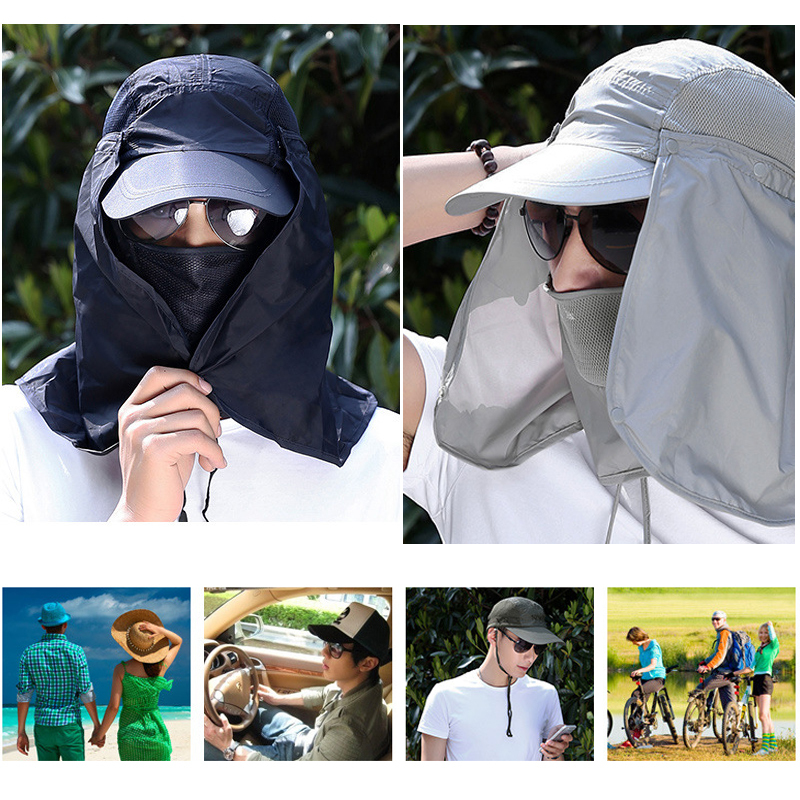
Selecting the right running hat or visor is not just about sun protection; it’s also about ensuring your comfort and minimizing distractions during your runs. A well-fitting piece of headwear will stay in place, feel light, and allow you to focus on your performance without any annoying adjustments or discomfort.When choosing running headwear, prioritizing fit and comfort is paramount for an enjoyable and effective running experience.
Improperly fitted headwear can lead to chafing, pressure points, and a constant need to readjust, detracting from your focus and overall enjoyment of your run.
Measuring Head Circumference for Accurate Sizing
Accurate head measurement is the first step to finding headwear that fits perfectly. This ensures that your hat or visor will be snug enough to stay put without being too tight, which could cause discomfort.To measure your head circumference:
- Obtain a flexible measuring tape, like one used for sewing.
- Position the tape measure around your head, about one inch (2.5 cm) above your eyebrows and ears.
- Ensure the tape is level and snug, but not tight.
- Read the measurement in inches or centimeters.
- Compare this measurement to the sizing charts provided by hat and visor manufacturers. Most brands offer detailed size guides to help you find the best fit.
Some brands may offer adjustable features, such as Velcro straps or internal drawcords, which can provide a few extra centimeters of flexibility within a given size.
Lightweight Design for Optimal Performance
The weight of your running headwear can significantly impact your comfort, especially during warmer weather or longer runs. A lightweight design helps to prevent overheating and reduces the feeling of pressure on your head.Heavy or bulky headwear can trap heat, leading to increased sweating and a less comfortable experience. Opting for materials like polyester, nylon, or blends known for their breathability and lightness will contribute to a cooler and more pleasant run.
Many performance running hats and visors are specifically engineered with minimal weight in mind, often featuring streamlined designs and breathable fabrics.
Testing Fit and Stability Before Purchase
Before committing to a purchase, it’s essential to test the fit and stability of the headwear. This is best done in person at a retail store.To test the fit and stability:
- Try the hat or visor on and adjust it to its most comfortable setting.
- Gently shake your head from side to side and nod to see if the headwear shifts or feels loose.
- Perform a few light jumping jacks or jogging in place to simulate movement. The headwear should remain securely in place without any slipping.
- Check for any pressure points or areas that feel too tight, particularly around the forehead or ears.
- Ensure the brim of a hat or visor does not obstruct your peripheral vision.
If purchasing online, carefully review the return policy. Many reputable online retailers offer hassle-free returns, allowing you to try the headwear at home and return it if the fit is not satisfactory.
Proper Wearing Technique for Maximum Effectiveness
Wearing your running hat or visor correctly ensures that it provides optimal sun protection and remains comfortable throughout your activity. The way you position it can affect its functionality and how it feels.To properly wear a running hat or visor:
- Positioning: Place the hat or visor on your head so that it sits comfortably and securely. For hats, ensure the brim is positioned to shield your eyes and face from the sun. For visors, align the band comfortably around your head and adjust the brim to cover your eyes.
- Adjustment: Utilize any adjustment features, such as a buckle, Velcro strap, or drawstring, to achieve a snug yet comfortable fit. The headwear should not feel like it’s constricting your head or feel loose enough to fall off during movement.
- Brim Angle: For hats and visors with adjustable brims, slightly angle the brim downwards to provide maximum shade for your face and the bridge of your nose.
- Ear Coverage (Hats): If your hat has ear flaps or a longer back, ensure they are positioned to offer protection without interfering with your hearing or comfort.
- Chin Strap (if applicable): If your headwear includes a chin strap, ensure it is fastened securely but comfortably to prevent the hat from being blown away by strong winds, especially during outdoor activities.
By following these steps, you can ensure your running headwear is not only a stylish accessory but also a functional piece of gear that enhances your comfort and protects you from the sun’s harmful rays.
Specific Needs for Different Running Environments
Navigating the diverse world of running often means adapting your gear to the unique challenges posed by different terrains and environmental conditions. Sun protection is no exception, and what works perfectly for a shaded park run might be inadequate for a sun-drenched mountain trail. Understanding these nuances will ensure you remain comfortable, protected, and focused on your performance, no matter where your feet take you.The intensity of sun exposure and the physical demands of various running environments necessitate tailored approaches to headwear selection.
From the relentless glare of open roads to the dappled shade of forest trails, and from sweltering humidity to brisk winds, your choice of running hat or visor plays a crucial role in maintaining optimal body temperature and preventing sunburn.
Trail Running versus Road Running Sun Protection Requirements
Trail running often involves a dynamic interplay of sunlight and shade, with tree cover, canyons, and varying elevations creating unpredictable exposure levels. This contrasts with road running, which typically presents more consistent and intense direct sunlight, especially in open areas. Trail runners may benefit from headwear that offers broader coverage and is less prone to being dislodged by uneven terrain, while road runners might prioritize maximum ventilation and a secure fit against wind resistance.For trail running, a hat with a wider brim can provide more comprehensive shade for the face, neck, and ears, which is particularly beneficial when moving through areas with less overhead cover.
However, a brim that is too wide can obstruct vision on technical descents. Therefore, a balance is key, with many trail-specific hats featuring a slightly shorter, more structured brim at the front and sometimes a slightly longer, softer brim at the back for neck protection. The material should also be breathable and quick-drying to manage sweat, which can be more profuse due to increased exertion on inclines.Road running often benefits from visors or caps that prioritize airflow.
A cap with large mesh panels or a visor with an open crown design allows for maximum heat dissipation, which is critical when running in direct sun for extended periods. The fit is paramount to prevent the headwear from shifting due to the wind generated by your pace or passing vehicles.
Headwear for Running in Hot and Humid Climates
In hot and humid conditions, the primary goal of running headwear is to manage heat and moisture effectively. The sun’s rays intensify the heat experienced by the body, and humidity prevents sweat from evaporating efficiently, hindering the body’s natural cooling process. Therefore, headwear that actively wicks away sweat and promotes airflow is essential.Look for hats and visors made from lightweight, moisture-wicking fabrics like polyester blends, nylon, or specialized synthetic materials designed for performance wear.
These fabrics draw sweat away from the skin to the outer surface of the fabric, where it can evaporate more readily. Designs with ample ventilation, such as large mesh panels or an open-crown construction (in the case of visors), are highly advantageous. Some hats incorporate cooling technologies, like sweatbands treated with cooling agents or fabrics with UPF ratings that also reflect solar heat.
Considerations for Selecting Headwear for Running in Windy Conditions
Wind can be a significant factor affecting the comfort and security of your running headwear. A hat or visor that is not adequately secured can be blown off, creating a distraction and potential safety hazard, especially on exposed routes. The design and fit become critical in windy environments.For windy conditions, a snug-fitting cap with an adjustable strap at the back is often the most reliable choice.
Straps made of elasticated material can provide a more secure and comfortable fit that adapts to head movements. Visors can be more susceptible to being caught by the wind, but those with a wider, more rigid brim and a secure fastening system can still be effective. Some hats are designed with a more aerodynamic profile to reduce wind resistance. It’s also worth considering hats with ear coverage that can be tucked in or secured, as wind can be particularly irritating to the ears.
Importance of Visibility Features on Headwear for Early Morning or Evening Runs
Running during dawn or dusk, or in low-light conditions, significantly increases the risk of not being seen by motorists, cyclists, or other pedestrians. Headwear with integrated visibility features can dramatically enhance your safety by making you more conspicuous.Bright, fluorescent colors such as neon yellow, orange, or pink are highly effective in low-light conditions. Many running hats and visors also incorporate reflective elements, such as strips, logos, or piping.
These elements are designed to catch and reflect light from external sources, such as headlights, making you more visible from a distance. Some specialized headwear even includes integrated LED lights for maximum visibility in complete darkness.
Recommended Headwear Types for Various Weather and Terrain Scenarios
Choosing the right headwear can significantly enhance your running experience and safety across different conditions. The following table Artikels recommended options based on common running scenarios.
| Scenario | Terrain | Weather | Recommended Headwear Type | Key Features |
|---|---|---|---|---|
| General Road Running | Paved roads, sidewalks | Sunny, warm | Lightweight Cap or Visor | Excellent ventilation, moisture-wicking fabric, secure fit, UPF protection |
| Trail Running | Dirt paths, rocky trails, forests | Sunny, varied shade | Cap with wider brim or bucket hat | Broader sun coverage (face, neck), durable, quick-drying material, secure fit for uneven terrain |
| Hot & Humid Conditions | Any | High heat, high humidity | Highly breathable cap or visor with maximum ventilation | Superior moisture-wicking, open-crown design (visor), light colors to reflect heat |
| Windy Conditions | Exposed roads, open fields | Breezy to strong winds | Snug-fitting cap with adjustable strap | Secure fit, elasticated strap, potentially a slightly lower profile to reduce wind resistance |
| Low-Light Running (Dawn/Dusk) | Any | Dim light, overcast | Brightly colored cap or visor with reflective elements | High-visibility colors (neon, fluorescent), integrated reflective strips or logos |
| Cold & Sunny Conditions | Any | Cool temperatures, bright sun | Cap with ear coverage or a beanie with moisture-wicking properties | Protection from sun and cold, breathability to manage sweat, potential for ear flaps |
Care and Maintenance of Running Headwear
Proper care and maintenance are crucial for ensuring your running hat or visor continues to offer optimal sun protection and comfort throughout its lifespan. Regular cleaning and appropriate storage will help preserve the fabric’s integrity, its sun-blocking properties, and prevent the buildup of sweat and odor.Adhering to specific care instructions based on the material of your running headwear will significantly impact its longevity and performance.
Different fabrics require distinct cleaning methods to avoid damage, which can compromise their effectiveness.
Cleaning Running Headwear
The method of cleaning your running hat or visor should be tailored to its material to prevent damage to the fabric and its protective features. Gentle cleaning is often recommended to preserve the integrity of sun-protective coatings and the overall structure of the headwear.For most synthetic materials commonly found in running hats and visors, such as polyester and nylon, hand washing is the preferred method.
This involves using cool or lukewarm water and a mild detergent. Avoid harsh chemicals or bleach, as these can degrade the fabric and diminish its sun-protective capabilities.For more durable materials or those with specific care tags, machine washing on a delicate cycle with cold water may be an option. Always place hats and visors in a mesh laundry bag to protect them from snagging or stretching.
Always check the care label on your running headwear for specific washing instructions.
Sweat stains and odor buildup are common issues for running headwear. For stubborn sweat stains, a pre-treatment with a stain remover designed for athletic wear or a paste of baking soda and water can be effective. For odor, soaking the headwear in a solution of equal parts white vinegar and water for about 30 minutes before washing can help neutralize smells.
Ensure thorough rinsing to remove any vinegar residue.
Drying Running Headwear
Proper drying techniques are essential to maintain the shape and material integrity of your running headwear. Exposure to high heat can cause shrinkage, warping, or damage to the fabric and any attached embellishments.Air drying is the most recommended method for all types of running hats and visors. After washing, gently reshape the headwear and lay it flat on a clean towel or hang it on a line away from direct sunlight.
Avoid using a clothes dryer, as the heat can be detrimental. For hats with a structured brim, consider placing them over a suitable object, like a bowl or a hat form, to help them retain their shape while drying.
Never place your running headwear in a clothes dryer.
If you need to speed up the drying process, you can blot excess water with a towel and then allow it to air dry. For visors, ensure the band is also completely dry to prevent mildew.
Storing Running Headwear
Correct storage practices are vital for preserving the shape, cleanliness, and protective qualities of your running headwear when it’s not in use. Improper storage can lead to deformation, dust accumulation, and potential damage.When storing your running hats and visors, it’s best to keep them in a cool, dry place away from direct sunlight. Sunlight can fade colors and degrade UV-protective coatings over time.
For hats, consider storing them in a way that maintains their crown shape, such as on a hat rack or by stuffing the crown with acid-free tissue paper. Visors can be hung on hooks or stored in a drawer where they won’t be crushed.Avoid storing headwear in plastic bags for extended periods, as this can trap moisture and lead to mildew.
If you are traveling, consider using a hat box or a dedicated travel case to protect your headwear from being damaged in your luggage.
Maintenance Schedule for Running Headwear
Establishing a regular maintenance schedule ensures that your running headwear remains in optimal condition for all your runs. The frequency of cleaning and maintenance will depend on how often you use the headwear and the intensity of your runs.* After Every Run:
Allow the headwear to air out to prevent moisture buildup and odor.
Gently wipe down any visible sweat marks with a damp cloth.
* Weekly (or Bi-Weekly, depending on usage):
Perform a gentle hand wash with mild detergent and cool water.
Address any specific stains or odor issues as needed.
Ensure thorough rinsing.
* Monthly:
Inspect the headwear for any signs of wear and tear, such as loose stitching or fading.
Check the integrity of the brim on visors.
* Seasonally (or as needed):
Deep clean the headwear if it has been subjected to heavy soiling or prolonged use.
Ensure the headwear is completely dry before storing for extended periods.
This schedule serves as a guideline; adjust it based on your personal usage and the specific needs of your running headwear.
Final Conclusion
![8 Best Running Hats for Sun Protection [2025 Reviews]](https://langkahbijak.web.id/wp-content/uploads/2025/09/running-hat.jpg "8 Best Running Hats for Sun Protection [2025 Reviews]")
In conclusion, selecting the appropriate running hat or visor is a vital aspect of preparing for outdoor activities. By considering factors like brim width, material composition, fit, and specific environmental needs, you can find headwear that offers superior sun protection and enhances your overall comfort. Proper care and maintenance will further ensure the longevity and effectiveness of your chosen gear, allowing you to focus on your run with confidence and peace of mind.