Embarking on the journey to improve your running form begins with a fundamental element: a strong core. This comprehensive guide, ‘How to Build a Strong Core for a Better Running Posture,’ will illuminate the critical role your core plays in achieving optimal biomechanics, enhancing efficiency, and significantly reducing the risk of injury.
We will explore the essential muscle groups that form the foundation of a runner’s core, delve into practical methods for assessing your current core fitness, and provide structured routines for both foundational and advanced strengthening exercises. Furthermore, we’ll discuss how to seamlessly integrate core work into your existing training schedule, offer specific exercises to directly improve posture, and highlight the power of breathing techniques and appropriate progression to unlock your full running potential.
Understanding Core Strength for Runners
A strong and stable core is not merely an accessory for runners; it is the very foundation upon which efficient and powerful running is built. Often misunderstood as just abdominal muscles, the core is a complex network of muscles that stabilize the spine and pelvis, acting as a crucial link between the upper and lower body. When this system is robust, it translates directly into a more controlled, powerful, and injury-resistant stride.The core’s primary function in running is to provide a stable platform from which the limbs can move effectively.
Without adequate core engagement, the body resorts to compensatory movements, leading to wasted energy and increased stress on joints and muscles. This lack of stability can manifest as excessive hip drop, an uncontrolled torso rotation, or a general feeling of being “unconnected” during the run.
The Running Core Muscle Groups
The muscles that constitute the “running core” extend beyond the superficial abdominal muscles and include a deep, integrated system of stabilizers. A comprehensive understanding of these muscle groups is essential for targeted strengthening.The primary muscle groups that form the running core include:
- Transverse Abdominis: This deep abdominal muscle acts like a natural corset, providing internal pressure and stabilizing the spine and pelvis.
- Obliques (Internal and External): Located on the sides of the abdomen, these muscles control rotational movements of the torso and assist in lateral flexion.
- Rectus Abdominis: Commonly known as the “six-pack” muscles, they are involved in flexing the spine, but in running, their role is more about maintaining posture and resisting excessive arching.
- Erector Spinae: A group of muscles running along the spine, they are crucial for maintaining an upright posture and preventing the torso from collapsing forward.
- Multifidus: Small but powerful muscles deep within the back that provide segmental spinal stability.
- Gluteal Muscles (Gluteus Maximus, Medius, and Minimus): While often considered part of the lower body, the glutes are integral to core stability, particularly in controlling pelvic tilt and preventing excessive hip drop during the single-leg stance phase of running.
- Pelvic Floor Muscles: These muscles at the base of the pelvis contribute to overall core stability and support internal organs.
Impact of Core Engagement on Running Posture and Efficiency
Effective core engagement is directly proportional to improved running posture and enhanced efficiency. When the core muscles are actively engaged, they create a rigid cylinder that supports the spine and pelvis, allowing for a more upright and aligned running posture. This alignment minimizes unnecessary movement and energy leakage.A well-engaged core allows for:
- Upright Torso: Prevents slouching, which can restrict breathing and lead to inefficient stride.
- Reduced Hip Drop: Stabilizes the pelvis, ensuring a smoother transfer of power from the glutes and legs.
- Controlled Rotation: Facilitates a controlled, rhythmic rotation of the torso, which aids in momentum generation and arm swing.
- Minimized Sway: Reduces excessive side-to-side movement of the upper body, conserving energy.
The direct result of these improvements is a more economical stride, meaning you can run faster or for longer distances with less perceived effort.
Benefits of a Well-Developed Core for Injury Prevention
The link between a strong core and injury prevention for runners is well-established. A robust core acts as a shock absorber and stabilizer, mitigating the repetitive impact forces inherent in running. By controlling excessive movement and maintaining proper alignment, the core reduces stress on vulnerable areas.Key benefits for injury prevention include:
- Reduced Risk of Lower Back Pain: A strong core supports the lumbar spine, preventing hyperextension and strain.
- Prevention of Hip and Knee Injuries: By stabilizing the pelvis and controlling hip movement, the core helps prevent common issues like IT band syndrome and runner’s knee, which are often exacerbated by poor biomechanics stemming from core weakness.
- Improved Foot Strike and Gait: A stable core promotes a more consistent and efficient gait cycle, reducing the likelihood of overuse injuries in the feet and ankles.
- Enhanced Balance and Stability: A strong core improves overall body control, reducing the risk of falls and twists, especially on uneven terrain.
Consider a runner experiencing consistent shin splints. While the issue might seem isolated to the lower leg, a weak core can lead to a compensatory gait where the foot strikes the ground with excessive force or at an awkward angle, ultimately transferring that stress upwards. Strengthening the core can correct this underlying biomechanical issue, alleviating the symptom.
Assessing Current Core Fitness

Before embarking on a core strengthening program, it’s essential to understand your starting point. Assessing your current core fitness allows you to identify specific areas of weakness and track your progress effectively. This self-assessment involves a series of simple exercises and observations that can be performed in the comfort of your own home.By understanding your current core capabilities, you can tailor your training to address your unique needs, leading to more efficient and effective improvements in your running posture and performance.
This section will guide you through practical methods to gauge your core stability, endurance, and identify potential postural imbalances.
Core Stability Self-Assessment Exercises
To gauge your core stability, a fundamental aspect of a strong running posture, several simple self-assessment exercises can be performed. These movements help reveal how well your core muscles can stabilize your spine and pelvis during various actions.
- Bird-Dog: Start on your hands and knees, ensuring your wrists are directly beneath your shoulders and your knees are beneath your hips. Keep your back flat and your core engaged. Slowly extend your right arm forward and your left leg backward, maintaining a stable torso and hips. Avoid tilting your hips or arching your back. Hold for a few seconds, then return to the starting position and repeat on the opposite side.
Aim for controlled movement and minimal rocking.
- Glute Bridge: Lie on your back with your knees bent and feet flat on the floor, hip-width apart. Engage your core and glutes, then lift your hips off the ground until your body forms a straight line from your shoulders to your knees. Avoid overextending your back. Hold for a few seconds, focusing on squeezing your glutes, and then slowly lower your hips back down.
- Dead Bug: Lie on your back with your knees bent at a 90-degree angle over your hips and your arms extended towards the ceiling. Keeping your lower back pressed into the floor, slowly lower your right arm towards the floor behind your head and extend your left leg straight out, hovering it just above the ground. Maintain core engagement and avoid arching your back.
Return to the starting position and repeat with the opposite arm and leg.
Core Endurance Measurement: Plank Variations
Measuring core endurance is crucial for runners, as sustained core engagement is vital for maintaining good posture throughout a run. The plank and its variations are excellent tools for assessing this endurance. The key is to maintain proper form throughout the hold.To perform a standard forearm plank, position yourself on your forearms and toes, ensuring your elbows are directly beneath your shoulders and your body forms a straight line from your head to your heels.
Engage your core, glutes, and quads, and avoid letting your hips sag or rise too high. Hold this position for as long as you can maintain perfect form.Here are some plank variations to further assess your endurance and identify specific muscle engagement:
- Forearm Plank: As described above, this is the foundational exercise. Focus on maintaining a rigid, straight line.
- High Plank (Push-up Position): Similar to the forearm plank, but you’ll be on your hands with arms extended, wrists beneath shoulders. This variation engages the shoulders and triceps more actively.
- Side Plank: Lie on your side, propped up on one forearm with your elbow directly under your shoulder. Stack your feet or place one foot in front of the other. Lift your hips off the ground, creating a straight line from your head to your feet. Engage your obliques and glutes. Hold for time on each side.
- Plank with Leg Lift: From a forearm or high plank, slowly lift one leg a few inches off the ground, keeping your hips stable and square to the floor. Hold briefly, then lower and switch legs. This adds an element of dynamic stability.
During these holds, note any wobbling, hip dropping, or the urge to arch your back. These are indicators of muscular fatigue and potential core weakness.
Observing Body Alignment During Basic Movements
Identifying weaknesses in your core can also be achieved by carefully observing your body alignment during everyday movements. Your core is responsible for stabilizing your trunk, and its inefficiencies will often manifest as compensatory movements elsewhere in your body.Pay attention to how your body moves during these simple actions:
- Bending Over: When bending to pick something up, do you round your back significantly, or can you maintain a relatively neutral spine by hinging at your hips? A tendency to round the back suggests a lack of core control to support the spine.
- Standing Up from a Chair: Do you lean forward excessively and use your arms to push off, or can you stand up with minimal effort, driven by your leg and glute muscles with a stable torso? Difficulty standing without leaning or using arms can indicate a weak anterior core.
- Walking and Turning: Notice if your upper body remains relatively stable when you turn your head or torso while walking. Excessive torso rotation or a feeling of instability in your hips and pelvis might point to core issues.
- Reaching: When reaching for an object, observe if your core remains engaged to prevent your torso from twisting or bending unnaturally.
The goal is to achieve a sense of controlled, stable movement originating from your center. Any perceived instability, excessive tilting, or reliance on other muscle groups to compensate suggests a need for core strengthening.
Common Postural Imbalances in Runners Due to a Weak Core
A weak core can significantly impact a runner’s posture, leading to a cascade of imbalances that affect efficiency, performance, and increase the risk of injury. The core’s role is to provide a stable platform for the limbs to move efficiently. When this platform is compromised, the body adapts in ways that are often detrimental.Common postural imbalances observed in runners with a weak core include:
- Anterior Pelvic Tilt: This is characterized by the front of the pelvis tilting downwards and the back tilting upwards. It often results in an exaggerated lower back curve (lordosis) and can lead to tightness in the hip flexors and lower back pain. The weakened abdominal muscles are unable to counteract the pull of the back extensors and hip flexors.
- Posterior Pelvic Tilt: Conversely, this involves the back of the pelvis tilting downwards and the front tilting upwards, leading to a flattened lower back. This can restrict hip mobility and place undue stress on the hamstrings and knees.
- Excessive Torso Rotation: Without a stable core to control the trunk, runners may compensate by rotating their torso excessively with each stride. This can lead to inefficient energy transfer, strain on the spine, and potential issues in the shoulders and hips.
- Forward Head Posture: A weak core can contribute to a general lack of postural integrity, leading the head to drift forward as the body tries to maintain balance. This places strain on the neck and upper back muscles.
- Asymmetrical Loading: When the core is weak, one side of the body might take on more load than the other, leading to imbalances in stride length, foot strike, and an increased risk of overuse injuries on the dominant side.
These imbalances not only affect how you look when standing still but, more importantly, how efficiently and safely you run. Addressing these through targeted core strengthening is paramount for improving running posture and preventing injuries.
Foundational Core Strengthening Exercises

Building a strong core is paramount for runners, providing the stability and power needed for efficient and injury-free strides. This section introduces a beginner-friendly routine of bodyweight exercises designed to awaken and strengthen your deep core muscles, laying the groundwork for improved running posture and performance. These exercises are fundamental and can be progressed as your strength and control increase.To effectively engage your core, focus on controlled movements and mindful breathing.
Each exercise targets different aspects of core stability, from anti-extension to anti-rotation and anti-lateral flexion. By mastering these foundational movements, you’ll develop a robust core that supports your spine, enhances power transfer from your legs, and reduces the risk of common running ailments.
Dead Bug Exercise
The dead bug is an excellent exercise for developing core stability and learning to dissociate limb movement from pelvic and spinal stability. It’s called the “dead bug” because the starting position resembles an insect lying on its back with its legs in the air. This exercise teaches you to maintain a neutral spine while moving your limbs, a crucial skill for runners.To perform the dead bug exercise with proper form:
- Lie on your back with your knees bent at a 90-degree angle, shins parallel to the floor, and arms extended straight up towards the ceiling. This is your starting position.
- Engage your core by gently drawing your belly button towards your spine, ensuring your lower back remains pressed lightly into the floor, avoiding any arching.
- Slowly extend your right arm back over your head and simultaneously extend your left leg straight out, hovering it just above the floor. Maintain core engagement and prevent your lower back from lifting off the floor.
- Return your right arm and left leg to the starting position with control.
- Repeat the movement on the opposite side, extending your left arm and right leg.
- Continue alternating sides for the desired number of repetitions or time.
Focus on a slow, controlled descent and ascent of your limbs, prioritizing maintaining contact between your lower back and the floor. If you find your back arching, reduce the range of motion of your limbs.
Bird-Dog Exercise
The bird-dog exercise is a highly effective exercise for improving core stability, balance, and coordination, while also strengthening the muscles of the back, glutes, and shoulders. It challenges your ability to resist rotation and maintain a stable trunk, which directly translates to better posture and efficiency in running.To perform the bird-dog exercise with an emphasis on control:
- Begin on your hands and knees, with your hands directly beneath your shoulders and your knees directly beneath your hips. Ensure your spine is in a neutral position, not arched or rounded.
- Engage your core by drawing your belly button towards your spine. This is your anchor point.
- Slowly extend your right arm straight forward and your left leg straight back simultaneously. Keep your hips level and avoid any rotation of your torso. Imagine balancing a glass of water on your lower back.
- Extend your limbs only as far as you can while maintaining a stable core and neutral spine. The goal is not to reach as far as possible, but to maintain control.
- Hold the extended position for a moment, focusing on the engagement of your core and glutes.
- Return your arm and leg to the starting position with control, ensuring no sudden movements.
- Repeat the movement on the opposite side, extending your left arm and right leg.
- Continue alternating sides for the desired number of repetitions.
The key to this exercise is deliberate movement and maintaining a steady torso. Avoid lifting your leg too high, which can cause your pelvis to tilt and compromise your core engagement.
Glute Bridge Exercise
The glute bridge is a fundamental exercise that effectively targets the gluteal muscles and hamstrings, while also promoting core activation and pelvic stability. Strong glutes are crucial for runners, as they power hip extension, improve stride length, and help prevent injuries by stabilizing the pelvis.To perform a basic glute bridge, focusing on core activation:
- Lie on your back with your knees bent and feet flat on the floor, hip-width apart. Your feet should be close enough to your glutes to feel a stretch in your hamstrings.
- Place your arms by your sides with palms facing down.
- Engage your core by drawing your belly button towards your spine.
- Squeeze your glutes and lift your hips off the floor until your body forms a straight line from your shoulders to your knees. Avoid arching your lower back; the movement should originate from your glutes.
- At the top of the movement, actively press your heels into the floor to further engage your glutes and hamstrings.
- Hold this position for a moment, focusing on maintaining core engagement and feeling the squeeze in your glutes.
- Slowly lower your hips back to the starting position with control.
- Repeat for the desired number of repetitions.
Pay attention to the feeling in your glutes. If you feel more activation in your hamstrings or lower back, adjust your foot placement or focus on squeezing your glutes more forcefully at the top.
Weekly Progression Plan for Foundational Core Exercises
To build a consistently strong core, a structured approach to these foundational exercises is recommended. This plan Artikels a beginner-friendly weekly progression, allowing your body to adapt and strengthen over time. Consistency is key to seeing significant improvements in your running posture and overall performance.Here is a sample weekly progression plan:
| Week | Day 1 | Day 2 | Day 3 | Day 4 | Day 5 | Day 6 | Day 7 |
|---|---|---|---|---|---|---|---|
| Week 1 | Dead Bug: 2 sets of 8 reps per side | Rest | Glute Bridge: 2 sets of 10 reps | Rest | Bird-Dog: 2 sets of 6 reps per side | Rest | Rest |
| Week 2 | Dead Bug: 3 sets of 10 reps per side | Rest | Glute Bridge: 3 sets of 12 reps | Rest | Bird-Dog: 3 sets of 8 reps per side | Rest | Rest |
| Week 3 | Dead Bug: 3 sets of 12 reps per side | Rest | Glute Bridge: 3 sets of 15 reps | Rest | Bird-Dog: 3 sets of 10 reps per side | Rest | Rest |
| Week 4 | Dead Bug: 3 sets of 15 reps per side | Rest | Glute Bridge: 3 sets of 15 reps, hold for 2 seconds at the top | Rest | Bird-Dog: 3 sets of 12 reps per side | Rest | Rest |
As you progress, you can increase the repetitions, add an extra set, or hold the exercises for a longer duration. Once these exercises become easy, you can explore variations or introduce more challenging core movements. Listen to your body and adjust the plan as needed.
Advanced Core Exercises for Enhanced Running Posture
Having established a solid foundation with basic core strengthening, it’s time to introduce more dynamic and challenging exercises that directly translate to improved running posture and efficiency. These advanced movements focus on enhancing rotational stability, strengthening the often-neglected oblique muscles, and improving your body’s ability to resist unwanted movements during your stride. By progressively challenging your core, you’ll build resilience and power, leading to a more sustainable and effective running form.As runners, we experience a great deal of rotational force through our torso with each stride.
The ability of our core to control and stabilize this rotation is paramount for efficient power transfer and injury prevention. The following exercises are designed to specifically target these demands, building upon the strength you’ve already developed.
Russian Twists for Rotational Stability
The Russian twist is an excellent exercise for developing rotational strength and stability in the core, particularly targeting the obliques and rectus abdominis. This controlled rotation is crucial for maintaining an upright posture and preventing excessive torso sway while running, allowing for a more powerful and efficient stride.To perform a Russian twist:
- Sit on the floor with your knees bent and feet flat on the ground. For an increased challenge, you can lift your feet slightly off the ground.
- Lean back slightly, maintaining a straight back, to engage your abdominal muscles.
- Clasp your hands together or hold a weight (dumbbell, medicine ball, or kettlebell) in front of your chest.
- Slowly rotate your torso to one side, bringing the weight or your hands towards the floor beside your hip. Keep your hips relatively stable and focus the movement in your torso.
- Pause briefly at the end of the movement, feeling the contraction in your obliques.
- Rotate to the other side, following the same controlled motion.
- Continue alternating sides for the desired number of repetitions or time. Aim for controlled, deliberate movements rather than speed.
The key to maximizing the benefits of the Russian twist is to maintain a stable base with your hips and focus the rotation in your upper body. Imagine your hips are fixed, and you are twisting your rib cage.
Side Plank with Leg Lifts for Oblique Strength
The side plank with leg lifts is a highly effective exercise for isolating and strengthening the oblique muscles, which play a vital role in stabilizing the pelvis and torso during the running motion. Strong obliques help prevent excessive hip drop and maintain an aligned running posture, reducing the risk of imbalances and injuries.To perform a side plank with leg lifts:
- Begin in a standard side plank position, supporting your body on your forearm and the side of your foot. Ensure your body forms a straight line from your head to your heels, with your hips stacked directly on top of each other.
- Engage your core and glutes to maintain this stable position.
- While maintaining the side plank, slowly lift your top leg a few inches off the bottom leg. Focus on keeping your hips as still as possible and avoid letting them roll forward or backward.
- Hold the lifted leg for a moment, feeling the engagement in your oblique muscles.
- Slowly lower the leg back down with control.
- Repeat for the desired number of repetitions on one side before switching to the other.
This variation adds an extra layer of challenge to the traditional side plank, demanding greater stability and control from your oblique muscles as they work to counteract the lifting motion of the leg.
Controlled Tempo Mountain Climbers for Dynamic Core Engagement
Mountain climbers, when performed with a controlled tempo, become a powerful exercise for dynamic core engagement, mimicking the reciprocal leg motion of running while demanding significant anti-extension and anti-rotation control. This exercise strengthens the entire core, including the abdominals, obliques, and lower back, and improves cardiovascular endurance.To perform controlled tempo mountain climbers:
- Start in a high plank position, with your hands directly beneath your shoulders and your body forming a straight line from head to heels.
- Engage your core to prevent your hips from sagging or rising too high.
- Slowly and deliberately bring one knee towards your chest, as if you were taking a controlled step.
- As you extend that leg back to the starting position, simultaneously bring the opposite knee towards your chest.
- Focus on maintaining a steady rhythm and keeping your hips as level as possible throughout the movement. Avoid any jerky motions or excessive hip rocking.
- Continue alternating legs in a controlled, rhythmic fashion for the prescribed duration or number of repetitions. The emphasis is on quality of movement and core engagement over speed.
The controlled tempo is crucial here. Instead of a rapid, jerky motion, aim for a smooth, deliberate transition between legs. This allows your core to work harder to stabilize your torso against the movement of your limbs.
Integrating Anti-Extension and Anti-Rotation Exercises
Improving your core’s ability to resist extension (arching of the lower back) and rotation is fundamental for a stable and efficient running posture. Exercises that challenge these specific functions help build a resilient core that can withstand the forces generated during running.To integrate anti-extension and anti-rotation into your routine:
- Anti-Extension: Exercises like the Plank (already covered in foundational exercises) and its variations (e.g., Stability Ball Plank) are excellent for anti-extension. Another effective exercise is the Dead Bug, which involves lying on your back and extending opposite arm and leg simultaneously while keeping your lower back pressed into the floor. The goal is to prevent your back from arching.
- Anti-Rotation: The Pallof Press is a prime example of an anti-rotation exercise. Using a cable machine or resistance band, you stand perpendicular to the anchor point and press the handle or band straight out in front of you, resisting the rotational pull. The Bird Dog exercise, also from foundational training, also has anti-rotational benefits as you extend opposite arm and leg while maintaining a stable torso.
By consciously incorporating exercises that specifically challenge your core’s ability to resist extension and rotation, you are directly training it to maintain a strong and aligned posture during the dynamic demands of running. This proactive approach can significantly enhance your running form and reduce the likelihood of developing compensatory patterns that lead to injury.
Integrating Core Work with Running Training
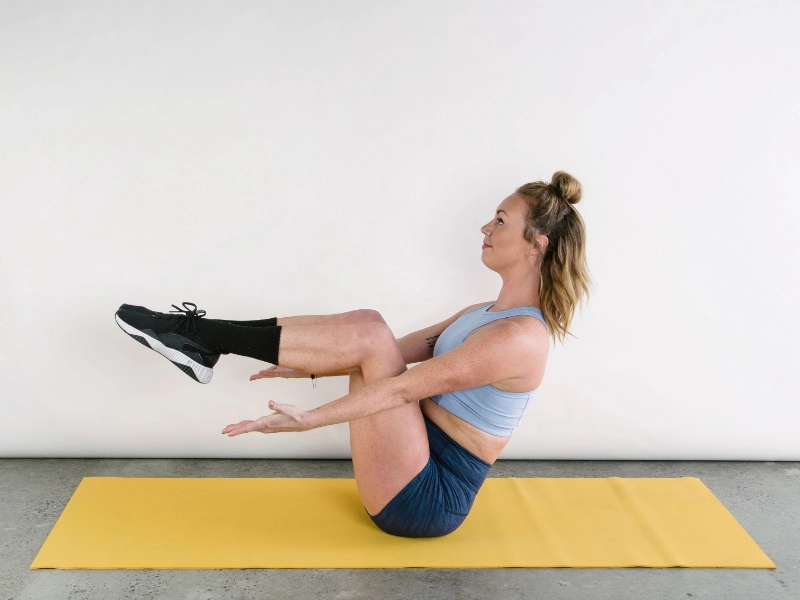
Effectively weaving core strengthening into your running routine is key to unlocking its full benefits. It’s not about adding a burden, but about strategically enhancing your performance and preventing injuries. This section will guide you through practical ways to integrate your core workouts, ensuring consistency and mindful progression.The principle of integration is to make core work a complementary part of your running life, not a separate chore.
This means finding the right balance, listening to your body, and building a sustainable habit that supports your running goals.
Strategies for Incorporating Core Sessions
Successfully integrating core work into your training schedule requires thoughtful planning. The goal is to complement, not compromise, your running performance. Consider the frequency and intensity of your running, and place core sessions on days that allow for adequate recovery. It is also beneficial to pair core work with lighter running days or rest days, rather than immediately before or after your most demanding runs.
- Frequency: Aim for 2-3 dedicated core sessions per week. These can be shorter, focused sessions rather than long, drawn-out workouts.
- Timing: Consider performing core exercises after your runs on easy or moderate days. This allows you to leverage your warm-up and ensures your core is engaged when your muscles are already primed. Alternatively, schedule them on rest days or on days with shorter, less intense runs.
- Session Length: Core workouts don’t need to be lengthy. Sessions of 15-25 minutes, focusing on quality over quantity, can be highly effective.
- Progression: As your core strength improves, you can gradually increase the duration, intensity, or complexity of your core exercises.
Sample Weekly Schedule
A well-structured weekly schedule can help you visualize where core training fits seamlessly. This sample schedule assumes a runner who trains 4-5 times per week, incorporating a mix of easy runs, tempo runs, and a long run.
Here is a sample weekly schedule:
| Day | Activity | Notes |
|---|---|---|
| Monday | Rest or Cross-Training | Optional light core work if feeling recovered. |
| Tuesday | Easy Run | Followed by 15-20 minutes of foundational core exercises. |
| Wednesday | Tempo Run | Focus on running form. No dedicated core session today. |
| Thursday | Rest or Active Recovery | Optional dedicated core session focusing on advanced exercises (20-25 minutes). |
| Friday | Easy Run | Followed by 15-20 minutes of foundational core exercises. |
| Saturday | Long Run | Focus on endurance. No dedicated core session today. |
| Sunday | Rest |
Importance of Consistency in Core Training
Consistency is the cornerstone of building lasting core strength and improving running posture. Sporadic efforts will yield minimal results, whereas a regular, sustained commitment will lead to significant and enduring benefits.
“Consistency in core training is not just about building strength; it’s about building a resilient and efficient running engine.”
Regular engagement with core exercises reinforces muscle memory, enhances neuromuscular control, and promotes continuous adaptation. This steady progress translates into a more stable pelvis, better posture, and improved power transfer during your runs, reducing the risk of fatigue-related breakdowns in form.
Listening to the Body and Adjusting Workouts
Your body provides valuable feedback on your training. Learning to interpret these signals is crucial for preventing overtraining and injury, and for optimizing your core workouts.
- Pain vs. Discomfort: Differentiate between muscle fatigue (a good kind of discomfort) and sharp or persistent pain. If you experience pain, stop the exercise and assess.
- Fatigue Levels: On days when you feel particularly fatigued from running, opt for lighter core exercises or reduce the duration of your session.
- Recovery: Ensure adequate rest between core sessions and running workouts. If you’re consistently feeling drained, it might be a sign that your integration strategy needs adjustment.
- Adaptation: As you get stronger, you may need to increase the difficulty or duration of your core exercises. Conversely, if you notice your form breaking down during exercises, it may be time to regress to simpler movements.
Warm-Up Routine with Dynamic Core Activation
A dynamic warm-up prepares your body for the demands of running by increasing blood flow, activating muscles, and improving mobility. Including dynamic core activation within this routine primes your core for stability and power.
Here is a sample dynamic warm-up routine that includes core activation:
- Light Cardio (5 minutes): Begin with a brisk walk or light jog to elevate your heart rate.
- Dynamic Stretches (5-7 minutes): Perform movements like leg swings (forward/backward and side-to-side), arm circles, and torso twists.
- Core Activation (5-7 minutes):
- Bird-Dog (10-12 reps per side): Start on all fours. Extend opposite arm and leg, keeping your core engaged and back flat.
- Glute Bridges (15-20 reps): Lie on your back with knees bent. Lift your hips off the ground, squeezing your glutes.
- Plank (30-60 seconds): Hold a plank position, ensuring your body forms a straight line from head to heels.
- Dead Bug (10-12 reps per side): Lie on your back with knees bent at 90 degrees and arms extended towards the ceiling. Lower opposite arm and leg simultaneously, keeping your lower back pressed into the floor.
- Running Drills (2-3 minutes): Incorporate drills like high knees, butt kicks, and strides to further prepare your running muscles.
This structured warm-up ensures your core is not only ready to stabilize but also to actively contribute to your running stride from the very first step.
Exercises for Improving Running Posture Directly
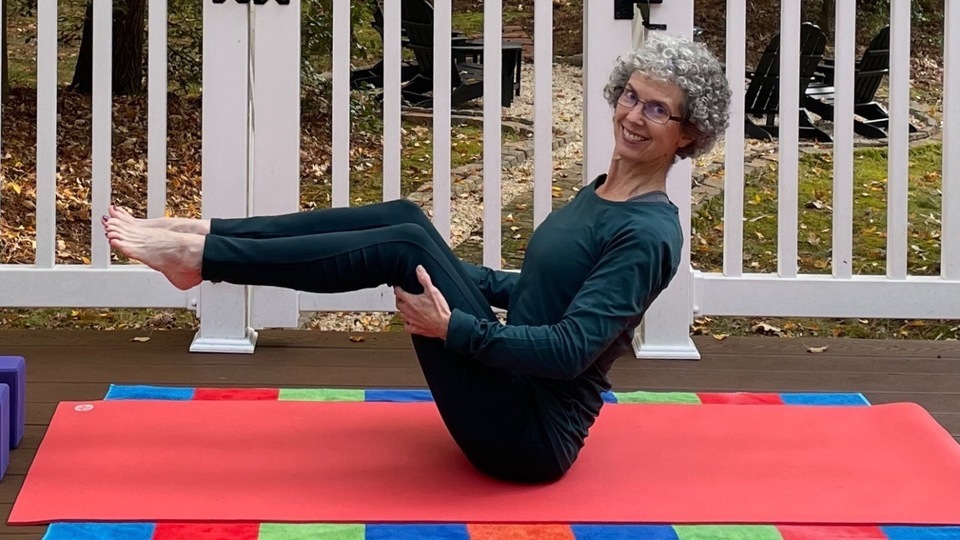
While foundational core strength is crucial, specific exercises can directly target and improve the postural habits that impact your running form. These movements focus on correcting common issues like a rounded upper back, forward head posture, and a collapsed chest, all of which can hinder efficiency and increase the risk of injury. By incorporating these targeted exercises, you can retrain your body for a more upright, powerful, and sustainable running posture.These exercises are designed to strengthen the muscles responsible for maintaining an upright stance and to improve the mobility needed for good posture.
They work by activating underused muscles and stretching tight ones, effectively counteracting the detrimental effects of prolonged sitting or poor habitual posture.
Exercises for Correcting Common Postural Issues in Runners
A variety of exercises can address the specific postural challenges runners often face. These target the posterior chain, upper back, and thoracic mobility to promote a more balanced and efficient running form.
- Chin Tucks: This simple exercise strengthens the deep neck flexors and helps to correct forward head posture. Lie on your back with your knees bent and feet flat on the floor. Gently draw your chin towards your chest, feeling a stretch at the back of your neck. Hold for 5 seconds and release. Repeat 10-15 times.
- Scapular Squeezes: These activate the rhomboids and middle trapezius muscles, which are essential for pulling the shoulders back and down. Sit or stand with good posture. Gently squeeze your shoulder blades together as if you are trying to hold a pencil between them. Hold for 5 seconds and release. Repeat 15-20 times.
- Pelvic Tilts: This exercise helps to re-establish a neutral pelvic position, which is fundamental for good posture. Lie on your back with knees bent and feet flat. Gently flatten your lower back against the floor by tilting your pelvis upwards. Hold for a few seconds and then release, allowing a small natural arch to return. Repeat 10-15 times.
- Bird-Dog: This exercise improves core stability and coordination while strengthening the back extensors and glutes. Start on your hands and knees, ensuring your wrists are under your shoulders and your knees are under your hips. Keep your back flat and core engaged. Simultaneously extend your right arm forward and your left leg backward, keeping them parallel to the floor. Hold for a few seconds, then return to the starting position.
Repeat on the opposite side. Perform 10-12 repetitions on each side.
The Superman Exercise and Posterior Chain Strength
The “superman” exercise is a highly effective way to strengthen the entire posterior chain, including the erector spinae muscles along the spine, the glutes, and the hamstrings. A strong posterior chain is vital for maintaining an upright running posture, preventing the lower back from rounding, and providing power during the push-off phase.To perform the superman exercise, lie face down on the floor with your arms and legs extended.
Simultaneously lift your arms, chest, and legs off the ground, engaging your glutes and lower back muscles. Imagine flying like Superman. Hold this lifted position for 2-5 seconds, focusing on squeezing your glutes and keeping your neck neutral. Slowly lower back to the starting position. Repeat for 10-15 repetitions.
Wall Angels for Upper Back Posture Improvement
Wall angels are an excellent exercise for improving upper back posture by increasing mobility in the thoracic spine and strengthening the muscles that retract the shoulder blades. This exercise counteracts the tendency for shoulders to round forward.To perform wall angels, stand with your back against a wall, feet a few inches away. Press your lower back, upper back, and head against the wall.
Bend your elbows to 90 degrees and raise your arms so your forearms and the backs of your hands are also touching the wall. Slowly slide your arms up the wall, maintaining contact with your back, arms, and hands. Go as high as you can without losing contact or arching your lower back excessively. Slowly slide your arms back down to the starting position.
Aim for 10-15 repetitions.
Thoracic Spine Mobility Exercises for an Upright Stance
A stiff or immobile thoracic spine (the mid-back area) often leads to compensatory rounding of the shoulders and an inability to maintain an upright running posture. Exercises that enhance thoracic spine mobility allow for greater extension and rotation, promoting a more open chest and an upright stance.One effective exercise is the Cat-Cow stretch. Start on your hands and knees. As you inhale, drop your belly towards the floor, arch your back, and lift your head and tailbone (Cow pose).
As you exhale, round your spine towards the ceiling, tuck your chin to your chest, and let your head drop (Cat pose). Flow smoothly between these two positions for 10-15 breaths, focusing on the movement originating from your mid-back.Another beneficial exercise is the Thread the Needle. Start on your hands and knees. Reach your right arm towards the ceiling, opening your chest and looking up towards your hand.
Then, thread your right arm under your left armpit, bringing your shoulder and the side of your head towards the floor. Hold for a breath or two, feeling a gentle stretch in your upper back and shoulder. Return to the starting position and repeat on the left side. Perform 5-8 repetitions on each side.
Rest Day Posture Maintenance Sequence
Incorporating a short sequence of movements on your rest days can significantly help in maintaining and improving your running posture. This routine focuses on gentle mobility, stretching, and activating key postural muscles.Perform this sequence on your rest days:
- Chin Tucks: 10-15 repetitions.
- Scapular Squeezes: 15-20 repetitions.
- Cat-Cow Stretch: 10-15 breaths.
- Wall Angels: 10-15 repetitions.
- Gentle Thoracic Rotation: Sit on the floor with your legs crossed. Place your left hand on your right knee and your right hand on the floor behind you. Gently twist your torso to the right, keeping your spine long. Hold for 5 breaths. Repeat on the left side.
Perform 2-3 repetitions on each side.
This sequence takes only a few minutes and can be done in the morning or evening to reinforce good postural habits and keep your muscles active and mobile.
Breathing Techniques for Core Engagement
Effective breathing is a cornerstone of core strength and plays a vital role in optimizing running posture. Beyond simply supplying oxygen, our breath is a powerful tool for engaging the deep stabilizing muscles of the core, enhancing performance, and preventing injury. Understanding and practicing specific breathing techniques can significantly improve your connection to your core, making it more responsive and resilient during your runs.
Diaphragmatic Breathing and Core Stability
Diaphragmatic breathing, often referred to as belly breathing, is the most efficient and fundamental way to engage the core. This technique involves using the diaphragm, a large, dome-shaped muscle located at the base of the chest cavity, to draw air deep into the lungs. As the diaphragm contracts and moves downward, it creates a vacuum that pulls air into the lungs.
This downward movement also gently pushes the abdominal contents outward, which is a key indicator of proper diaphragmatic engagement. This natural expansion and contraction of the abdomen, driven by the diaphragm, directly activates the deep core muscles, including the transversus abdominis and the pelvic floor. These muscles act as a natural corset, providing intrinsic stability to the spine and pelvis.
Activating Deep Core Muscles Through Breath
Consciously using your breath to engage the deep core muscles can be learned and refined. The key is to feel the subtle expansion and contraction of your abdomen, rather than shallow chest breathing.Here are practical methods for activating these muscles:
- Focus on the Inhale: As you inhale, consciously try to expand your belly outwards, as if you are inflating a balloon in your abdomen. Avoid lifting your chest or shoulders. You should feel a gentle outward pressure in your lower abdomen and sides.
- Engage on the Exhale: As you exhale, gently draw your navel towards your spine. This is not a forceful contraction, but a subtle tightening that engages the transversus abdominis. Imagine you are cinching a belt one notch tighter.
- Pelvic Floor Connection: While exhaling and drawing your navel in, also think about gently lifting and engaging your pelvic floor muscles. This is similar to the sensation of trying to stop the flow of urine.
- Maintain a Neutral Spine: Throughout these breathing cycles, focus on maintaining a neutral spine. Avoid overarching or flattening your lower back. The breath should support, not disrupt, your natural spinal alignment.
Breath Control and Endurance Enhancement
The ability to control your breathing is directly linked to your running endurance. Efficient diaphragmatic breathing ensures a consistent and ample supply of oxygen to your working muscles, delaying fatigue and improving stamina. When your breathing is shallow and rapid, your body becomes less efficient at oxygen uptake, leading to quicker exhaustion. By mastering controlled breathing, you can:
- Optimize Oxygen Delivery: Deeper breaths mean more oxygen entering the bloodstream with each respiratory cycle, fueling your muscles more effectively.
- Manage Effort Levels: Conscious breath control allows you to gauge and manage your perceived exertion, helping you maintain a sustainable pace for longer durations.
- Reduce Stress and Anxiety: Running can be mentally challenging. Controlled, deep breathing can help calm the nervous system, reducing stress and allowing for greater focus on your stride and form.
- Prevent Side Stitches: While not solely attributable to breathing, improper breathing patterns, such as shallow chest breathing, can contribute to side stitches. Diaphragmatic breathing can help alleviate this discomfort.
Daily Breathing Exercise for Core Awareness
Practicing a simple breathing exercise daily can significantly enhance your core awareness and control. This exercise is best performed in a quiet environment where you can focus without distractions.Here is a simple exercise to practice:
- Find a Comfortable Position: Lie on your back with your knees bent and feet flat on the floor. You can also practice this sitting upright in a chair with your back supported.
- Place Your Hands: Place one hand on your chest and the other on your belly, just below your rib cage. This will help you feel the movement of your diaphragm.
- Inhale Deeply: Inhale slowly and deeply through your nose, focusing on allowing your belly to rise. Your hand on your belly should move outwards, while the hand on your chest should remain relatively still. Aim for a full, relaxed inhale.
- Exhale Gently: Exhale slowly through your mouth, gently drawing your navel towards your spine. Feel your belly fall.
- Repeat and Focus: Repeat this cycle for 5-10 minutes. Pay close attention to the sensations in your abdomen and the engagement of your core muscles. Gradually, you will develop a greater awareness of your breath and its connection to your core.
This consistent practice will build a strong foundation for engaging your core naturally during your runs, leading to improved posture and performance.
Equipment and Progression for Core Training
Elevating your core strength training involves strategically incorporating readily available items and understanding how to gradually increase the challenge. This section will guide you through leveraging everyday objects, specific tools like resistance bands and stability balls, and designing a progressive plan to ensure continuous improvement in your running posture.
Household Items for Enhanced Core Exercises
Many common household items can be effectively repurposed to add resistance, instability, or support to your core exercises, making them more dynamic and beneficial for runners. These simple tools can help you achieve a more comprehensive workout without the need for specialized gym equipment.
- Towel: Can be used for exercises like sliding mountain climbers or pikes on a smooth floor, increasing the challenge by requiring more stabilization. It can also be placed under your hands or feet for added comfort or slight instability during planks and push-ups.
- Stairs: Offer a natural incline for exercises like step-ups with a core twist or calf raises that engage the stabilizing muscles of the core.
- Chair or Sturdy Table: Provides a stable surface for elevated push-ups, dips, or Bulgarian split squats, all of which engage the core to maintain balance and proper form. It can also be used for inverted rows, which also work the posterior chain and core.
- Water Bottles or Cans: When filled with water or sand, these can serve as light weights for dynamic movements like Russian twists or add resistance to overhead presses and rows, promoting core engagement to control the movement.
Resistance Bands for Added Challenge
Resistance bands are a versatile and portable tool that can significantly amplify the effectiveness of core exercises by providing consistent tension throughout the movement. Their variable resistance allows for a wide range of modifications to suit different fitness levels.
- Band Pull-Aparts: Hold a resistance band with both hands, arms extended in front of you. Keeping your arms straight, pull the band apart, squeezing your shoulder blades together. This exercise engages the upper back and rhomboids, which are crucial for maintaining an upright running posture and indirectly support the core.
- Banded Wood Chops: Anchor a resistance band at waist height. Stand sideways to the anchor point, holding the band with both hands. Rotate your torso, bringing the band diagonally across your body, as if chopping wood. This movement mimics rotational forces experienced in running and powerfully engages the obliques and transverse abdominis.
- Banded Side Planks: Loop a resistance band around your ankles or thighs. Get into a side plank position, ensuring your hips are stacked and your body forms a straight line. Lift your top leg against the band’s resistance, engaging your hip abductors and the stabilizing muscles of your core.
- Banded Crunches: Anchor a resistance band behind you at head height. Hold the ends of the band with your hands behind your head. Perform a crunch, pulling the band forward as you contract your abdominal muscles. The band provides accommodating resistance, meaning the tension increases as you shorten the muscle, making the concentric phase more challenging.
Benefits of Incorporating Stability Balls
Stability balls, also known as exercise balls or Swiss balls, introduce an element of instability to your core workouts, forcing your stabilizing muscles to work harder to maintain balance and control. This increased activation leads to greater functional strength and improved proprioception, which is vital for efficient running.
- Enhanced Muscle Activation: The unstable surface of the ball requires constant micro-adjustments from your core muscles, including the deep stabilizers like the transverse abdominis and multifidus, leading to more comprehensive muscle engagement compared to exercises performed on a stable surface.
- Improved Balance and Proprioception: Regularly training on a stability ball sharpens your body’s awareness of its position in space, which translates directly to better balance and coordination while running, reducing the risk of falls and improving stride efficiency.
- Increased Range of Motion: Many stability ball exercises, such as pikes or knee tucks, allow for a greater range of motion than traditional floor-based exercises, promoting flexibility and mobility within the core and surrounding musculature.
- Reduced Spinal Load: When performed correctly, stability ball exercises can help to decompress the spine and reduce the load on the lower back, making them a safer option for individuals with existing back sensitivities.
Progression Plan for Increasing Core Exercise Difficulty
A well-structured progression plan is essential for continuous improvement and to prevent plateaus in your core training. This involves gradually increasing the challenge by modifying exercise variables such as duration, repetitions, resistance, or instability.
- Phase 1: Foundational Strength (Weeks 1-4)
- Focus on mastering proper form with bodyweight exercises.
- Perform exercises like planks, bird-dogs, and dead bugs for 30-60 seconds or 10-15 repetitions.
- Aim for 2-3 sets of each exercise.
- Prioritize controlled movements and deep core engagement.
- Phase 2: Introducing Instability and Light Resistance (Weeks 5-8)
- Incorporate stability ball exercises such as knee tucks, pikes, and crunches.
- Add light resistance bands to exercises like banded side planks or banded wood chops.
- Increase plank duration to 60-90 seconds or repetitions to 15-20.
- Aim for 3 sets of each exercise.
- Phase 3: Advanced Movements and Increased Resistance (Weeks 9-12)
- Introduce more challenging exercises like hanging leg raises, dragon flags (modified), or V-ups.
- Increase the resistance of bands or use heavier household items.
- Perform exercises for longer durations or higher repetitions as form allows.
- Consider incorporating plyometric core movements if appropriate for your fitness level.
- Aim for 3-4 sets of each exercise.
- Phase 4: Maintenance and Integration (Ongoing)
- Continue to cycle through exercises from previous phases, varying intensity and focus.
- Integrate core work more closely with running, performing exercises that mimic running movements.
- Listen to your body and adjust as needed, focusing on recovery and preventing overtraining.
Exercises for Minimal Equipment Core Work
This set of exercises can be performed virtually anywhere with minimal or no equipment, making them ideal for maintaining core strength while traveling or when access to a gym is limited. The focus is on compound movements that engage multiple core muscles simultaneously.
- Plank Variations:
- Forearm Plank: Hold a straight line from head to heels, engaging the glutes and abs.
- High Plank: Similar to forearm plank but on the hands, engaging the shoulders and chest.
- Side Plank: Engage obliques and hip abductors, maintaining a straight line.
- Plank Jacks: From a high plank, jump feet wide and then back together, similar to a jumping jack.
- Crunches and Sit-ups:
- Standard Crunch: Focus on lifting the shoulders off the ground, engaging the upper abs.
- Bicycle Crunch: Alternate bringing opposite elbow to opposite knee, engaging obliques.
- Reverse Crunch: Bring knees towards chest, engaging lower abs.
- Leg Raises:
- Lying Leg Raises: Lie on your back and lift straight legs towards the ceiling, lowering them slowly.
- Flutter Kicks: From a lying position, lift legs slightly off the ground and perform small, rapid up-and-down movements.
- Bird-Dog: From a quadruped position, extend opposite arm and leg simultaneously, maintaining a stable core.
- Glute Bridges: Lie on your back with knees bent, lift hips off the ground, squeezing glutes and engaging the lower core.
Recognizing and Correcting Poor Running Posture
Maintaining optimal running posture is crucial for efficiency, injury prevention, and overall performance. Often, runners develop unconscious habits that detract from their form, leading to increased effort and potential issues. This section will guide you in identifying common postural faults and provide practical strategies for correction.The feedback loop between your core strength and your running form is a dynamic and essential relationship.
A strong core acts as the central anchor for your body, providing stability and control. When your core is weak, other muscle groups, including your back and shoulders, often compensate, leading to slouching, excessive forward lean, or an anterior pelvic tilt. Conversely, as you consciously work to improve your running posture, you naturally engage and strengthen your core muscles, further reinforcing better form.
Visual Cues for Identifying Poor Running Posture
Observing yourself or having a knowledgeable running partner provide feedback can reveal subtle yet significant deviations from ideal running posture. These visual cues are often the first indicators that your core may not be adequately supporting your frame.Common signs of poor running posture include:
- Slouching Shoulders: Shoulders rounded forward and often hunched up towards the ears, indicating tension and a lack of upper back engagement.
- Forward Head Posture: The head juts forward beyond the shoulders, creating strain on the neck and upper back muscles, and disrupting the natural alignment of the spine.
- Excessive Forward Lean: Leaning too far forward from the hips, which can lead to overstriding and a “falling” sensation rather than a controlled propulsion.
- Anterior Pelvic Tilt: The pelvis tilts forward, causing the lower back to arch excessively and the abdomen to sag, weakening the core’s ability to stabilize.
- Hips Dropping: During the stance phase, the hip on the non-weight-bearing side drops significantly, indicating weakness in the gluteal muscles and poor pelvic stability, often linked to core deficits.
Consciously Correcting Posture While in Motion
Correcting posture while running requires a mindful approach and consistent practice. It involves retraining your body’s default movement patterns. The key is to make small, deliberate adjustments that you can sustain.To actively correct your running posture as you move:
- Initiate from the Core: Imagine a string gently pulling you upward from the crown of your head. This helps to lengthen your spine and engage your core.
- Set Your Shoulders: Gently draw your shoulder blades down and back, away from your ears. This opens up your chest and prevents slouching. Avoid forcing this position; aim for a relaxed yet engaged state.
- Align Your Head: Keep your gaze forward, about 10-20 feet ahead of you, with your head balanced directly over your spine. Your chin should be slightly tucked, not jutting forward.
- Maintain a Neutral Pelvis: Avoid arching your lower back or tucking your tailbone excessively. Aim for a neutral pelvic position where your hips are neither tilted too far forward nor backward. Your core muscles should be subtly engaged to maintain this position.
- Engage Your Glutes: A slight engagement of your glutes can help stabilize your pelvis and prevent excessive anterior tilt.
Strengthening Muscles for an Upright Running Position
An upright running position is supported by a network of muscles, with the core playing a central role. Strengthening these supporting muscles, in conjunction with dedicated core work, is essential for maintaining good form over distance.Key muscle groups and exercises to focus on include:
- Gluteal Muscles: Strong glutes are vital for pelvic stability and hip extension. Exercises like glute bridges, clamshells, and single-leg squats are highly effective.
- Abdominal Muscles: Beyond the superficial six-pack, deep abdominal muscles like the transverse abdominis are crucial for core stability. Planks, side planks, and dead bugs are excellent for engaging these muscles.
- Back Extensors: These muscles run along your spine and help maintain an upright posture. Supermans and bird-dogs are beneficial for strengthening them.
- Hip Flexors: While often tight, strong and flexible hip flexors contribute to efficient leg drive. Controlled leg raises and lunges can improve their function.
The Feedback Loop Between Core Strength and Improved Running Form
The relationship between your core and your running form is a continuous cycle of reinforcement. As your core becomes stronger, it provides a more stable platform for your limbs, allowing for more efficient movement and better posture. This, in turn, leads to improved running form, which then further challenges and strengthens your core.This feedback loop can be understood as follows:
A strong core provides the stable foundation necessary for optimal limb mechanics, leading to more efficient and upright running posture. This improved posture then reinforces core engagement and strength.
When your core is weak, you might notice:
- Increased fatigue in your back and shoulders.
- A tendency to slouch or lean forward as the run progresses.
- Reduced stride length and efficiency.
- Greater impact forces transmitted through your body due to poor shock absorption.
Conversely, as you build core strength through targeted exercises and mindful running practice:
- You will find it easier to maintain an upright posture for longer durations.
- Your stride will become more powerful and efficient, with less wasted energy.
- Your body will be better able to absorb impact, reducing the risk of injuries.
- You will experience a greater sense of control and fluidity in your running.
This iterative process means that every conscious effort to run with better posture reinforces the very muscles that enable that posture, creating a positive and sustainable improvement in your running mechanics.
Final Review
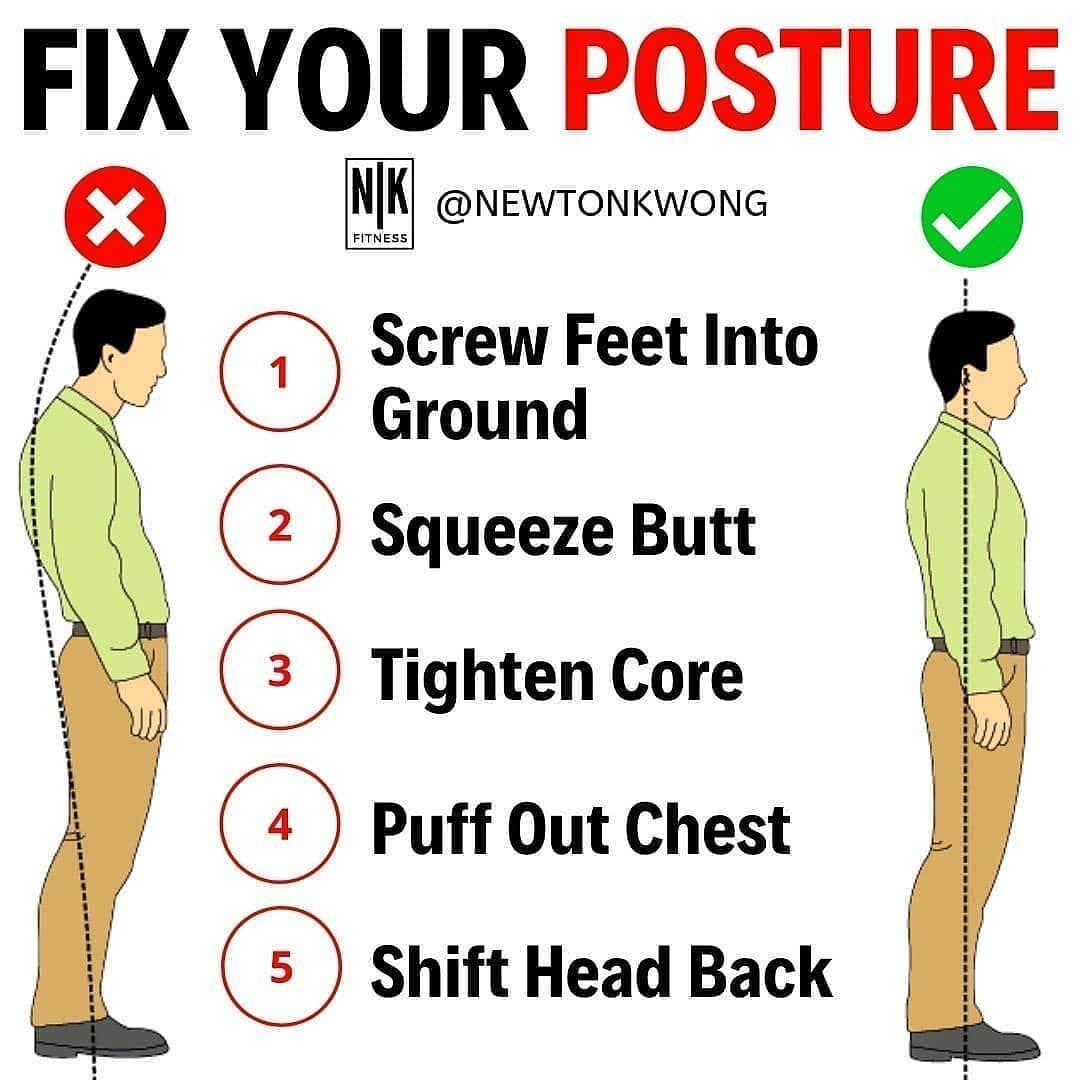
Mastering ‘How to Build a Strong Core for a Better Running Posture’ is an investment in your running longevity and performance. By understanding the mechanics, diligently assessing your capabilities, and implementing targeted exercises and consistent training, you are setting yourself up for more efficient, injury-free miles. Remember to listen to your body, embrace gradual progression, and make core strengthening an integral part of your running regimen to experience a transformative difference in your stride and overall well-being.