Embarking on a long run is a rewarding endeavor, but the challenge of staying adequately hydrated without discomfort can significantly impact your performance and enjoyment. This guide is dedicated to addressing precisely that, offering practical insights and proven methods to ensure your hydration system enhances, rather than hinders, your extended journeys.
We will delve into the common obstacles runners face when carrying water, emphasizing the critical role hydration plays in preventing fatigue and optimizing endurance. Understanding these challenges is the first step towards finding solutions that keep you comfortable and performing at your best, mile after mile.
Understanding the Need for Comfortable Water Carrying
Embarking on a long run is a rewarding endeavor, pushing your physical and mental limits. However, the duration and intensity of these runs introduce a critical element: hydration. Carrying water effectively is not merely a convenience; it’s a fundamental aspect of ensuring your safety, performance, and overall enjoyment. Without a well-thought-out strategy for hydration, even the most experienced runners can find themselves battling discomfort and diminished capabilities.The human body is remarkably resilient, but its efficiency is directly tied to its fluid balance.
During prolonged physical exertion, such as a long-distance run, the body loses significant amounts of water and electrolytes through sweat. Maintaining adequate hydration is paramount for several physiological processes that directly impact running performance. Dehydration can quickly lead to a cascade of negative effects, turning a potentially triumphant run into a struggle.
Challenges of Water Carrying on Extended Distances
Runners often encounter a variety of obstacles when trying to carry water on runs exceeding an hour or so. These challenges can range from the practicalities of storage and access to the physical sensations that arise from carrying a load. Addressing these issues proactively is key to a more comfortable and successful long run.The primary difficulties runners face include:
- Weight and Balance: Carrying multiple water bottles or a hydration pack adds noticeable weight. If not distributed evenly, this can lead to muscle strain, asymmetry in gait, and an increased perceived effort.
- Accessibility: Stopping to take a sip from a bottle tucked away in a pack or vest can disrupt your rhythm and momentum. Quick and easy access is crucial for consistent hydration.
- Chafing and Irritation: Straps from vests or handheld bottles can rub against the skin, especially when damp with sweat. This can lead to painful chafing, blisters, and general discomfort that can worsen over time.
- Sloshing and Noise: Partially filled bottles can slosh, creating an annoying sound and an unstable feeling. This can be a significant distraction and contribute to a sense of unease.
- Storage Limitations: The amount of water needed for a long run can be substantial. Finding a comfortable and secure way to carry this volume without it interfering with your movement is a common challenge.
Importance of Hydration for Performance and Fatigue Prevention
Adequate hydration is a cornerstone of endurance sports performance. Water plays a vital role in regulating body temperature, transporting nutrients, lubricating joints, and facilitating muscle function. When hydration levels drop, these essential processes are compromised, leading to a decline in performance and an increased susceptibility to fatigue.The impact of dehydration on a runner’s body can be observed in several ways:
- Thermoregulation: Sweat is the body’s primary cooling mechanism. Insufficient fluid levels reduce the capacity to sweat, leading to an increase in core body temperature. This can result in heat exhaustion or heatstroke, serious conditions that can be life-threatening. For example, a loss of just 2% of body weight through dehydration can significantly impair aerobic performance.
- Cardiovascular Strain: As the body loses fluid, blood volume decreases. This forces the heart to work harder to pump blood to the working muscles and organs, leading to an increased heart rate and a higher perceived exertion for the same pace.
- Muscle Function: Electrolytes, such as sodium and potassium, are lost through sweat and are crucial for muscle contraction and nerve signaling. Imbalances can lead to muscle cramps, weakness, and a general feeling of fatigue.
- Cognitive Function: Even mild dehydration can affect concentration, decision-making, and reaction time, which can be detrimental on challenging terrain or during critical moments of a race.
The prevention of fatigue is directly linked to maintaining optimal hydration. By ensuring a consistent intake of fluids, runners can sustain their effort levels for longer periods, delaying the onset of exhaustion and allowing them to finish their runs stronger.
Common Discomforts Associated with Poorly Managed Water Carrying
The consequences of not carrying water comfortably can manifest in a range of physical irritations and performance detriments. These discomforts can detract from the enjoyment of a run and, in some cases, force a runner to stop prematurely.Some of the most frequent discomforts include:
- Chafing and Skin Irritation: This is perhaps the most common complaint. The friction from bottles, vest straps, or hydration pack belts, especially when combined with sweat, can lead to raw, painful patches of skin. This can occur on the shoulders, chest, hips, and underarms.
- Shoulder and Neck Strain: Carrying a heavy hydration pack or bottles unevenly can put undue stress on the shoulder and neck muscles, leading to soreness and fatigue that can radiate down the back.
- Arm and Hand Fatigue: For runners who opt for handheld bottles, the constant gripping and swinging can lead to fatigue in the arms, wrists, and hands, impacting their running form and efficiency.
- Gastrointestinal Distress: While less common with water alone, poorly secured bottles or excessive jostling can sometimes contribute to stomach discomfort or a feeling of nausea.
- Disrupted Running Form: The need to constantly adjust a shifting water source, or the awkwardness of holding a bottle, can lead to an altered and less efficient running posture, which can in turn lead to other biomechanical issues.
- Annoyance and Distraction: The simple act of a bottle rattling or a strap digging in can be a constant source of annoyance, pulling focus away from the rhythm of the run and the surrounding environment.
Exploring Different Water Carrying Systems

Understanding the importance of staying hydrated is the first step; the next is to select the most effective method for carrying water during your long runs. The market offers a variety of solutions, each designed to cater to different running styles, distances, and personal preferences. Choosing the right system can significantly enhance your comfort, performance, and overall running experience.This section delves into the most popular water carrying systems available to runners, outlining their features, benefits, and drawbacks to help you make an informed decision.
Hydration Vests for Long-Distance Running
Hydration vests have become a staple for ultra-runners and those tackling long distances, offering a comprehensive solution for carrying water and other essentials. Their design distributes weight across the torso, minimizing the impact on your arms and shoulders.
- Pros:
- Ample Capacity: Vests typically feature multiple soft flask or bladder compartments, allowing for significant water storage, often 1.5 liters or more.
- Balanced Weight Distribution: The design evenly distributes the load across the chest and back, reducing fatigue and improving running form.
- Access to Essentials: Numerous pockets are integrated for gels, phones, keys, and even lightweight jackets, keeping everything readily accessible.
- Comfort and Stability: When fitted correctly, vests remain stable and bounce minimally, even at high speeds or on technical terrain.
- Cons:
- Can Be Warm: The coverage of the vest can lead to increased body heat, especially in warmer climates.
- Fit is Crucial: An ill-fitting vest can chafe or cause discomfort, requiring careful adjustment.
- Cost: Generally, hydration vests are a more significant investment compared to simpler carrying methods.
Handheld Water Bottles for Shorter or Moderate Runs
For runs that do not require extensive hydration or for runners who prefer a minimalist approach, handheld water bottles offer a straightforward and accessible option. They are easy to use and manage on the go.
- Advantages:
- Simplicity and Affordability: Handheld bottles are typically inexpensive and very easy to use, requiring no complex adjustments.
- Direct Access: Water is immediately accessible without needing to reach for a pack or vest.
- Minimalist Feel: Ideal for runners who dislike the feeling of a vest or pack.
- Versatility: Can be used for shorter training runs, races, or even as a supplement to a larger system.
- Considerations:
- Arm Fatigue: Holding a bottle for extended periods can lead to arm and shoulder fatigue.
- Limited Capacity: Typically hold 500-750ml, which may not be sufficient for very long or hot runs.
- Potential for Dropping: While less common with ergonomic designs, there’s a slight risk of dropping the bottle.
Waist Belts: Integrated Bottle Holders vs. Pouches
Waist belts offer a hands-free solution that sits lower on the body, providing an alternative to vests and handhelds. They come in two primary configurations: those with integrated bottle holders and those with pouches.
- Waist Belts with Integrated Bottle Holders:
- Pros: These belts often come with a specifically designed, angled bottle holster for easy access and return. They provide a secure fit for the bottle, minimizing sloshing.
- Cons: The number of bottles that can be carried is usually limited to one or two, and the belt can sometimes shift or bounce if not properly secured.
- Waist Belts with Pouches:
- Pros: These belts offer more versatility, allowing you to carry soft flasks or small rigid bottles in expandable pockets, alongside other small items like gels or a phone.
- Cons: Bottles in pouches may not be as secure as in dedicated holders, and accessing them might require a slight twist or adjustment. The weight distribution can also be less balanced if one side is significantly heavier.
Both types of waist belts are excellent for moderate distances where carrying capacity is not the primary concern, and they offer a good balance between accessibility and comfort.
Hydration Packs with Adjustable Straps
Hydration packs, often larger than vests, are designed for significant water storage and can be very comfortable when properly fitted. The key to their effectiveness lies in their adjustable strap systems.
- Benefits of Adjustable Straps:
- Personalized Fit: Adjustable shoulder, sternum, and sometimes hip straps allow the pack to conform precisely to your body shape, preventing rubbing and shifting. This is crucial for comfort over many miles.
- Weight Management: Proper adjustment helps to distribute the weight of a full pack evenly across your back and shoulders, reducing strain.
- Stability on Uneven Terrain: A well-adjusted pack remains stable, even during dynamic movements or on challenging trails, minimizing bounce and distraction.
- Adaptability to Clothing: You can easily adjust the straps to accommodate different layers of clothing, ensuring a consistent fit throughout varying weather conditions.
For example, a runner might find that during a cold-weather run with multiple layers, they need to loosen the shoulder straps slightly and tighten the sternum strap for optimal comfort. Conversely, in hot weather with minimal clothing, a tighter adjustment of all straps might be necessary to prevent any movement. This adaptability makes hydration packs a versatile choice for a wide range of running scenarios.
Choosing the Right Water Container
Selecting the appropriate water container is paramount to ensuring comfort and hydration during your long runs. The ideal choice will depend on your personal preferences, the demands of your run, and the prevailing environmental conditions. This section will guide you through the various options and considerations to make an informed decision.
Types of Water Bottles for Running
The market offers a variety of water bottle designs specifically tailored for runners, each with its own advantages. Understanding these differences will help you find the best fit for your needs.
- Soft Flasks: These are flexible, collapsible bottles made from BPA-free plastic or silicone. They are lightweight and shrink as you drink, minimizing sloshing and saving space. Many can be easily integrated into running vests, handheld carriers, or even pockets.
- Rigid Bottles: Traditional hard plastic or stainless steel bottles are durable and often come with built-in insulation to keep water cool. While they can be bulkier and may slosh more when not full, they offer robust protection for the water and are easy to clean. Some rigid bottles feature ergonomic designs for a comfortable grip.
Bottle Size and Capacity Considerations
The duration of your run and the ambient temperature are key factors in determining the necessary water capacity. It’s always better to carry a little extra than to run out of hydration.
- Short Runs (under 1 hour): A single soft flask of 250-500ml or a small rigid bottle is typically sufficient, especially in cooler weather.
- Medium Runs (1-3 hours): Consider carrying 500ml to 1 liter of water. This might involve two smaller soft flasks, a larger soft flask, or a rigid bottle.
- Long Runs (over 3 hours): For extended efforts, aim for 1 liter or more. This often requires a hydration vest or pack with multiple compartments for soft flasks or larger capacity rigid bottles.
- Temperature Impact: In hot weather, your hydration needs will significantly increase. You may need to carry double the amount of water you would in cooler conditions. Plan your routes to include water stops or refill points if carrying a very large volume is impractical.
Ease of Access and Refilling
Seamless hydration is crucial for maintaining pace and focus. Your water container should be easily accessible without causing significant disruption to your running form.
- Running Vests/Packs: These are designed with accessible pockets or dedicated sleeves for soft flasks, allowing you to drink on the go with minimal effort.
- Handheld Bottles: These bottles are designed to fit comfortably in your hand, often with adjustable straps. They are convenient for shorter to medium runs where carrying a vest is not necessary.
- Hip Belts: Some hip belts come with holders for small rigid bottles or soft flasks, providing a hands-free option for carrying water.
- Refilling Strategy: Identify potential refill points on your route, such as public water fountains, aid stations, or convenience stores. Containers with wide mouths are generally easier and quicker to refill.
Material Durability, Weight, and Chemical Safety
The materials used in your water container impact its longevity, weight, and your health. Prioritize options that are both functional and safe.
- BPA-Free Plastics: Most modern running bottles are made from BPA-free plastics like Tritan or LDPE (low-density polyethylene). These are lightweight, durable, and do not leach harmful chemicals into your water.
- Silicone: Soft flasks often incorporate silicone, which is flexible, durable, and tasteless.
- Stainless Steel: While heavier than plastic, stainless steel offers excellent durability and is inert, meaning it won’t react with your water. Insulated versions provide temperature control.
- Weight Consideration: For long distances, every ounce counts. Lightweight materials like BPA-free plastics and silicone are generally preferred to minimize carrying fatigue.
- Chemical Safety: Always check that your chosen container is explicitly labeled as BPA-free and free from other harmful chemicals. Reputable brands will clearly state this information on their packaging or product descriptions.
Optimizing Hydration Vest and Pack Usage
Now that we understand the importance of comfortable water carrying and have explored various systems and containers, let’s delve into the specifics of using hydration vests and packs effectively. Proper usage is key to ensuring your hydration system works with you, not against you, on those long runs. This section will guide you through fitting, loading, and securing your gear for maximum comfort and efficiency.Properly fitting a hydration vest is paramount to preventing discomfort, chafing, and excessive bouncing.
A well-fitted vest feels like a natural extension of your body, distributing weight evenly and allowing for unrestricted movement.
Step-by-Step Guide to Fitting a Hydration Vest
Follow these steps to ensure your hydration vest is snug and secure, minimizing movement and maximizing comfort.
- Loosen all straps: Before putting on the vest, loosen the sternum straps, shoulder straps, and any side or hip straps.
- Position the vest: Place the vest on your shoulders as you would a backpack. Ensure the shoulder straps lie flat and comfortably.
- Adjust sternum straps: Connect and adjust the sternum straps. They should sit comfortably across your chest, preventing the shoulder straps from sliding outwards. Aim for a snug fit that allows for deep breathing without restriction.
- Tighten shoulder straps: Adjust the shoulder straps so they are snug but not digging into your shoulders. The vest should feel secure and close to your body.
- Secure side or hip straps: If your vest has side or hip straps, adjust them to further secure the vest to your torso. These straps help distribute weight and prevent the vest from shifting.
- Test for movement: Jog in place or do a few arm swings. The vest should remain stable with minimal bouncing. If you notice significant movement, re-adjust the straps, paying attention to which ones need more or less tension.
- Check for chafing points: Pay attention to any areas where the vest or its straps might rub against your skin. Adjusting the fit or wearing moisture-wicking layers underneath can help prevent chafing.
Loading and distributing weight within a hydration vest are crucial for maintaining balance and preventing strain. An unbalanced load can lead to fatigue and an increased risk of injury.
Loading and Distributing Weight in a Hydration Vest
The goal is to create a balanced system that feels stable and doesn’t pull you in any direction.
- Place the hydration reservoir in its designated pocket: Most vests have a specific sleeve or pocket for the reservoir. Ensure it’s fully seated and not twisted.
- Distribute heavier items evenly: If you are carrying other items besides water, such as snacks, a lightweight jacket, or a phone, place them in pockets that are positioned symmetrically on the vest.
- Keep essential items accessible: Place items you might need quickly, like energy gels or a small first-aid kit, in easily reachable pockets.
- Avoid overpacking: Only carry what is absolutely necessary for your run. Excess weight will exacerbate bouncing and fatigue.
- Consider the front pockets: Many vests have front pockets. These are ideal for lighter items or items you need very frequently, as they are easily accessible without removing the vest.
Securing hydration reservoirs and hoses prevents them from shifting, making noise, and potentially causing chafing. Easy access ensures you can hydrate efficiently without interrupting your stride significantly.
Securing Hydration Reservoirs and Hoses
A few simple techniques can make a big difference in the comfort and functionality of your hydration system.
- Use reservoir retention straps: Some vests have straps specifically designed to hold the reservoir in place. Ensure these are utilized.
- Clip the hose: Most vests come with a magnetic or clip-on system for the hydration hose. Use this to keep the hose secured to the front of the vest when not in use.
- Route the hose comfortably: Experiment with routing the hose over your shoulder or across your chest to find the most comfortable and least intrusive path.
- Consider hose length: If your hose is excessively long, consider trimming it down to a manageable length, ensuring it can still reach your mouth comfortably.
Beyond water, a hydration vest can carry several essential items that enhance safety, comfort, and preparedness on a long run.
Checklist for Essential Items in a Hydration Vest
This checklist covers items that are commonly carried and highly beneficial for longer running excursions.
- Navigation: A small map, compass, or GPS device for longer or unfamiliar routes.
- Safety: A whistle for emergencies, a small first-aid kit (including blister treatment), and a reflective element or light if running in low-visibility conditions.
- Nutrition: Energy gels, chews, or bars to maintain energy levels.
- Communication: A fully charged mobile phone.
- Protection: Sunscreen, a lightweight hat, or sunglasses.
- Repair: A small roll of athletic tape for potential blister prevention or gear repair.
- Identification: An ID card with emergency contact information.
Mastering Handheld Water Bottle Techniques
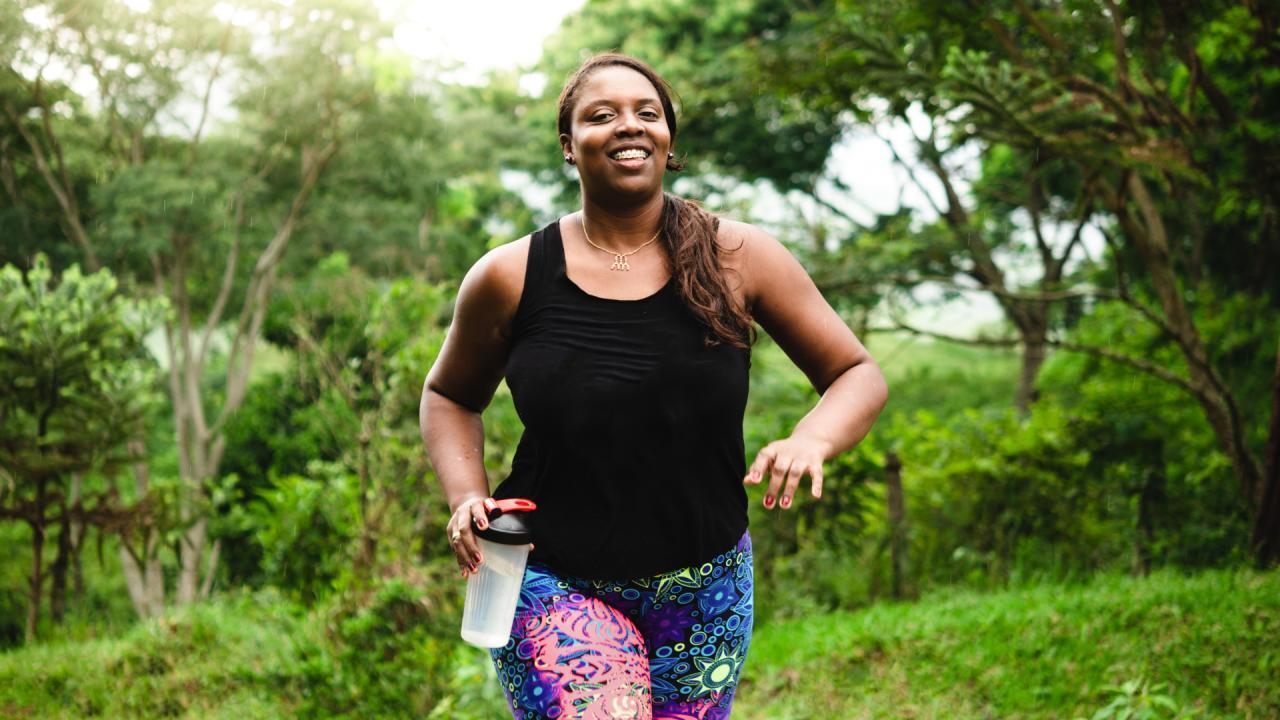
While vests and packs offer convenient hands-free hydration, handheld water bottles remain a popular and effective choice for many runners, especially for shorter to moderate distances or when minimalist gear is preferred. However, without proper technique, holding a water bottle can quickly lead to discomfort, arm fatigue, and an interrupted running rhythm. This section delves into the art of comfortably carrying and using handheld water bottles to enhance your long-run experience.Mastering handheld water bottle techniques involves more than just gripping and sipping.
It requires understanding biomechanics, efficient movement, and strategic practice to integrate hydration seamlessly into your stride. By implementing these strategies, you can transform a potentially cumbersome item into a comfortable and accessible hydration companion.
Grip Techniques for Reduced Arm Fatigue
The way you hold a water bottle significantly impacts arm and shoulder strain. An improper grip can lead to tension that travels up your arm, affecting your running form and overall endurance. Exploring various grip techniques allows you to distribute the weight and minimize muscle engagement.Here are several effective grip techniques designed to reduce arm fatigue:
- The Palm Grip: This is the most common grip, where the bottle rests in the palm of your hand. To optimize this, ensure the bottle is positioned slightly forward of your hand’s natural center of gravity, allowing your forearm muscles to work less to keep it stable. Avoid a death grip; a relaxed yet firm hold is key.
- The Finger Wrap: For lighter bottles or when you need more dexterity, wrap your fingers loosely around the bottle. This method utilizes the natural curve of your hand and fingers to support the weight, reducing the need for constant palm pressure.
- The Thumb-Over Grip: This technique involves placing your thumb on top of the bottle’s cap or shoulder while your fingers wrap around the body. This can provide a stable anchor point and shift some of the weight-bearing responsibility away from the palm, offering a welcome change.
- The Handheld Strap System: Many handheld bottles come with adjustable straps. These straps are designed to secure the bottle to your hand, allowing for a very relaxed grip. The strap takes on much of the holding duty, freeing your hand and arm muscles to move more naturally.
- Alternating Hands: The simplest yet most effective method for preventing localized fatigue is to regularly switch the bottle between your left and right hands. Aim to switch every 5-10 minutes, or whenever you start to feel a subtle ache in one arm.
Methods for Quick and Efficient Drinking
The ability to hydrate quickly and efficiently without significantly disrupting your stride is crucial for maintaining pace and focus on a long run. Fumbling with a bottle cap or struggling to take a sip can break your rhythm and even lead to spills.Here are detailed methods for drinking efficiently from handheld bottles while running:
- Familiarize Yourself with the Cap: Before your run, practice opening and closing the cap of your water bottle. Understand if it’s a flip-top, a squeeze cap, or a screw-on. Knowing this intuitively allows for quicker access. For bottles with bite valves, practice biting and releasing to control the flow.
- Squeeze Bottle Technique: If you’re using a soft-sided squeeze bottle, learn to control the water flow by the pressure of your hand. A gentle squeeze will produce a steady stream, while a firmer squeeze can deliver a larger volume. Practice this during training runs to find the right balance.
- Controlled Tilting: For rigid bottles, a controlled tilt is essential. Bring the bottle to your mouth with a smooth motion, tilt it just enough to allow the water to flow, and then return it to its carrying position. Avoid excessive tilting, which can lead to spills.
- Pre-Sipping and Post-Sipping: If you’re concerned about taking large gulps, practice taking smaller, more frequent sips. You can also take a sip just before a slightly uphill section or a more challenging part of your route, ensuring you’re adequately hydrated for the effort.
- Practice in Intervals: During your training runs, incorporate short intervals where you focus solely on drinking. For example, run for two minutes, then dedicate 15-20 seconds to taking several sips. This builds muscle memory and confidence.
Strategies for Carrying Multiple Handheld Bottles
For longer runs where a single bottle isn’t sufficient, carrying multiple handheld bottles requires a strategic approach to maintain comfort and balance. The key is to distribute the weight evenly and secure the bottles in a way that minimizes interference with your arm swing.Effective strategies for carrying multiple handheld bottles include:
- Two-Bottle System: The most common method is to carry one bottle in each hand. Ensure the bottles are of similar size and weight to maintain balance. Alternate carrying them regularly to prevent one-sided fatigue.
- Handheld Holsters or Sleeves: Many running-specific handheld bottles come with or can be paired with neoprene sleeves or holsters that attach to your hand via a strap. These systems often have a small pocket for gels or keys and keep the bottle secure.
- Hydration Belt with Handheld Holders: Some hydration belts are designed with adjustable loops or holders specifically for handheld bottles. This frees up your hands entirely while keeping the bottles easily accessible. Distribute the weight of the belt evenly around your waist.
- Vest-Style Holders: Certain running vests, even those designed for larger hydration reservoirs, may have additional external pockets or loops that can accommodate handheld bottles. This allows you to leverage the support of a vest while still using handhelds.
- Balancing Weight Distribution: If carrying more than two bottles, consider how they are distributed. For instance, if you have three bottles, you might carry two in one hand and one in the other for a period, then switch. This requires careful balance and awareness of your body.
Routine for Practicing with Handheld Bottles
Building endurance and comfort with handheld water bottles is an iterative process that requires dedicated practice. Integrating this practice into your regular training schedule will gradually accustom your body to the added weight and the mechanics of running with them.Here is a structured routine for practicing with handheld bottles to build endurance and comfort:
- Start Small: Begin with shorter runs (e.g., 3-5 miles) and a single, lightweight handheld bottle. Focus on your grip and how it affects your arm swing.
- Introduce Alternating Hands: During these initial short runs, consciously switch the bottle between hands every 5-10 minutes. Pay attention to any developing tension or discomfort.
- Increase Duration Gradually: As you become more comfortable, gradually increase the duration of your runs while still using a single bottle. Aim to extend your runs to 6-8 miles, then 10 miles, with consistent hand switching.
- Incorporate Multiple Bottles: Once you can comfortably run for 8-10 miles with one bottle, introduce a second bottle. Initially, use this for runs of similar distance, focusing on the balance and feel of carrying one in each hand.
- Practice Drinking Intervals: During your practice runs, set specific times or distances to practice drinking. For example, every mile, take 3-4 deliberate sips. This trains you to hydrate efficiently without breaking stride.
- Simulate Race Conditions: As your long runs approach race distance, practice with the exact setup you plan to use on race day, including the type and number of bottles, and your chosen carrying method. This includes practicing opening, drinking, and re-securing the bottles.
- Listen to Your Body: Always pay attention to any signs of fatigue or discomfort. If you experience pain, adjust your grip, reduce the duration, or take a break. Consistency is more important than pushing through significant discomfort.
Utilizing Waist Belts Effectively
Waist belts offer a versatile and often overlooked solution for carrying water and other essentials on longer runs. When used correctly, they can significantly enhance comfort and stability, allowing you to focus on your performance rather than on bothersome gear. This section delves into the nuances of optimizing your waist belt for a more enjoyable running experience.A well-positioned and adjusted running waist belt can dramatically reduce the sensation of bouncing and shifting, which is crucial for maintaining rhythm and preventing chafing.
The key lies in understanding how to secure it properly and what to carry within its compartments to maintain balance.
Waist Belt Positioning and Bounce Minimization
The primary goal when positioning a running waist belt is to ensure it sits snugly against your body without restricting your breathing or movement. This typically means placing it around the natural waistline, just above the hips, where it can be supported by the core muscles.To achieve minimal bounce, the belt should be tight enough to prevent significant up-and-down or side-to-side movement, but not so tight that it impedes circulation or causes discomfort.
The material of the belt itself also plays a role; wider, more elasticated belts tend to distribute pressure more evenly and offer better stability than narrower, less flexible ones.
The sweet spot for waist belt tension is where you feel secure and stable, but can still take a deep breath and move freely.
When loading a waist belt, distributing weight evenly is paramount. If carrying multiple water bottles, try to place them symmetrically. Similarly, heavier items should be positioned towards the back or sides to maintain a balanced center of gravity.
Waist Belt Pouch Contents Beyond Water Bottles
While water bottles are a primary function, waist belt pouches are surprisingly capacious and can hold a variety of essential items that enhance your running preparedness and comfort.Here are some common and useful items to store in waist belt pouches:
- Nutrition: Energy gels, chews, bars, or small packets of snacks for on-the-go refueling.
- Phone: A smartphone for communication, navigation, or tracking your run. Ensure it fits snugly in a zippered pocket to prevent it from falling out.
- Keys: A house key or car key, ideally secured in a zippered compartment or attached to an internal clip.
- Identification and Money: A small amount of cash or a credit card for emergencies, along with identification.
- Small First-Aid Items: Band-aids, antiseptic wipes, or blister treatment for minor issues.
- Headphones: If you run with music, a place to store your earbuds when not in use.
- Sunscreen or Lip Balm: Small tubes for protection against the elements.
The advantage of carrying these items in a waist belt is their accessibility; you can often reach them without breaking stride or removing your pack.
Methods for Adjusting Waist Belt Tension During a Run
The dynamic nature of running means your body’s needs can change, and so can the fit of your waist belt. Being able to adjust the tension on the fly is a valuable skill.Methods for adjusting waist belt tension include:
- Velcro Adjustments: Many belts feature robust Velcro closures that allow for quick and easy tightening or loosening. Simply peel back and re-apply the Velcro to modify the fit.
- Buckle Systems: Some higher-end belts use buckle systems, similar to those on backpacks. These often have a cam-lock mechanism that can be quickly released and re-tightened.
- Elasticated Straps: Belts with integrated elastic sections can adapt to your body’s movements. You can manually pull and secure these straps to fine-tune the fit.
- Zippered Pockets: While not directly for tension, ensuring items are properly zipped into pockets can prevent them from shifting and affecting the belt’s balance, indirectly aiding in maintaining a consistent fit.
It’s beneficial to practice these adjustments before your run so you can perform them efficiently when needed. For instance, if you feel the belt loosening as you sweat, a quick tightening can prevent it from slipping. Conversely, if you feel it becoming too restrictive during intense efforts, a slight loosening can improve comfort.
Exercises to Strengthen the Core and Improve Stability
A strong core is fundamental to efficient running and plays a significant role in how comfortably and stably you can wear a waist belt. A well-supported core minimizes unnecessary movement of the torso, which in turn reduces the bounce of any gear worn around the waist.Here are examples of exercises that target core strength and stability, beneficial for runners wearing waist belts:
Core Strengthening Exercises
Incorporating these exercises into your routine will build the foundational strength needed for better stability:
- Plank: Hold a push-up position, resting on your forearms, keeping your body in a straight line from head to heels. Engage your abdominal muscles. Aim for 30-60 second holds, repeating 3-4 times.
- Side Plank: Lie on your side, supporting your body on your forearm and the side of your foot. Keep your body in a straight line. Hold for 30-45 seconds per side, repeating 3-4 times.
- Bird-Dog: Start on your hands and knees. Extend your opposite arm and leg simultaneously, keeping your core engaged and your back flat. Return to the starting position and alternate sides. Perform 10-12 repetitions per side.
- Dead Bug: Lie on your back with your knees bent at 90 degrees and arms extended towards the ceiling. Lower your opposite arm and leg towards the floor while keeping your lower back pressed into the ground. Return to the start and alternate sides. Perform 10-12 repetitions per side.
Stability and Balance Exercises
These exercises further enhance your ability to remain stable, especially when carrying a load:
- Single-Leg Squats: Stand on one leg and slowly lower yourself into a squat position, keeping your knee aligned with your toes. Use a wall or chair for balance if needed. Perform 8-10 repetitions per leg.
- Walking Lunges: Step forward with one leg, lowering your hips until both knees are bent at approximately 90 degrees. Push off your back foot and step through into the next lunge with the opposite leg. Perform 10-12 lunges per leg.
- Russian Twists: Sit on the floor with your knees bent and feet flat. Lean back slightly, engaging your core, and twist your torso from side to side, tapping the floor with your hands. For added difficulty, hold a weight. Perform 15-20 twists per side.
Consistency is key with these exercises. Aim to perform them 2-3 times per week to build a resilient and stable core that will support you and your gear on every run.
Advanced Hydration Strategies for Extreme Conditions
Navigating long runs in challenging environmental conditions requires a refined approach to hydration, extending beyond simply carrying water. Extreme temperatures and humidity present unique physiological demands that necessitate careful planning and strategic water management. This section delves into how to adapt your hydration practices for hot, humid, and cold weather scenarios, emphasizing the critical role of electrolytes and the importance of strategic resupply.
Hot Weather and High Humidity Adjustments
In hot and humid environments, your body’s thermoregulation mechanisms work overtime, leading to increased sweat rates. This means you lose more fluids and electrolytes, and the ambient moisture makes it harder for sweat to evaporate, thus reducing cooling efficiency. Adjusting your water carrying strategy is paramount to prevent dehydration and heat-related illnesses.
- Increased Fluid Volume: Carry more water than you might in moderate conditions. A general guideline is to increase your usual carrying capacity by 20-30%, but this can vary significantly based on individual sweat rates and the intensity of the heat.
- Frequent Sips: Instead of large gulps, take small, frequent sips of water. This aids in better absorption and reduces the feeling of being overly full, which can be uncomfortable during a run.
- Electrolyte Replacement: As you sweat, you lose essential electrolytes like sodium, potassium, and magnesium. These are crucial for fluid balance, muscle function, and nerve signaling. Incorporating electrolyte-rich drinks or supplements becomes non-negotiable.
- Pre-hydration and Post-hydration: Start your run well-hydrated and continue to rehydrate thoroughly afterward. This proactive approach helps your body better cope with the demands of the run.
- Clothing and Sun Protection: Light-colored, breathable clothing, a hat, and sunscreen can help reduce heat absorption and minimize overall heat stress, indirectly aiding hydration by reducing the body’s need to cool itself through excessive sweating.
Cold Weather Hydration Strategies
Contrary to common belief, staying hydrated in cold weather is just as crucial, if not more so, than in hot conditions. The body still loses fluid through respiration (exhaled breath is moist), and the thirst sensation can be blunted by the cold. The primary concern in freezing temperatures is preventing your water supply from freezing.
- Insulated Bottles and Sleeves: Use insulated water bottles or carriers to slow down the freezing process. These can significantly extend the time your water remains liquid.
- Hydration Vest Pockets: Storing water bottles in pockets close to your body, such as within a hydration vest, can utilize your body heat to prevent freezing.
- Hydration Bladders with Insulated Tubing: If using a hydration bladder, ensure the tube is insulated. Blowing air back into the bladder after each sip can help prevent water from freezing in the tube.
- Slightly Warm Water: Carrying water that is slightly warmer than room temperature can help keep it from freezing for longer. Avoid extremely hot water, which can be uncomfortable and potentially cause burns.
- Electrolytes for Cold: While sweat rates may be lower, electrolytes are still important. They can help with fluid balance and energy levels, which can be depleted in the cold.
- Regular Checks: Periodically check your water supply to ensure it hasn’t frozen, especially if conditions are particularly frigid.
The Importance of Electrolytes
Electrolytes are minerals in your body that have an electric charge. They play a vital role in numerous bodily functions, including maintaining fluid balance, nerve impulses, muscle contractions, and regulating blood pressure. During prolonged or intense exercise, especially in extreme conditions, these electrolytes are lost through sweat and urine, necessitating replenishment.
Incorporating Electrolytes into Your Water Supply
There are several effective ways to ensure you are getting adequate electrolytes during your runs:
- Electrolyte Drinks: Commercially available electrolyte drinks are formulated with a balance of salts and carbohydrates to replenish lost minerals and provide energy.
- Electrolyte Tablets and Powders: These can be added to your water, offering a convenient and customizable way to boost electrolyte intake. They come in various flavors and formulations.
- Salty Snacks: Consuming salty foods, such as pretzels, salted nuts, or jerky, alongside plain water can help replenish sodium levels.
- Homemade Electrolyte Mixes: A simple homemade mix can be made with water, a pinch of salt (for sodium), a bit of honey or maple syrup (for carbohydrates and potassium), and perhaps a squeeze of lemon or lime for flavor and some additional minerals.
“Electrolytes are not just about preventing cramps; they are fundamental to maintaining cellular function and overall performance during endurance activities.”
Planning Water Stops and Resupply Points
Effective planning of water stops and resupply points is a cornerstone of successful long-distance running, especially in environments where water sources are scarce or unreliable. This proactive approach minimizes the risk of dehydration and allows you to focus on your run rather than on your immediate hydration needs.
Developing a Resupply Plan
To create a robust resupply plan, consider the following elements:
- Route Analysis: Thoroughly study your intended route. Identify any natural water sources (streams, springs), public water fountains, or stores that might be along the way.
- Distance and Pace: Estimate the distance between potential resupply points and factor in your expected running pace. This will help you determine how much water you need to carry between stops.
- Environmental Conditions: Adjust your plan based on the weather. Hotter conditions and higher humidity will require more frequent stops or carrying larger volumes of water.
- Personal Hydration Needs: Understand your own body’s hydration requirements. Some runners sweat more than others and will need to plan for more frequent fluid intake.
- Backup Plans: Always have a backup plan. What will you do if a planned water source is dry or a store is closed? Carrying extra water or having emergency electrolyte supplements can be crucial.
- Drop Bags: For ultra-marathons or very long unsupported runs, consider using drop bags. These are pre-packed bags of supplies (water, food, gear) that you leave at designated aid stations or points along the course.
- Hydration Apps and Maps: Utilize running apps and online mapping tools that can help identify water sources and plan routes with resupply points in mind.
Maintaining and Cleaning Hydration Gear
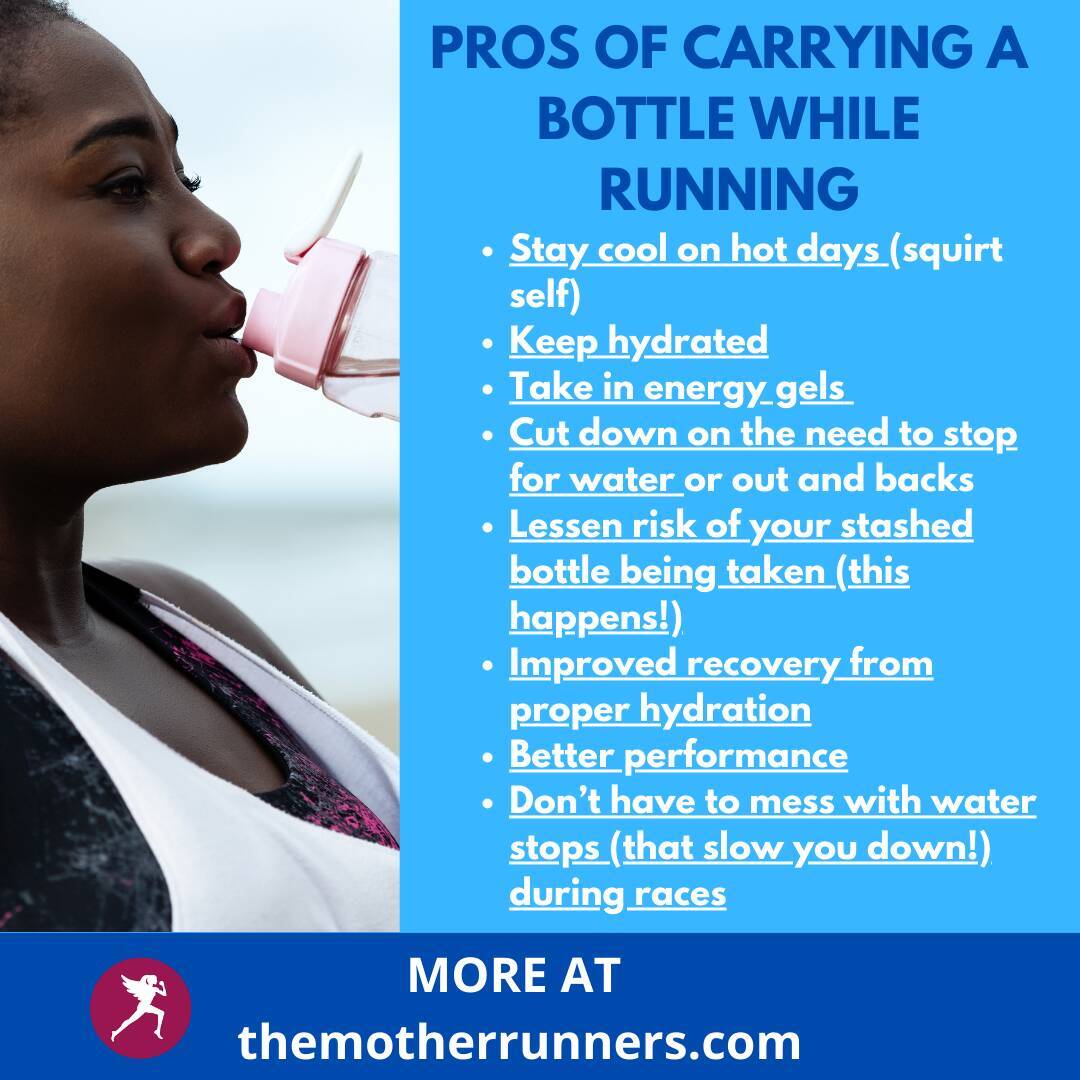
Proper maintenance and cleaning of your hydration gear are crucial for ensuring its longevity, preventing unpleasant odors and mold growth, and guaranteeing that your water remains fresh and safe to drink. Neglecting this aspect can lead to damaged equipment and compromised hydration, which is detrimental to your running performance and overall health. This section will guide you through the essential steps to keep your hydration systems in optimal condition.Regular cleaning prevents the buildup of bacteria, mold, and mineral deposits that can affect the taste of your water and potentially cause illness.
Furthermore, well-maintained gear is more reliable, reducing the risk of leaks or malfunctions during a run.
Hydration Reservoir and Bottle Cleaning Schedule
Establishing a consistent cleaning routine is key to preventing the growth of mold and the development of persistent odors. The frequency of cleaning depends on how often you use your gear and the type of liquids you carry.Here is a recommended cleaning schedule:
- After Each Use: Rinse reservoirs and bottles thoroughly with clean water. This simple step removes most residual drink and prevents immediate buildup.
- Weekly: For regular users, a more thorough cleaning once a week is advisable. This involves using a mild soap and water solution or a specialized cleaning tablet.
- Monthly (or as needed): A deeper clean, potentially involving a diluted vinegar or bleach solution (followed by extensive rinsing), may be necessary for stubborn odors or any signs of mold. Always ensure thorough rinsing after using any cleaning agent.
- Before Extended Storage: Always clean your gear thoroughly before storing it for a long period to prevent any microbial growth during inactivity.
Drying Hydration Gear
Proper drying is as important as cleaning to inhibit mold and bacterial growth. Moisture left inside reservoirs and bottles can quickly become a breeding ground for unwanted organisms.The best methods for drying hydration gear thoroughly include:
- Air Drying: After rinsing, open all reservoirs and bottles completely. For reservoirs, hang them upside down using a specialized drying hanger or a clip to allow air to circulate freely inside. For bottles, place them upside down on a drying rack. Ensure there are no enclosed spaces where moisture can be trapped.
- Using a Fan: For faster drying, especially in humid conditions, place your gear in front of a fan. This accelerates evaporation.
- Allowing Ample Time: Do not rush the drying process. Ensure the gear is completely dry to the touch and smells fresh before storing it. This might take several hours or even overnight, depending on the environment.
Inspecting Hydration Vests and Belts for Wear and Tear
Regular inspection of your hydration vest or belt will help you identify potential issues before they become major problems, ensuring your gear remains functional and comfortable.Key areas to inspect include:
- Strap Adjustments: Check that all buckles, Velcro, and adjustment straps are functioning correctly and are not frayed or damaged. Loose or worn straps can lead to an uncomfortable fit and poor weight distribution.
- Seams and Stitching: Examine all seams for any signs of unraveling or tearing. Reinforced stitching is vital for durability, especially on load-bearing areas.
- Fabric Integrity: Look for any rips, holes, or significant wear on the fabric, particularly in areas that experience friction or stress.
- Zipper Functionality: If your vest or belt has pockets with zippers, ensure they glide smoothly and are not damaged.
- Reflective Elements: Check that reflective strips or details are still intact and clean, as these are important for visibility during low-light conditions.
Storing Hydration Equipment
Proper storage is essential for prolonging the lifespan of your hydration gear and keeping it ready for your next adventure. Incorrect storage can lead to damage, odors, and reduced functionality.To store your hydration equipment effectively:
- Ensure all components are completely dry before storing.
- Store reservoirs and bottles in a cool, dry place, away from direct sunlight and extreme temperatures.
- Avoid compressing or folding hydration reservoirs tightly, as this can damage the bladder material and seals. If possible, use a hydration reservoir hanger or stand to maintain its shape.
- Keep accessories like hydration tube clips and bite valves clean and stored in a way that prevents dust or debris from accumulating on them.
- If storing for an extended period, consider placing a desiccant pack inside the storage area to absorb any residual moisture.
Outcome Summary

Mastering the art of comfortable water carriage transforms long runs from a potentially arduous task into a seamless experience. By exploring various carrying systems, selecting the right containers, and refining your techniques, you can ensure hydration is always within easy reach, allowing you to focus on the rhythm of your stride and the beauty of the journey. Embrace these strategies to conquer your next long run with confidence and unparalleled comfort.