How to Deal with Painful Blisters from Your Shoes offers a comprehensive guide to navigating the discomfort and challenges associated with shoe-induced blisters. This discussion delves into the underlying causes, immediate relief strategies, and effective prevention techniques, ensuring you can walk comfortably and confidently.
We will explore the physiological process behind blister formation, from the initial friction and pressure to the development of fluid-filled sacs. Understanding these mechanisms is the first step towards finding lasting solutions and maintaining healthy, happy feet.
Understanding Blister Formation

Blisters are a common and often painful consequence of wearing ill-fitting or new shoes. They are essentially protective sacs formed by the body to shield damaged skin from further injury. Understanding the underlying causes and physiological processes can empower you to prevent and manage these uncomfortable foot ailments effectively.The development of a blister is a direct response to repetitive friction, pressure, or heat applied to a specific area of the skin.
When these forces exceed the skin’s natural resilience, the outermost layer (epidermis) separates from the deeper layers. This separation creates a void, which then fills with fluid. This fluid is typically serum, a clear, yellowish liquid that leaks from damaged blood vessels and tissues. The body’s natural healing mechanism triggers this fluid accumulation to cushion the underlying skin and prevent infection.
Common Causes of Blisters from Shoes
The primary culprits behind shoe-induced blisters are mechanical forces that disrupt the integrity of the skin. These forces can stem from a variety of factors related to shoe design, fit, and how the shoes are worn.
The Physiological Process of Blister Development
Blisters form through a distinct physiological process initiated by external stress on the skin. This process can be broken down into several key stages, each contributing to the final outcome of fluid-filled skin separation.The initial stage involves the application of shear forces (friction) and compressive forces (pressure) to the skin. These forces can be constant or intermittent, depending on the activity and the shoe’s interaction with the foot.
Repeated or intense friction causes the epidermal cells to stretch and eventually break apart. Simultaneously, sustained pressure can impede blood flow and damage the dermal-papillary junction, the critical interface between the epidermis and the dermis.As these microscopic tears and damage occur, inflammatory mediators are released. This triggers an influx of fluid from the surrounding capillaries into the separated space. This fluid, primarily serum, acts as a natural cushion, lifting the damaged epidermis away from the more sensitive underlying dermis.
The intact but lifted epidermis then forms the protective blister roof. If the damage is severe enough to rupture small blood vessels, the blister may fill with blood, creating a blood blister.
Factors Contributing to Friction and Pressure
Several specific factors related to shoes and their wear contribute significantly to the development of blisters. Recognizing these elements is crucial for prevention.
- Shoe Fit: Shoes that are too large allow the foot to slide around, increasing friction. Conversely, shoes that are too small can create excessive pressure points, especially in areas like the heel, toes, and sides of the foot.
- Shoe Material and Construction: Stiff, unyielding materials, poorly placed seams, or rough internal surfaces can rub against the skin, causing friction. Inadequate breathability can also lead to moisture buildup, softening the skin and making it more susceptible to damage.
- Socks: Wearing the wrong type of socks, such as those made of cotton which retain moisture, can exacerbate friction. Socks that are too loose can bunch up, creating additional pressure points.
- Activity Level and Duration: Prolonged periods of walking, running, or standing, especially in new or unseasoned shoes, increase the cumulative effect of friction and pressure.
- Foot Anatomy and Biomechanics: Individual foot shape, gait patterns, and the presence of deformities like bunions or hammertoes can create unique pressure and friction zones within certain shoe types.
- Moisture: Sweat can soften the skin, reducing its natural resistance to friction. Damp socks and shoes are a common precursor to blister formation.
The Role of Moisture in Blister Formation
Moisture, particularly sweat, plays a significant role in making the skin more vulnerable to the damaging effects of friction and pressure. When the skin is damp, its tensile strength decreases, making it easier for the outer layers to separate.
Moist skin is less resilient to shear forces, significantly increasing the likelihood of blister formation.
This is why wearing moisture-wicking socks and ensuring your feet are dry before putting on shoes can be highly effective preventative measures. The accumulation of sweat within the shoe environment creates a microclimate that compromises the skin’s protective barrier.
Immediate Relief and First Aid

Experiencing a painful blister from your shoes can be a sudden and uncomfortable event. Prompt and appropriate first aid can significantly alleviate discomfort, prevent further damage, and promote healing. Addressing a blister correctly from the outset is crucial for a speedy recovery.This section will guide you through the essential steps for managing a fresh blister, including cleaning, dressing, and pain reduction techniques.
We will also Artikel the vital components of a blister first-aid kit and provide a safe procedure for managing large, troublesome blisters.
Cleaning and Dressing a Fresh Blister
Properly cleaning and dressing a blister is the first and most critical step in its management. This process helps to prevent infection and create a protective environment for healing. It is important to handle the blister gently to avoid causing further pain or ruptures.Follow these steps for effective cleaning and dressing:
- Wash your hands thoroughly with soap and water to prevent introducing bacteria to the blistered area.
- Gently clean the blister and the surrounding skin with mild soap and cool or lukewarm water. Avoid harsh scrubbing, which can irritate the delicate skin. Pat the area dry with a clean cloth or allow it to air dry.
- Apply an antiseptic such as rubbing alcohol or an antiseptic wipe to the blister and the surrounding skin. Allow it to dry completely.
- Apply a sterile dressing. For small, intact blisters, a simple adhesive bandage or a specialized blister bandage (hydrocolloid bandage) is often sufficient. These bandages create a moist healing environment and provide cushioning. Ensure the bandage extends beyond the edges of the blister to secure it properly.
- For larger or more fragile blisters, consider using a donut-shaped moleskin pad. Cut a piece of moleskin large enough to surround the blister, then cut a hole in the center slightly larger than the blister itself. This creates a protective ring that relieves pressure on the blister. Apply the moleskin to the skin around the blister, and then cover the entire area with a sterile dressing or another piece of moleskin.
Reducing Pain and Pressure on a Developing Blister
As soon as you notice the tell-tale signs of a developing blister – redness, warmth, and a tingling sensation – taking immediate action can prevent it from fully forming or worsening. The primary goal is to reduce friction and pressure on the affected area.Several effective methods can be employed to achieve this:
- Apply a protective barrier: If you feel a hot spot or the initial stages of a blister forming, immediately apply a moleskin pad or a blister bandage directly over the area. This creates a friction-reducing layer.
- Adjust footwear: If possible, change into shoes that do not rub against the sensitive area. Looser-fitting shoes or sandals can provide immediate relief.
- Cushioning and padding: Use soft padding, such as lambswool or a small piece of soft cloth, to cushion the area within your shoe. This can help distribute pressure more evenly.
- Elevate the foot: If the blister is particularly painful and you are able to, elevating your foot can help reduce swelling and throbbing.
- Over-the-counter pain relief: For significant discomfort, consider taking an over-the-counter pain reliever like ibuprofen or acetaminophen, following the dosage instructions on the packaging.
Essential Items for a Blister First-Aid Kit
Being prepared with a well-stocked blister first-aid kit is essential for anyone prone to blisters, whether from sports, hiking, or daily wear of new shoes. Having the right supplies readily available can make a significant difference in managing pain and promoting healing.Here are the key items to include in your blister first-aid kit:
- Sterile gauze pads: For cleaning and covering blisters.
- Adhesive bandages in various sizes: Standard bandages for small blisters.
- Blister bandages (hydrocolloid bandages): These are excellent for creating a moist healing environment and cushioning.
- Moleskin or other blister prevention tape: For creating protective padding and reducing friction.
- Antiseptic wipes or solution (e.g., rubbing alcohol, povidone-iodine): To clean the affected area and prevent infection.
- Small, sharp scissors: For cutting moleskin or tape to size.
- Tweezers: For carefully removing any debris.
- Antibiotic ointment: To apply after cleaning and before dressing, to further prevent infection.
- Pain relievers (e.g., ibuprofen, acetaminophen): For managing discomfort.
Procedure for Safely Draining a Large, Painful Blister
While it is generally recommended to leave blisters intact to allow for natural healing and to maintain their protective barrier, very large, painful, or awkwardly positioned blisters may require draining to relieve pressure and prevent accidental rupture. This should only be attempted if the blister is causing significant discomfort or is in a location prone to further irritation.The following procedure Artikels how to safely drain a blister:
- Gather your supplies: Ensure you have sterile gauze pads, antiseptic solution (like rubbing alcohol), a sterile needle or lancet, antibiotic ointment, and a sterile bandage or blister dressing.
- Wash your hands and the blistered area: Thoroughly wash your hands with soap and water. Clean the blister and the surrounding skin with an antiseptic solution.
- Sterilize the needle: Sterilize the needle or lancet by wiping it with rubbing alcohol or by holding it in a flame until it glows red, then allowing it to cool completely.
- Puncture the blister: Carefully create one or two small punctures at the edge of the blister. Do not attempt to remove the overlying skin.
- Gently press out the fluid: Apply gentle pressure to the sides of the blister to allow the fluid to drain out. Do not squeeze forcefully.
- Clean and dress the blister: Once the fluid has drained, clean the area again with an antiseptic solution. Apply a thin layer of antibiotic ointment over the drained blister and the puncture sites. Cover the blister with a sterile dressing or a specialized blister bandage to protect it and promote healing.
- Monitor for infection: Keep the area clean and dry. Watch for signs of infection, such as increased redness, swelling, warmth, pus, or fever. If any of these symptoms appear, consult a healthcare professional.
It is important to reiterate that draining a blister carries a risk of infection. If you are unsure or uncomfortable performing this procedure, it is best to seek advice from a healthcare provider.
Preventing Future Blisters
While addressing existing blisters is crucial, the most effective strategy for managing them involves proactive prevention. By understanding the underlying causes and implementing specific preventative measures, you can significantly reduce the likelihood of developing painful blisters from your footwear. This section will guide you through the key aspects of preventing future blisters, from selecting the right shoes to safely preparing them for wear.
Shoe Fit and Material Selection
The foundation of blister prevention lies in choosing footwear that fits correctly and is constructed from appropriate materials. Ill-fitting shoes create unnecessary friction and pressure points, which are the primary culprits behind blister formation. Similarly, the materials your shoes are made from play a vital role in how your feet interact with them.When selecting new shoes, prioritize a snug but not constricting fit.
Your toes should have ample room to wiggle, and the heel should feel secure without slipping. Pay attention to the width of the shoe; a shoe that is too narrow or too wide can both lead to rubbing. The materials should be breathable to allow moisture to escape, preventing the skin from becoming overly soft and susceptible to damage. Natural materials like leather and certain synthetic blends often offer better breathability and flexibility than stiff, non-porous synthetics.
Preventative Measures Before Wearing New Shoes
Before embarking on extensive wear of any new footwear, taking a few preparatory steps can make a significant difference in preventing blisters. These measures are designed to address potential friction points and prepare your feet and shoes for the demands of walking or activity.Here are several key preventative measures to implement:
- Assess the Interior: Carefully inspect the inside of new shoes for any rough seams, tags, or stitching that could cause irritation. Address these by gently smoothing them down with fine-grit sandpaper or covering them with a small piece of fabric if necessary.
- Wear Appropriate Socks: Always wear the type of socks you intend to wear with the shoes when trying them on or breaking them in. Moisture-wicking socks made from synthetic blends or merino wool are excellent for managing sweat and reducing friction compared to cotton, which can retain moisture.
- Apply Protective Barriers: Consider applying specialized blister prevention products to areas of your feet that are prone to friction before you even put on the shoes. This could include lubricants or specialized tapes.
- Address Moisture: If your feet tend to sweat excessively, consider using antiperspirant on your feet or a foot powder to keep them dry.
Gradual Break-In Techniques for New Footwear
New shoes, especially those made from stiffer materials like leather, often require a period of breaking in to conform to the shape of your feet and soften up. Rushing this process by wearing them for extended periods immediately can lead to painful blisters. A gradual approach allows your skin to adapt to the shoe’s contours.Here are effective techniques for breaking in new footwear safely:
- Short, Incremental Wear: Begin by wearing the new shoes for very short durations, perhaps for an hour or two around the house.
- Alternate Footwear: Do not wear the new shoes every day. Alternate them with well-worn, comfortable pairs to give your feet a break and allow the new shoes to continue molding without excessive pressure.
- Increase Wear Time Gradually: As the shoes become more comfortable, gradually increase the amount of time you wear them. Progress from a couple of hours to half a day, and then to a full day of wear.
- Target High-Friction Areas: While breaking in, pay close attention to any areas where you feel even the slightest rubbing or pressure. Address these points with protective padding (discussed below) before continuing to wear the shoes.
- Use Shoe Stretchers (Optional): For shoes that are consistently tight in specific areas, shoe stretchers can be a helpful tool to gently expand the material, reducing pressure points.
Comparison of Protective Barriers for Blister Prevention
Various protective barriers are available to shield your skin from friction and prevent blisters. Each has its own advantages and best-use scenarios, making it important to understand their differences to choose the most suitable option for your needs.Here’s a comparison of common protective barrier types:
- Adhesive Bandages: These are readily available and can provide a basic layer of protection. They are best for covering small, already irritated areas or areas where minor friction is anticipated. However, they can sometimes crease and cause their own friction if not applied perfectly.
- Moleskin: Moleskin is a thick, soft, adhesive fabric that is highly effective at reducing friction. Its thickness provides excellent cushioning and can be cut to fit specific high-friction areas. It is durable and stays in place well, making it ideal for prolonged wear or demanding activities.
- Blister Prevention Tapes: Specialized athletic tapes, such as kinesiology tape or friction-reducing tapes, are designed to adhere firmly to the skin and create a smooth surface that minimizes rubbing. They are often thin and flexible, allowing for a more natural feel.
- Lubricants: Products like anti-chafing balms or sticks create a slippery barrier on the skin, reducing friction. These are often used on areas prone to chafing, such as the inner thighs or under arms, but can also be applied to feet in conjunction with socks to reduce sock-on-skin friction.
Applying Moleskin or Other Padding to High-Friction Areas
Proper application of moleskin or other padding is crucial for its effectiveness in preventing blisters. The goal is to create a smooth, protective layer over areas that experience the most rubbing or pressure from your footwear.Here’s a demonstration of how to properly apply moleskin or similar padding:
- Identify High-Friction Zones: Before applying any padding, wear the shoes for a short period and identify the exact spots where you feel rubbing or pressure. Common areas include the heel, the balls of the feet, the sides of the toes, and the top of the foot.
- Clean and Dry the Skin: Ensure the skin in the targeted area is clean and completely dry. Any moisture or lotion can prevent the adhesive from sticking properly.
- Cut the Padding to Shape: Using clean scissors, cut a piece of moleskin or padding that is slightly larger than the area you need to protect. Rounding the edges of the padding can help prevent it from peeling up prematurely.
- Apply Smoothly and Firmly: Peel the backing off the moleskin, and carefully apply it to the identified area on your skin. Press down firmly and smoothly from the center outwards, ensuring there are no wrinkles or air bubbles. Wrinkles can create their own friction points.
- Consider Double Layering (If Necessary): For areas that experience extreme friction or pressure, you might consider applying a second layer of moleskin over the first, ensuring the edges are staggered to avoid creating a single thick seam.
- Apply to Shoes (Alternative): In some cases, if a specific internal seam or edge of the shoe is the problem, you can apply moleskin directly to the inside of the shoe over that problematic spot. However, applying to the skin is generally preferred as it moves with your skin.
Treating Persistent or Severe Blisters
While many minor blisters resolve on their own with proper care, some can become persistent or show signs of complications. Recognizing when a blister requires more advanced intervention is crucial for preventing further discomfort and potential health issues. This section focuses on identifying severe blisters, exploring effective home remedies for stubborn cases, and understanding the role of specialized socks in managing and preventing blisters.
Signs of Blister Infection Requiring Medical Attention
It is essential to monitor blisters for signs of infection, which can escalate quickly if left untreated. Prompt medical evaluation is necessary if you observe any of the following indicators, as they suggest a bacterial or fungal invasion that home care cannot adequately address.
- Increased redness spreading beyond the blister’s edge.
- Warmth radiating from the blister area.
- Pus or thick, discolored fluid draining from the blister.
- Worsening pain or tenderness.
- Swelling around the blister.
- Fever or chills, indicating a systemic infection.
- Red streaks extending from the blister.
Home Remedies for Stubborn Blisters
For blisters that are slow to heal or particularly bothersome, certain home remedies can support the healing process and provide relief. These methods aim to protect the blister, reduce inflammation, and encourage tissue regeneration.
When dealing with a stubborn blister, the primary goals are to protect the delicate skin, prevent further irritation, and create an optimal environment for healing. While it’s important to avoid popping an uninfected blister, managing its integrity and promoting recovery can be achieved through careful application of specific treatments.
- Aloe Vera Gel: Applying pure aloe vera gel can help reduce inflammation and promote skin healing due to its anti-inflammatory and moisturizing properties. Ensure the gel is 100% pure and applied to clean skin.
- Tea Tree Oil (Diluted): Known for its antiseptic and antifungal properties, diluted tea tree oil can be applied cautiously to help prevent infection. Always dilute tea tree oil with a carrier oil, such as coconut or olive oil, as it can be irritating when applied directly. A patch test is recommended before widespread application.
- Epsom Salt Soak: Soaking the affected foot in a warm Epsom salt bath can help reduce swelling and discomfort. Dissolve a half cup of Epsom salts in a basin of warm water and soak for 15-20 minutes.
- Gentle Cleaning and Dressing: Keeping the blister clean and protected is paramount. Wash the area gently with mild soap and water, pat dry, and cover with a non-stick sterile dressing or a blister bandage. Change the dressing daily or if it becomes wet or dirty.
- Elevation: For blisters on the feet, elevating the affected limb can help reduce swelling and improve circulation, aiding in the healing process.
The Role of Moisture-Wicking Socks in Blister Prevention and Management
Moisture is a primary culprit in blister formation, as it softens the skin, making it more susceptible to friction. Moisture-wicking socks are specifically designed to draw perspiration away from the skin and out to the outer layers of the fabric, where it can evaporate. This keeps the feet drier and significantly reduces the likelihood of blisters developing. For existing blisters, keeping the area dry and protected also aids in preventing irritation and infection, thus promoting faster healing.
Choosing the Right Socks for Different Activities and Shoe Types
Selecting the appropriate socks can make a substantial difference in comfort and blister prevention, especially when engaging in specific activities or wearing particular types of footwear. The material, thickness, and design of socks should be considered based on the demands placed on your feet.
Sock Material Considerations
The fabric of your socks plays a critical role in managing moisture and friction.
- Synthetic Blends (Polyester, Nylon, Spandex): These are excellent for moisture-wicking and durability. They are ideal for high-impact activities like running, hiking, and intense workouts where significant sweating occurs.
- Merino Wool: A natural fiber that offers superb moisture-wicking capabilities, breathability, and odor resistance. It remains effective even when damp and provides cushioning. It’s a great all-around choice for various activities, including hiking and cooler weather sports.
- Cotton: Generally not recommended for activities involving significant sweating. Cotton absorbs moisture and holds it against the skin, increasing friction and the risk of blisters. It is best reserved for casual wear or low-exertion activities.
Sock Design and Thickness for Activities
Beyond material, the construction and thickness of socks cater to specific needs.
- No-Show/Low-Cut Socks: Suitable for athletic shoes and casual sneakers where a discreet look is desired. Ensure they have a good heel grip to prevent slipping.
- Ankle Socks: Offer a bit more coverage than no-show socks and are appropriate for running, training, and casual wear.
- Crew Socks: Extend to the mid-calf and provide more protection and cushioning, making them ideal for hiking, cycling, and colder weather sports. They can also offer additional support.
- Compression Socks: Designed to improve circulation and reduce muscle fatigue. They are beneficial for long-duration activities, recovery, and travel, but ensure a proper fit to avoid constriction.
Sock Selection for Shoe Types
The type of shoe you wear also influences sock choice.
- Athletic Shoes/Sneakers: Moisture-wicking synthetic or merino wool socks in athletic or ankle cuts are best.
- Hiking Boots: Thicker merino wool or synthetic blend crew socks are recommended for cushioning and warmth. Consider socks with reinforced areas in the heel and toe.
- Dress Shoes/Formal Footwear: Thin, breathable dress socks made from natural fibers like bamboo or fine cotton blends can be suitable, prioritizing comfort and preventing excessive moisture.
- Work Boots: Durable, moisture-wicking socks, often thicker synthetic or wool blends, are crucial for comfort and protection during long workdays.
“The right sock is your first line of defense against blisters.”
Footwear Adjustments and Alternatives
The right footwear is paramount in preventing and managing painful blisters. Often, blisters are not an inherent problem with our feet, but rather a consequence of ill-fitting or poorly designed shoes that create friction. This section will explore how to identify common shoe design issues, modify existing footwear for better comfort, and select shoes that align with your specific needs and activities.Understanding how shoes interact with your feet is the first step towards blister-free living.
By recognizing the culprits and implementing targeted solutions, you can significantly reduce discomfort and protect your skin.
Common Shoe Design Flaws Leading to Blisters
Certain design elements in shoes can inadvertently create pressure points and friction zones, making blisters more likely. These flaws can range from the materials used to the overall construction of the shoe.
- Seams and Stitching: Internal seams, especially those that are thick, raised, or poorly placed, can rub directly against the skin, causing irritation and blisters. This is particularly common in areas like the heel or the toe box.
- Material Stiffness and Rigidity: Shoes made from very stiff or unyielding materials, such as hard leather or rigid plastics, may not flex naturally with the foot’s movement. This lack of flexibility can lead to constant rubbing and pressure in specific areas.
- Inadequate Padding: Insufficient padding around the collar, tongue, or insole can result in direct contact between the shoe’s structure and the foot, increasing friction.
- Poor Ventilation: Shoes that do not allow for adequate airflow can trap moisture, making the skin softer and more susceptible to blistering.
- Incorrect Last or Shape: The “last” is the mold around which a shoe is built. If a shoe’s last does not match the natural shape of your foot, it can lead to pressure points and rubbing in areas that are too tight or too loose.
- Heel Counter Design: A stiff, high, or poorly shaped heel counter can dig into the Achilles tendon or the back of the heel, a very common cause of blisters in this area.
Modifying Existing Shoes for Reduced Rubbing
Fortunately, many shoes can be adjusted to improve comfort and reduce blister-inducing friction. These modifications are often simple and can make a significant difference.Before attempting any modifications, it’s essential to identify the exact points of friction. Wearing the shoes for a short period and noting where redness or discomfort occurs can help pinpoint these areas.
- Padding and Inserts: Adding moleskin, blister bandages, or specialized gel pads to the inside of the shoe can create a protective barrier over sensitive areas. These can be applied to the inside of the shoe where rubbing occurs, such as the heel cup or along the sides.
- Lubrication: Applying anti-chafing balms or sticks to the inside of the shoe in friction-prone areas can reduce the coefficient of friction between the shoe and the skin. This creates a smoother surface, allowing the shoe to glide rather than rub.
- Stretching: Shoe stretching devices or professional shoe stretching services can widen tight areas of a shoe. This is particularly useful for shoes that are slightly too narrow or short, preventing pressure points.
- Smoothing Seams: If a seam is particularly bothersome, carefully trimming any excess thread or using a fine-grit sandpaper to gently smooth down rough stitching can alleviate irritation. However, this should be done with extreme caution to avoid damaging the shoe.
- Tongue Adjustments: A thick or abrasive tongue can be padded or a softer material can be attached to its underside. Some tongues can also be repositioned or secured with elastic bands to prevent them from shifting and causing friction.
Selecting Appropriate Footwear for Specific Activities and Foot Shapes
Choosing the right shoe for the right activity and foot type is crucial for preventing blisters. Different activities place different demands on footwear, and individual foot shapes require specific considerations.When selecting shoes, consider the primary purpose of the footwear. A shoe designed for running will have different features than one intended for hiking or casual wear.
- Activity-Specific Needs:
- Running: Look for shoes with good cushioning, flexibility, and breathability. They should fit snugly but not tightly, with ample room in the toe box.
- Hiking: Prioritize support, durability, and water resistance. Hiking boots often have a stiffer sole and a higher cut to protect the ankle. Ensure they are well broken-in before long treks.
- Court Sports: Shoes for sports like tennis or basketball need lateral support and good traction. They should offer a secure fit to prevent the foot from sliding inside the shoe.
- Walking: Comfortable, well-cushioned shoes with good arch support are ideal. Flexibility in the forefoot is important for a natural gait.
- Foot Shape Considerations:
- High Arches: Individuals with high arches often benefit from shoes with excellent cushioning and flexibility to absorb shock.
- Flat Feet: Those with flat feet may need shoes offering more support and stability to prevent overpronation.
- Wide/Narrow Feet: Many brands offer shoes in various widths. Ensure the shoe accommodates the widest part of your foot without pinching.
Benefits of Different Athletic Shoe Types for Blister-Prone Individuals
Athletic shoes come in a variety of designs, each catering to different needs. For individuals prone to blisters, understanding these differences can guide them toward more comfortable and protective options.The primary goal is to find athletic shoes that minimize friction and pressure points while providing adequate support and ventilation.
- Cushioned Shoes: These shoes offer superior shock absorption, which can reduce the impact on the foot and thus the potential for friction. They are often recommended for runners and individuals who spend a lot of time on their feet. The plush interior can also provide a softer feel against the skin.
- Stability Shoes: Designed to control pronation (the inward rolling of the foot), stability shoes offer a firmer midsole and support structures. While primarily for biomechanical control, their structured design can sometimes help prevent the foot from shifting excessively within the shoe, a common cause of blisters.
- Minimalist/Barefoot Shoes: These shoes have very little cushioning and a low heel-to-toe drop. While they promote a more natural gait, they require a gradual adaptation period. For blister-prone individuals, they can be beneficial if they offer a seamless interior and a very flexible upper that conforms to the foot without creating pressure points. However, they can also increase the risk of blisters if the foot is not accustomed to the increased ground feel.
- Trail Running Shoes: These are often more durable and offer better traction than road running shoes. They typically have a more robust upper that can protect the foot from debris and provide a secure fit, which can reduce internal movement and thus friction.
Caring for Damaged Skin After Blister Healing
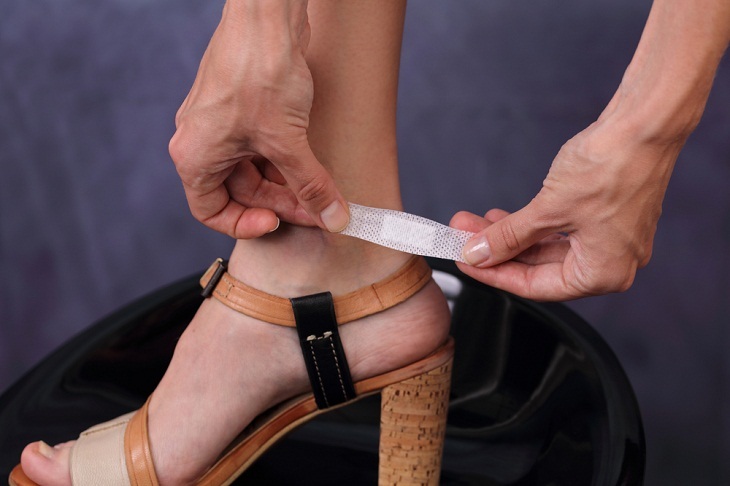
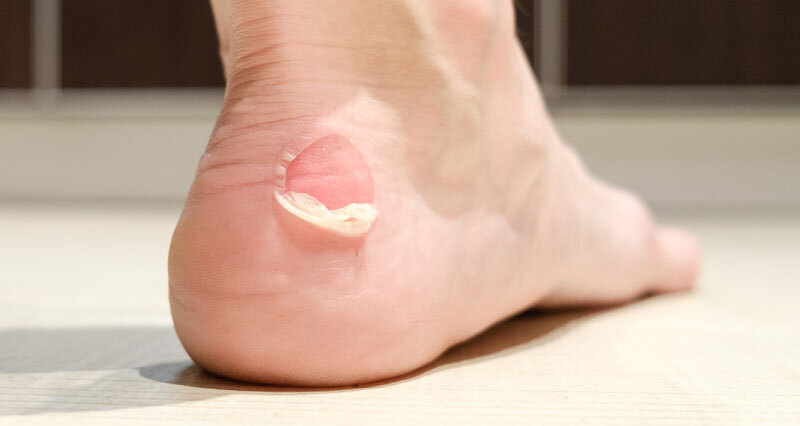
After a blister has healed, the skin beneath may appear delicate, pink, and slightly thinner than the surrounding tissue. This newly regenerated skin is more susceptible to irritation and re-injury. Proper care during this phase is crucial for restoring the skin’s strength and preventing the recurrence of blisters. A gentle and consistent approach will support the skin’s natural healing and protective functions.The process of skin regeneration after a blister involves several stages.
Initially, the blister fluid, which acts as a natural cushion, is absorbed. The damaged skin cells at the base of the blister begin to shed, making way for new epidermal cells to form. This new skin is initially very sensitive and lacks the robust protective layers of mature skin. Over time, with proper care, these layers thicken and strengthen, gradually regaining their normal resilience.
Skin Regeneration Process
The healing of a blister is a testament to the body’s remarkable ability to repair itself. Once the blister has deflated or been opened and drained, the underlying skin is exposed to the air. This exposure triggers a cascade of cellular events. Fibroblasts begin to lay down new collagen, providing a structural framework, while keratinocytes migrate from the edges of the wound to cover the exposed area.
This process is analogous to a construction site where new building materials are brought in and assembled to create a stronger structure. The initial pinkness is due to increased blood supply to the area, which is essential for delivering nutrients and immune cells to facilitate healing. As the new skin matures, this blood supply normalizes, and the skin regains its usual color and texture.
Moisturizing and Protecting Newly Healed Skin
Newly healed skin requires consistent hydration and protection to rebuild its natural barrier function. Applying a gentle, fragrance-free moisturizer regularly helps to keep the skin supple and prevent it from becoming dry and cracked, which can lead to further irritation and potential re-blistering. Opt for emollients that contain ingredients like ceramides, hyaluronic acid, or shea butter, which are known for their skin-repairing properties.To protect this delicate skin, consider wearing soft, breathable socks made from moisture-wicking materials like merino wool or bamboo.
Avoid tight-fitting footwear that can cause friction. If the area is still particularly sensitive, a protective dressing or a silicone heel protector can provide an additional layer of cushioning and reduce pressure points.
Preventing Recurrence of Blisters
Preventing blisters from forming again in the same area involves addressing the root causes that led to the initial blister. This often includes ensuring that footwear fits correctly and does not rub or pinch. Regularly inspecting your shoes for any internal seams or rough spots that could cause friction is also advisable. For areas prone to blistering, consider using specialized blister prevention products, such as moleskin or anti-friction balms, applied before engaging in activities that typically cause blisters.
Daily Foot Care Routine for Healthy Skin
Establishing a daily foot care routine is fundamental to maintaining healthy skin and preventing future blister formation. This routine should be simple yet effective, focusing on cleanliness, hydration, and early detection of any issues.A recommended daily foot care routine includes:
- Washing: Gently wash your feet with mild soap and lukewarm water. Ensure thorough rinsing to remove all soap residue.
- Drying: Pat your feet dry carefully, paying special attention to the spaces between your toes to prevent fungal infections.
- Moisturizing: Apply a moisturizer to your feet, focusing on areas prone to dryness or those that have previously blistered. Avoid applying moisturizer between the toes, as this can create a moist environment conducive to fungal growth.
- Inspection: Take a moment to inspect your feet for any signs of redness, irritation, calluses, or the early beginnings of blisters. Early detection allows for prompt intervention.
- Sock Change: If you wear socks, change them daily, or more frequently if your feet tend to sweat.
Consistency is key to this routine. By dedicating a few minutes each day to your foot care, you significantly enhance the health and resilience of your skin, making it less vulnerable to the discomfort and disruption caused by blisters.
Final Conclusion
By understanding blister formation, implementing prompt first aid, adopting preventative measures, and knowing when to seek professional advice, you can effectively manage and eliminate painful blisters. This guide empowers you to make informed choices about footwear and foot care, ensuring your journey is always comfortable.