How to Deal with Shin Splints and Stop Them from Coming Back is your comprehensive guide to understanding, managing, and preventing this common and often debilitating condition. We delve into the root causes, offer immediate relief strategies, and provide a clear path to full recovery and long-term prevention.
This detailed exploration will equip you with the knowledge to identify the physiological factors, recognize the distinct symptoms, and pinpoint the common risk factors that contribute to shin splints. Furthermore, we will differentiate shin splints from other potential lower leg injuries, ensuring accurate diagnosis and effective treatment. Our focus extends to immediate management techniques, including the crucial RICE therapy, and progresses to in-depth rehabilitation and strengthening exercises designed to rebuild resilience and prepare you for a safe return to your activities.
Understanding Shin Splints

Shin splints, medically known as medial tibial stress syndrome (MTSS), are a common ailment among athletes and active individuals, characterized by pain along the shinbone. This condition arises from repetitive stress on the tibia and the connective tissues that attach muscles to the bone. Understanding the underlying causes, symptoms, and contributing factors is crucial for effective management and prevention.This section will delve into the physiological basis of shin splints, Artikel their typical manifestations, identify prevalent risk factors, and differentiate them from other potential lower leg injuries.
Physiological Causes of Shin Splints
Shin splints develop due to overuse and repetitive impact on the lower leg. When the muscles, tendons, and bone tissue around the tibia are subjected to forces greater than they can withstand, microtears can occur in the muscle fibers and the periosteum, the membrane covering the bone. This inflammation and irritation lead to the characteristic pain. The tibialis anterior and posterior muscles, as well as the soleus muscle, are commonly implicated.
These muscles play a vital role in foot dorsiflexion and inversion, and their overuse, particularly during activities involving running, jumping, or rapid changes in direction, can overload these structures. The periosteum, which is rich in nerve endings, becomes inflamed, contributing significantly to the pain experienced.
Common Symptoms of Shin Splints
The hallmark symptom of shin splints is pain that runs along the inner edge of the shinbone (tibia). This pain is typically dull and aching but can become sharp and intense with continued activity.Here are the common symptoms associated with shin splints:
- Pain that develops gradually, often during or after exercise.
- Pain that can be felt along the inner or front part of the shin.
- Tenderness to touch along the shinbone.
- Pain that may lessen with rest but returns with activity.
- Mild swelling in the affected area.
- Pain that can range from a mild ache to a sharp, debilitating sensation.
Typical Risk Factors for Shin Splints
Several factors can increase an individual’s susceptibility to developing shin splints. Recognizing these risk factors allows for proactive measures to be taken.Common risk factors include:
- Sudden Increase in Activity: Rapidly increasing the intensity, duration, or frequency of exercise without adequate adaptation. For example, a runner who goes from running 5 miles a week to 20 miles a week without a gradual build-up is at higher risk.
- Inadequate Footwear: Wearing worn-out shoes or shoes that do not provide sufficient support and cushioning.
- Foot Mechanics: Having flat feet (pes planus) or excessively high arches (pes cavus), which can alter the biomechanics of the foot and leg during impact.
- Hard Surfaces: Running or exercising on hard surfaces like concrete or asphalt can increase the impact forces on the lower legs.
- Improper Training Techniques: Poor running form or inadequate warm-up and cool-down routines.
- Muscle Weakness or Imbalances: Weak calf muscles or core muscles can lead to compensatory overuse of other leg muscles.
- Previous Shin Splints: A history of shin splints can make individuals more prone to recurrence.
Shin Splints Versus Other Lower Leg Injuries
It is important to distinguish shin splints from other potential lower leg injuries, as the treatment and management strategies can differ significantly. The most common confusion arises with stress fractures.A key distinction lies in the nature of the pain and the physical examination findings.
| Feature | Shin Splints (MTSS) | Stress Fracture |
|---|---|---|
| Pain Location | Pain along a diffuse area of the tibia, often along the medial border. | Pain localized to a specific point on the bone, which is exquisitely tender to touch. |
| Pain Character | Dull ache, can become sharp with activity. | Sharp, localized pain that may be present even at rest and worsens with weight-bearing. |
| Palpation | Tenderness over a broader area of the tibia. | Sharp, pinpoint tenderness directly over the bone. |
| Swelling | Mild, diffuse swelling may be present. | Localized swelling may occur over the fracture site. |
| Imaging | X-rays may be normal initially; bone scan or MRI may show inflammation of the periosteum. | X-rays may show a stress fracture after a few weeks; bone scan or MRI can detect it earlier. |
While shin splints involve inflammation of the muscles and periosteum due to overuse, a stress fracture is a tiny crack in the bone itself. If shin splints are suspected but the pain is severe, localized, and persistent, medical evaluation is recommended to rule out a stress fracture or other more serious injuries.
Immediate Management of Shin Splints
When shin splints strike, the immediate goal is to reduce pain and inflammation and prevent further aggravation. This phase is crucial for setting the stage for effective recovery and preventing the condition from becoming chronic. Addressing the discomfort promptly and appropriately can significantly shorten your recovery time and help you return to your activities safely.This section will guide you through the essential steps for managing acute shin splint pain, focusing on immediate relief and protective measures.
RICE Therapy for Acute Shin Splint Pain
The RICE protocol is a cornerstone of managing acute soft tissue injuries, including shin splints. It provides a structured approach to reducing inflammation and pain in the affected area. Adhering to these steps diligently in the initial 48-72 hours after the onset of pain is highly recommended.Follow this step-by-step guide for effective RICE therapy:
- Rest: Cease any activity that exacerbates your shin pain. This might mean taking a break from running, jumping, or even prolonged walking. The duration of rest will depend on the severity of your pain, but listen to your body and avoid pushing through discomfort. Complete rest from aggravating activities is paramount in the initial stages.
- Ice: Apply an ice pack or a cold compress to the affected shin for 15-20 minutes at a time. This should be done every 2-3 hours while you are awake. It is important to wrap the ice pack in a thin towel to prevent frostbite or skin damage. Icing helps to constrict blood vessels, reducing swelling and numbing the pain.
- Compression: Use an elastic bandage or a compression sleeve to wrap the affected shin. The compression should be snug but not so tight that it cuts off circulation or causes numbness or tingling. This helps to reduce swelling and provide support to the injured area. Ensure the wrap starts below the painful area and moves upwards.
- Elevation: Whenever possible, elevate your injured leg above the level of your heart. This can be done by propping your leg up on pillows while sitting or lying down. Elevation uses gravity to help drain excess fluid away from the injured site, further reducing swelling and pain.
Effective Stretching Exercises for Immediate Discomfort
Gentle stretching can help alleviate immediate tightness and discomfort associated with shin splints. It’s important to perform these stretches cautiously and avoid any movements that increase pain. These exercises focus on the muscles in the lower leg that are often implicated in shin splints.Perform these stretches gently, focusing on elongating the muscles without causing sharp pain:
- Calf Stretch (Gastroc and Soleus): Stand facing a wall, place your hands on the wall, and step one foot back, keeping the back leg straight and the heel on the ground. Lean forward until you feel a stretch in the calf of the back leg. Hold for 30 seconds and repeat on the other leg. For the soleus stretch, slightly bend the knee of the back leg while keeping the heel down.
- Anterior Tibialis Stretch: Sit on the floor with your legs extended. Cross one leg over the other and gently pull the toes of the bottom foot towards your shin. You should feel a stretch along the front of your shin. Hold for 30 seconds and repeat on the other leg. Alternatively, kneel on the floor with your feet flat on the ground behind you, then lean back gently, placing your hands on the floor behind you for support.
- Toe Curls: Sit on a chair with your feet flat on the floor. Place a small towel under one foot. Using only the toes of that foot, try to scrunch up the towel and pull it towards you. Repeat this motion several times. This exercise strengthens the muscles on the bottom of your foot, which can indirectly support the shin.
Importance of Activity Modification
During the initial recovery phase of shin splints, modifying your activities is not just important; it is critical. Continuing with high-impact activities that caused the shin splints will only prolong your recovery, potentially worsen the injury, and increase the risk of recurrence. The goal is to allow the inflamed tissues to heal.
“The most effective way to manage shin splints is to respect the pain and modify activities accordingly.”
This means making conscious decisions to reduce or eliminate the activities that trigger your pain. For runners, this could mean a temporary switch to low-impact cross-training like swimming, cycling, or elliptical training. For individuals who stand or walk for long periods, it might involve taking more frequent breaks or finding ways to reduce the duration of these activities. The key is to find alternatives that keep you active without stressing the injured area.
Sample Daily Routine for the First 48-72 Hours
This sample routine Artikels a typical day for managing shin splints in the initial critical period. It integrates the RICE protocol with gentle movements and activity modification to promote healing and manage pain. Remember to adjust this based on your personal pain levels and your doctor’s or physical therapist’s recommendations. Morning:
- Gentle waking stretches (e.g., toe curls, ankle circles)
- Apply ice for 15-20 minutes
- Elevate leg while having breakfast
- Light, low-impact activity (e.g., short walk on flat surface if pain-free, or water exercises)
Midday:
- Apply ice for 15-20 minutes
- Perform gentle stretching exercises
- Elevate leg during rest periods
- Avoid prolonged standing or walking
Afternoon:
- If engaging in cross-training, ensure it is pain-free and low-impact
- Apply ice for 15-20 minutes
- Perform anterior tibialis and calf stretches
Evening:
- Apply ice for 15-20 minutes
- Elevate leg while relaxing
- Gentle calf and anterior tibialis stretches before bed
- Ensure comfortable sleeping position with leg elevated if needed
Throughout the day, continuously monitor your pain levels. If any activity or exercise increases your pain, stop immediately and reassess. Consistency with rest, ice, compression, and elevation is key to successful initial management.
Rehabilitation and Strengthening Exercises
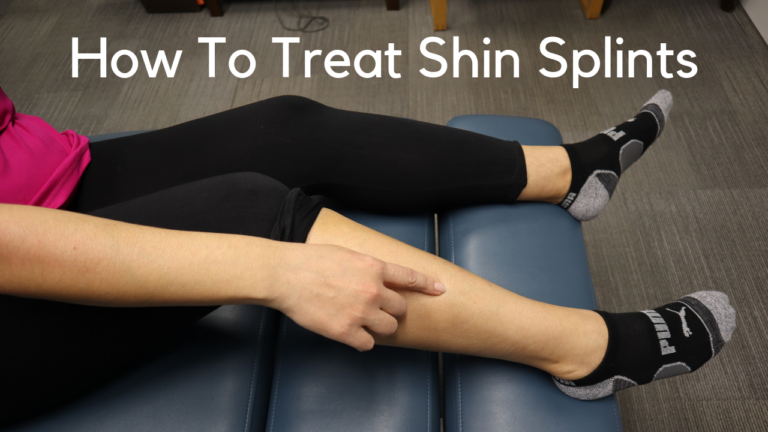
Once the acute pain of shin splints has subsided and you’ve begun immediate management, the crucial next step is rehabilitation and strengthening. This phase is designed to rebuild the strength and resilience of your lower leg muscles, specifically targeting those that have become overloaded and are prone to injury. A progressive approach ensures that you gradually increase the demands on your muscles, preventing re-injury and setting you up for a successful return to your desired activities.This program focuses on strengthening the muscles that support the tibia and absorb impact during movement.
By systematically working these muscle groups, you can improve their endurance, power, and ability to handle the stresses of running, jumping, or other high-impact activities. Consistency and proper form are paramount throughout this rehabilitation process.
Progressive Exercise Program Design
A well-structured rehabilitation program begins with low-impact exercises and gradually progresses to more challenging movements as your strength and pain tolerance improve. This phased approach is essential for allowing tissues to heal and adapt without being re-aggravated.The progression typically follows these stages:
- Early Stage (Pain-Free Movement): Focus on gentle range of motion and isometric exercises.
- Mid Stage (Building Strength): Introduce resistance exercises with light weights or resistance bands, focusing on controlled movements.
- Late Stage (Functional Strength and Power): Incorporate plyometric exercises and sport-specific drills to prepare for a return to activity.
Each stage should be entered only when the previous stage is completed without pain or discomfort. The duration of each stage will vary depending on individual recovery rates.
Targeting Tibialis Anterior and Calf Muscles
The tibialis anterior, located on the front of your shin, and the calf muscles (gastrocnemius and soleus) are primary contributors to shin splint pain when they are weak or fatigued. Strengthening these muscles is key to preventing recurrence.Exercises specifically targeting these muscles include:
- Tibialis Anterior Strengthening: Toe raises (described below) are fundamental.
- Calf Muscle Strengthening: Calf raises (described below) are essential for building strength in the posterior lower leg.
It’s important to perform these exercises with proper form to maximize their effectiveness and avoid strain.
Calf Raises and Toe Raises Technique
Mastering the technique for calf raises and toe raises ensures you are effectively engaging the target muscles and minimizing the risk of injury. Calf Raises:
- Stand with your feet hip-width apart, with your toes pointing forward. You can stand near a wall or sturdy object for balance if needed.
- Slowly rise up onto the balls of your feet, lifting your heels as high as possible. Focus on squeezing your calf muscles at the top of the movement.
- Hold this position for a second or two.
- Slowly lower your heels back down to the starting position, ensuring a controlled descent.
- Repeat for the desired number of repetitions.
For added resistance as you progress, you can hold dumbbells or use a calf raise machine. Ensure your knees remain straight but not locked. Toe Raises (Tibialis Anterior Raises):
- Sit on a chair with your feet flat on the floor, or stand with your heels on the floor and toes lifted.
- Keeping your heels on the ground, lift your toes and the front of your feet as high as you can towards your shins. You should feel a contraction in the muscles on the front of your lower leg.
- Hold this position for a second or two.
- Slowly lower your toes back to the floor.
- Repeat for the desired number of repetitions.
As you progress, you can add resistance by placing a light weight plate or a resistance band around your forefoot and pulling it towards you.
Sequence for Gradual Return to Activity
A structured sequence of exercises helps to gradually reintroduce your body to the demands of your sport or activity. This ensures a smooth transition and reduces the likelihood of setbacks.The typical sequence involves:
- Low-Impact Aerobic Activities: Begin with activities like walking, cycling, or swimming, which place minimal stress on the shins.
- Gradual Increase in Intensity and Duration: Slowly increase the time spent on these activities and the intensity of your workouts.
- Introduction of Running/Jumping Drills: Once pain-free with aerobic activities, begin with short intervals of running or controlled jumping, with ample rest periods.
- Sport-Specific Movements: Integrate movements that mimic your sport or activity, gradually increasing complexity and intensity.
- Full Return to Activity: A complete return is only advised when you can perform your sport or activity at your previous level without pain.
It is crucial to listen to your body throughout this process and not push through pain.
Incorporating Resistance Bands into Rehabilitation
Resistance bands are an excellent tool for rehabilitation because they offer variable resistance, are portable, and allow for a wide range of motion. They can be used to effectively strengthen the tibialis anterior and calf muscles.Methods for using resistance bands include:
- Tibialis Anterior Strengthening: Sit with your legs extended. Loop a resistance band around the ball of your foot and anchor the other end to a stable object (like a table leg). Pull your toes towards your shin against the resistance of the band. Control the movement as you return to the starting position.
- Calf Strengthening: Stand on the middle of a resistance band with your feet hip-width apart. Hold the ends of the band in your hands. Perform calf raises as described previously, using the band’s resistance to increase the challenge. You can also loop the band under your toes and stand on it, then perform calf raises for added resistance on the plantarflexion movement.
- Proprioception and Balance: Resistance bands can be used in conjunction with balance exercises to challenge your ankle stability and the stabilizing muscles of your lower leg.
Always start with a lighter resistance band and gradually increase to stronger bands as your strength improves. Ensure smooth, controlled movements throughout the exercise.
Prevention Strategies for Recurrence
Preventing shin splints from returning is as crucial as treating them. By implementing a proactive approach, you can significantly reduce your risk and continue enjoying your activities without pain. This section will delve into key strategies that help safeguard your shins from future injury.Adopting a holistic approach that addresses various aspects of your training and equipment can make a substantial difference in preventing shin splints from recurring.
It’s about creating a supportive environment for your lower legs and ensuring your body is adequately prepared for the demands placed upon it.
Proper Footwear Selection
The shoes you wear play a fundamental role in supporting your feet and absorbing impact, directly influencing the stress placed on your shin muscles and bones. Choosing the right footwear can act as a primary defense against shin splints.It is important to consider the following aspects when selecting footwear:
- Fit: Ensure shoes are the correct size, with ample room in the toe box and a snug heel fit to prevent slippage. Ill-fitting shoes can alter your gait and increase stress on your lower legs.
- Cushioning: Adequate cushioning helps to absorb shock during impact activities like running. Different shoes offer varying levels of cushioning, so choose based on your activity and personal preference.
- Support: The type of support needed depends on your foot type. Overpronators may benefit from stability shoes, while neutral runners might prefer cushioned shoes.
- Activity-Specific Shoes: Using shoes designed for your specific sport or activity (e.g., running shoes for running, court shoes for tennis) provides the appropriate support and features for that activity.
- Shoe Lifespan: Running shoes typically lose their cushioning and support after 300-500 miles. Regularly replacing worn-out shoes is essential for continued protection.
Gradual Training Progression
Sudden increases in the intensity, duration, or frequency of your training are common culprits behind shin splints. A gradual approach allows your body to adapt to the increased demands, strengthening muscles and bones and reducing the risk of overuse injuries.The principle of progressive overload is vital for athletic development and injury prevention. This involves systematically increasing the stress on your body over time, allowing for adaptation and improvement.Key principles for gradual training progression include:
- The 10% Rule: A widely recommended guideline is to increase your training volume (e.g., mileage, time) by no more than 10% per week. This slow and steady increase gives your body time to adjust.
- Listen to Your Body: Pay close attention to any signs of fatigue or discomfort. Pushing through pain can lead to more severe injuries.
- Vary Intensity: Instead of increasing intensity every session, incorporate varied workouts. Include days of higher intensity with adequate recovery days.
- Rest and Recovery: Ensure sufficient rest days are built into your training schedule. Recovery is when your body repairs and strengthens itself.
- Phased Training: Structure your training into phases, with periods of higher volume or intensity followed by lighter periods to allow for recovery and adaptation.
Effective Warm-Up and Cool-Down Routines
Proper warm-up and cool-down routines are integral to preparing your body for exercise and aiding its recovery, thereby minimizing the risk of shin splints.A dynamic warm-up prepares your muscles for the activity ahead, increasing blood flow and flexibility. A static cool-down helps to gradually lower your heart rate and improve flexibility, aiding in muscle recovery.Recommended components for warm-up and cool-down include:
Warm-Up (5-10 minutes)
- Light Aerobic Activity: Begin with 3-5 minutes of light cardio, such as brisk walking or jogging, to elevate your heart rate.
- Dynamic Stretches: Perform dynamic stretches that mimic the movements of your sport or activity. Examples include:
- Leg swings (forward/backward and side-to-side)
- High knees
- Butt kicks
- Walking lunges
- Arm circles
- Muscle Activation: Include exercises that activate the muscles around your shins and ankles, such as calf raises and ankle circles.
Cool-Down (5-10 minutes)
- Light Aerobic Activity: Gradually decrease the intensity of your activity for a few minutes.
- Static Stretches: Hold static stretches for 20-30 seconds, focusing on the calf muscles, hamstrings, quadriceps, and tibialis anterior. Examples include:
- Calf stretch against a wall
- Hamstring stretch (seated or standing)
- Quad stretch
- Toe touch stretch (for tibialis anterior)
Appropriate Running Surfaces
The surface on which you run or train can significantly impact the forces transmitted through your legs, influencing your susceptibility to shin splints. Choosing the right surface can help mitigate this stress.Different surfaces offer varying degrees of shock absorption and impact. Understanding these differences can help you make informed choices to protect your shins.Consider the following when selecting running surfaces:
- Soft Surfaces: Trails, grass, and synthetic tracks generally offer better shock absorption than harder surfaces. These can be beneficial for reducing impact.
- Hard Surfaces: Concrete and asphalt are the hardest surfaces and transmit the most impact force to your legs. While convenient, they should be used with caution, especially if you are prone to shin splints.
- Treadmills: Treadmills offer a consistent surface but can be less forgiving than softer outdoor options. Some treadmills have adjustable cushioning.
- Alternating Surfaces: If possible, vary the surfaces you run on. This can help distribute the stress and prevent overuse of specific muscle groups.
- Surface Consistency: Uneven or unpredictable surfaces can increase the risk of ankle sprains and other injuries, so be mindful of your footing.
Arch Support and Foot Types
The arch of your foot plays a crucial role in shock absorption and distributing force. Different arch types require different types of support to maintain proper biomechanics and prevent excessive stress on the shin.Understanding your foot type is the first step in selecting appropriate arch support. This can often be determined by a simple wet test or by consulting a podiatrist or athletic footwear specialist.Here’s a comparison of arch types and their associated support needs:
| Arch Type | Characteristics | Potential Issues | Recommended Support |
|---|---|---|---|
| High Arch (Supinated) | A significant curve, leaving a large gap between the heel and the ball of the foot when wet. Feet tend to roll outward. | Less shock absorption, increased stress on the outer foot and shin. | Neutral shoes with ample cushioning to absorb shock. Avoid motion control shoes. |
| Normal Arch (Neutral) | A moderate curve, showing a distinct footprint with a visible band connecting the heel and forefoot. Feet roll inward slightly. | Generally biomechanically efficient, but can still develop shin splints with overuse. | A wide range of shoes, including neutral and some stability shoes, depending on training volume and individual biomechanics. |
| Flat Arch (Pronated) | The entire sole of the foot touches the ground, with little to no visible arch. Feet tend to roll inward excessively. | Overpronation can lead to increased stress on the inner shin, ankles, and knees. | Stability or motion control shoes to help limit excessive inward rolling. Orthotic inserts may also be beneficial. |
In addition to shoe-based support, over-the-counter or custom orthotic inserts can provide targeted arch support and help correct biomechanical issues contributing to shin splints.
Importance of Cross-Training
Cross-training involves incorporating a variety of physical activities into your training regimen. This strategy is highly effective in preventing shin splints by reducing the repetitive stress associated with a single activity.By engaging in different forms of exercise, you work different muscle groups, improve overall fitness, and allow the tissues involved in your primary activity to recover.The benefits of cross-training for shin splint prevention include:
- Reduced Repetitive Stress: Engaging in activities like swimming, cycling, or elliptical training places less direct impact and strain on your lower legs compared to running.
- Balanced Muscle Development: Cross-training can help strengthen supporting muscles in your hips, core, and upper body, which can improve your overall biomechanics and reduce compensatory stress on your shins.
- Improved Cardiovascular Fitness: You can maintain or improve your cardiovascular health without the constant pounding of your primary sport.
- Mental Break: Varying your workouts can prevent boredom and keep you motivated, making it easier to stick to a consistent training plan.
- Injury Prevention: By diversifying your physical stress, you reduce the likelihood of developing overuse injuries like shin splints.
Examples of effective cross-training activities include:
- Cycling
- Swimming
- Elliptical training
- Rowing
- Yoga or Pilates (for core strength and flexibility)
- Strength training (focusing on legs, hips, and core)
Biomechanical Considerations and Corrections
Understanding the underlying biomechanical factors contributing to shin splints is crucial for effective management and long-term prevention. These factors relate to how your body moves, particularly your feet, ankles, knees, and hips, during activities like running or walking. Addressing these can significantly reduce the stress placed on your lower leg.Biomechanical issues often create an imbalance in the forces applied to the tibia, leading to inflammation and pain.
Identifying and correcting these patterns can prevent the recurrence of shin splints and improve overall athletic performance.
Common Biomechanical Issues Predisposing to Shin Splints
Several common biomechanical deviations can increase an individual’s susceptibility to developing shin splints. These often involve the kinetic chain, where a problem in one area can affect others.
- Overpronation: This is the excessive inward rolling of the foot after landing. When the arch of the foot collapses too much, it causes the tibia to rotate inward, placing abnormal stress on the muscles and bone.
- Supination (Underpronation): While less common, excessive supination (outward rolling of the foot) can also be problematic. This leads to a rigid foot that doesn’t absorb shock effectively, transmitting more impact force up the leg.
- Foot Structure: High arches or flat feet can both contribute to biomechanical issues. High arches may indicate a rigid foot less able to absorb shock, while flat feet often correlate with overpronation.
- Leg Length Discrepancy: A significant difference in leg length can lead to uneven weight distribution and altered gait mechanics, potentially stressing one leg more than the other.
- Muscle Imbalances: Weakness or tightness in certain muscle groups, such as the calf muscles (gastrocnemius and soleus), tibialis anterior, or hip abductors, can disrupt proper movement patterns.
- Poor Posture: Forward head posture or rounded shoulders can affect the entire body’s alignment, influencing how forces are distributed during locomotion.
Assessing Foot Strike Patterns and Gait Analysis
Observing how you land and move during activity is a key step in identifying biomechanical issues. Professional gait analysis provides the most accurate assessment, but some observations can be made independently.A thorough gait analysis can reveal subtle issues that might not be apparent during static observation. This often involves observing the runner on a treadmill or during their natural activity, sometimes with the aid of video recording and specialized software.
- Foot Strike Pattern: This refers to the part of the foot that first makes contact with the ground.
- Heel Striking: Landing on the heel first is common but can lead to increased impact forces if not managed with proper form and cushioning.
- Midfoot Striking: Landing on the middle of the foot, which allows for better shock absorption.
- Forefoot Striking: Landing on the ball of the foot, which can be efficient but may increase stress on the Achilles tendon and calf muscles if not conditioned properly.
- Gait Analysis Components:
- Cadence: The number of steps taken per minute. A higher cadence (around 170-180 steps per minute) is often associated with a shorter stride and potentially less impact per step.
- Stride Length: The distance covered in one full gait cycle. Overstriding, where the foot lands too far in front of the body, can increase braking forces and stress on the lower leg.
- Knee and Hip Mechanics: Observing the degree of knee flexion upon landing and the stability of the hips during the stance phase. Excessive inward collapse of the knee (valgus) or hip drop can indicate weakness in stabilizing muscles.
- Foot Pronation/Supination: Observing the degree and speed of the foot’s roll after landing.
Core and Hip Strengthening for Shin Splint Prevention
While shin splints directly affect the lower leg, the stability and strength of the core and hips play a significant indirect role in preventing them. A strong and stable core and hips act as a foundation for efficient movement, reducing the compensatory stress on the lower extremities.When the core and hip muscles are weak, the body may overcompensate by increasing the workload on the lower leg muscles to maintain stability.
This can lead to fatigue and overuse injuries like shin splints.
- Core Strengthening: A strong core (abdominal muscles, obliques, lower back muscles) provides a stable base for all limb movements. This helps control rotation and maintain proper posture, reducing the transmission of excessive forces down the legs.
- Exercises: Planks, side planks, bird-dog, dead bug, and Russian twists.
- Hip Strengthening: The hip abductors (gluteus medius and minimus) are particularly important for stabilizing the pelvis during single-leg stance, which is prevalent in running and walking. Weak hips can lead to the knee collapsing inward and the foot overpronating.
- Exercises: Glute bridges, clamshells, lateral band walks, hip abduction exercises, and single-leg squats.
The Role of Orthotics and Their Potential Benefits
Orthotics are shoe inserts designed to support the foot and correct biomechanical abnormalities. They can be custom-made or over-the-counter and are often recommended for individuals with significant foot structure issues or gait deviations.Orthotics work by realigning the foot and ankle, improving shock absorption, and reducing excessive pronation or supination. This can help distribute forces more evenly and alleviate stress on the tibia.
- Benefits of Orthotics:
- Arch Support: Providing support to flat or low arches can help control overpronation.
- Heel Cups: Stabilizing the heel can improve alignment and reduce impact forces.
- Motion Control: Some orthotics are designed to limit excessive foot motion, such as overpronation.
- Cushioning: Adding extra cushioning can help absorb shock during impact.
- Considerations:
- Orthotics are not a one-size-fits-all solution and should ideally be fitted by a healthcare professional after a biomechanical assessment.
- They are a tool to aid in correction and should be used in conjunction with strengthening and stretching exercises.
- The effectiveness can vary depending on the individual and the specific biomechanical issue.
Self-Assessment Checklist for Biomechanical Factors
This checklist can help you identify potential biomechanical factors that might be contributing to your shin splints. While not a substitute for professional evaluation, it can provide valuable insights.
- Footwear Observation:
- Examine the wear pattern on your old athletic shoes. Is there excessive wear on the inside edge (indicating overpronation) or outside edge (indicating supination)?
- Are your shoes worn out? Worn-out shoes lose their cushioning and support.
- Foot Arch Assessment:
- Perform the “wet test”: Wet your feet and stand on a flat surface (like a piece of paper or concrete).
- If you see a full footprint with little to no curve on the inside, you likely have flat feet (overpronator).
- If you see only the heel and ball of your foot with a very thin line connecting them, you likely have high arches (potential supinator).
- A normal arch will show a distinct curve on the inside.
- Perform the “wet test”: Wet your feet and stand on a flat surface (like a piece of paper or concrete).
- Leg Alignment:
- Stand in front of a mirror. Do your knees appear to knock together (valgus collapse)?
- Are your ankles rolling excessively inward when you stand or walk?
- Calf Flexibility and Strength:
- Can you easily touch your toes with straight legs? Tight hamstrings can affect pelvic tilt and gait.
- Perform a single-leg calf raise. Can you do 15-20 repetitions with good form on each leg?
- Hip Strength and Stability:
- While standing on one leg, can you maintain a stable pelvis without your hip dropping significantly on the unsupported side?
- Do you experience any pain or instability in your hips during movement?
- Gait Observation (if possible):
- Ask someone to film you walking or running from the side and front.
- Does your foot land flat, on the heel, or on the forefoot?
- Does your foot roll inward excessively after landing?
- Is your stride length appropriate, or do you appear to be overstriding?
- Ask someone to film you walking or running from the side and front.
Nutritional and Lifestyle Factors
Beyond targeted exercises and proper footwear, optimizing your diet and lifestyle plays a crucial role in managing shin splints and preventing their return. These factors directly influence your body’s ability to repair tissue, reduce inflammation, and build resilience against the stresses of activity.Hydration is fundamental to overall muscle function and injury prevention. Water is essential for transporting nutrients to your muscles, removing waste products, and maintaining the elasticity of tissues.
Dehydration can lead to muscle cramps, reduced performance, and increased susceptibility to strains and tears, including those that contribute to shin splints. Ensuring adequate fluid intake before, during, and after exercise is paramount for optimal muscle health.
Anti-Inflammatory Foods for Recovery
Incorporating foods with anti-inflammatory properties can significantly aid in the recovery process from shin splints by helping to reduce swelling and discomfort. These foods provide essential nutrients that support the body’s natural healing mechanisms.A diet rich in these components can help combat the inflammation associated with shin splints:
- Omega-3 Fatty Acids: Found in fatty fish like salmon, mackerel, and sardines, as well as in flaxseeds, chia seeds, and walnuts, these fats are potent anti-inflammatories.
- Fruits and Vegetables: Berries (blueberries, strawberries), cherries, leafy greens (spinach, kale), broccoli, and bell peppers are packed with antioxidants and phytonutrients that fight inflammation.
- Turmeric and Ginger: These spices contain curcumin and gingerol, respectively, which are well-known for their powerful anti-inflammatory effects.
- Nuts and Seeds: Almonds, walnuts, and sunflower seeds offer a good source of vitamin E and healthy fats that contribute to reduced inflammation.
- Olive Oil: Extra virgin olive oil is a staple in the Mediterranean diet and contains oleocanthal, a compound with anti-inflammatory properties similar to ibuprofen.
Sleep and Tissue Repair
Adequate sleep is a cornerstone of physical recovery and injury prevention. During sleep, the body undertakes critical repair processes, including muscle regeneration and tissue healing. Insufficient sleep can impair these processes, making you more vulnerable to overuse injuries like shin splints.The restorative benefits of sleep for athletes and active individuals include:
- Hormonal Regulation: Growth hormone, crucial for tissue repair and muscle growth, is primarily released during deep sleep.
- Reduced Inflammation: Chronic sleep deprivation can increase systemic inflammation, hindering the body’s ability to heal.
- Improved Cognitive Function: Better sleep leads to improved focus and coordination, reducing the risk of compensatory movements that can strain the shins.
Aiming for 7-9 hours of quality sleep per night is generally recommended for optimal recovery and injury prevention.
Supplements for Bone and Muscle Health
While a balanced diet should be the primary source of nutrients, certain supplements may offer additional support for bone and muscle health, potentially benefiting individuals prone to shin splints. It is always advisable to consult with a healthcare professional or registered dietitian before starting any new supplement regimen.Potential supplements that may support bone and muscle health include:
- Calcium: Essential for bone strength and density. Sources include dairy products, leafy greens, and fortified foods.
- Vitamin D: Crucial for calcium absorption and bone health, and plays a role in muscle function. Sunlight exposure and fortified foods are primary sources.
- Magnesium: Involved in over 300 biochemical reactions in the body, including muscle and nerve function, and bone health. Found in nuts, seeds, whole grains, and leafy greens.
- Vitamin C: Important for collagen synthesis, a key component of connective tissues and bone. Abundant in citrus fruits, berries, and bell peppers.
- Creatine: While primarily known for its performance-enhancing benefits in strength and power activities, creatine supplementation has also been linked to improved muscle recovery and reduced muscle damage.
It is important to note that supplements are intended to complement, not replace, a healthy diet and lifestyle.
Returning to Activity Safely
Transitioning back to your regular activities after experiencing shin splints requires a thoughtful and structured approach to prevent a relapse. This phase is crucial for ensuring that your lower legs have fully recovered and are resilient enough to handle the demands of running, sports, or other physical endeavors. A well-planned return minimizes the risk of re-injury and builds confidence in your body’s ability to perform.This section Artikels a phased return-to-activity plan, detailing how to monitor for pain, manage discomfort, and gradually increase your training load.
By following these guidelines, you can effectively and safely reintroduce yourself to the activities you enjoy.
Phased Return-to-Activity Plan
A structured, phased approach is paramount when returning to activity after shin splints. This allows your tissues to gradually adapt to the increasing stress, rather than being overwhelmed by a sudden return to previous levels of activity. Each phase builds upon the success of the previous one, with clear criteria for progression.Here is a typical phased return-to-activity plan:
- Phase 1: Pain-Free Walking and Low-Impact Activities.
- Focus on comfortable, brisk walking for 20-30 minutes, 3-4 times per week.
- Incorporate cross-training activities that do not aggravate your shin pain, such as swimming, cycling (with low resistance), or using an elliptical trainer.
- Ensure these activities are performed without any onset of shin pain during or after the session.
- Hold this phase for at least one week, or until you can comfortably complete all sessions without any discomfort.
- Phase 2: Introduction to Running Intervals.
- Begin with short intervals of running interspersed with walking. For example, run for 1 minute, walk for 4 minutes, and repeat this cycle for 20-30 minutes.
- Perform these run-walk sessions 2-3 times per week, allowing at least one day of rest or cross-training between sessions.
- The goal is to gradually increase the duration of the running intervals and decrease the walking intervals as tolerated.
- Monitor closely for any return of pain. If pain occurs, revert to Phase 1 activities.
- Phase 3: Increasing Running Duration and Reducing Walk Breaks.
- Continue to increase the total duration of your running sessions. For instance, aim for 30-40 minutes of activity.
- Further decrease the walk breaks, perhaps progressing to running for 5 minutes and walking for 1 minute.
- You might also start to increase the frequency of running days, aiming for 3-4 running sessions per week, provided you remain pain-free.
- Phase 4: Running Continuously and Introducing Intensity.
- Aim to run continuously for 30-45 minutes without any walk breaks.
- Once you can comfortably run continuously, you can begin to introduce very gentle increases in intensity, such as slightly faster paces on some runs or incorporating very mild inclines.
- Continue to monitor your shins for any signs of discomfort.
- Phase 5: Return to Sport-Specific Activities.
- Gradually reintroduce drills and activities specific to your sport.
- Start with short durations and low intensity, progressively increasing as tolerated.
- Ensure you have a solid base of pain-free running before attempting full participation in sports.
Monitoring for Early Signs of Returning Pain
Vigilance in monitoring your body’s signals is crucial during the return-to-activity process. Early detection of pain allows for prompt adjustments, preventing a minor twinge from escalating into a full-blown shin splint recurrence. Understanding what to look for and how to respond can make a significant difference in your recovery journey.Pay close attention to the following indicators:
- Pain Location and Type: Note precisely where the pain is located (e.g., front of the shin, inner border) and its character (e.g., sharp, dull ache, throbbing). Shin splints typically manifest as a dull ache along the inner edge of the tibia or in the front of the lower leg.
- Timing of Pain: Observe when the pain occurs. Does it start during exercise, after exercise, or the morning after? Pain that begins during activity and worsens is a clear warning sign.
- Pain Intensity: Use a pain scale (e.g., 0-10, where 0 is no pain and 10 is worst pain imaginable). Any pain rating above a 2 or 3 should prompt caution and potential modification of your activity.
- Tenderness to Touch: Gently press along the affected area. Increased tenderness or sensitivity during palpation can indicate inflammation and stress on the bone or muscle.
- Swelling or Redness: While not always present, visible swelling or redness around the shin can be a sign of inflammation.
- Changes in Gait or Form: Notice if you unconsciously alter your running form or stride to compensate for discomfort. This can put undue stress on other parts of your body.
“Listen to your body; it will tell you when it needs a break or when it’s ready for more.”
Strategies for Managing Discomfort When Resuming Running or Sports
Experiencing mild discomfort is not uncommon when reintroducing your body to running or sports. The key is to manage this discomfort effectively so it doesn’t derail your progress. The goal is not to push through significant pain, but to work with mild, manageable sensations.Here are effective strategies for managing discomfort:
- Immediate Reduction of Activity: If you experience pain that exceeds a mild ache, stop the activity immediately. Do not try to “run it off.”
- Ice Application: Apply ice to the affected area for 15-20 minutes after exercise or when you experience discomfort. This helps reduce inflammation and numb the pain.
- Gentle Stretching: Perform gentle calf stretches and toe flexor stretches. Avoid aggressive stretching that might aggravate the area.
- Activity Modification: If running causes discomfort, switch to lower-impact activities like cycling or swimming. If a specific sport movement is problematic, modify it or focus on other aspects of training.
- Cross-Training: Continue with cross-training activities that are pain-free. This allows you to maintain cardiovascular fitness without stressing your shins.
- Adequate Rest: Ensure you are getting sufficient rest between training sessions. Overtraining is a common culprit for shin splint recurrence.
- Warm-up and Cool-down: Always perform a thorough warm-up before activity, including dynamic stretches, and a cool-down with static stretches afterward.
Approaches to Gradually Increasing Training Volume and Intensity
The principle of progressive overload is central to a safe return. This means gradually increasing the demands placed on your lower legs over time, allowing them to adapt and strengthen. Two primary variables to manipulate are training volume (how much you do) and training intensity (how hard you do it).Here’s a comparison of different approaches:
| Approach | Description | Pros | Cons | When to Use |
|---|---|---|---|---|
| Volume-First Progression | Focus on gradually increasing the duration or distance of your runs first, keeping the intensity relatively constant. For example, increase your weekly mileage by no more than 10% each week. | Builds a solid aerobic base; less likely to cause acute overload if intensity is kept moderate. | May not adequately prepare for higher intensity efforts; can be monotonous. | Early stages of return, focusing on building endurance. |
| Intensity-First Progression | Gradually increase the speed or effort of your runs, keeping the duration or distance relatively consistent. This might involve introducing tempo runs or speed work earlier. | Prepares the body for faster paces and more demanding efforts; can be more engaging. | Higher risk of overload and injury if not managed carefully; requires more recovery. | Once a comfortable base of pain-free running volume has been established. |
| Combined Progression | A balanced approach where both volume and intensity are increased gradually and systematically over time. For example, a slight increase in distance one week, followed by a slight increase in pace the next. | Offers a well-rounded approach to fitness; balances adaptation and challenge. | Requires careful planning and monitoring to avoid overdoing it. | Most common and recommended approach for long-term fitness development. |
It is generally recommended to prioritize a gradual increase in volume before significantly increasing intensity, especially after an injury like shin splints. A common guideline is the “10% rule,” which suggests increasing your total weekly mileage by no more than 10% to avoid overloading your system.
Incorporating Interval Training as Part of a Safe Return
Interval training, which involves alternating periods of high-intensity work with periods of rest or low-intensity recovery, can be a valuable tool in a safe return-to-activity plan. When implemented correctly, it helps improve cardiovascular fitness, speed, and endurance without the constant impact of continuous running.Here’s how to incorporate interval training safely:
- Start with Run-Walk Intervals: As detailed in the phased plan, begin with very short running intervals (e.g., 30 seconds to 1 minute) followed by longer walking intervals (e.g., 2-4 minutes). This allows your muscles and bones to adapt to the stress of running in short bursts.
- Gradually Increase Work Intervals: As you become comfortable, slowly increase the duration of your running intervals and decrease the duration of your walking intervals. For example, progress from 1:4 run-walk ratio to 1:3, then 1:2, and eventually to continuous running.
- Introduce Pace Variation: Once you can run continuously for a sustained period without pain, you can begin to introduce interval sessions with varying paces. For instance, after a thorough warm-up, you might run faster for 30 seconds, then jog or walk for 1-2 minutes to recover.
- Focus on Recovery: The recovery periods in interval training are just as important as the work periods. Ensure your recovery is sufficient to allow your heart rate to come down and your breathing to normalize before the next interval. This is crucial for preventing overload.
- Limit Frequency: Initially, limit interval training sessions to once or twice a week, with adequate rest days in between. As your resilience improves, you can gradually increase the frequency if tolerated.
- Listen to Your Shins: Always pay attention to your shin pain during and after interval sessions. If you experience any significant discomfort, revert to lower-intensity activities or rest.
Interval training can be particularly effective for athletes returning to sports that require bursts of speed and agility, as it mimics the demands of their sport in a controlled manner.
Closure
In summary, by understanding the multifaceted nature of shin splints—from their physiological origins to the impact of biomechanics, nutrition, and lifestyle—you are empowered to not only effectively manage current pain but also implement robust strategies to prevent their recurrence. This holistic approach ensures a sustained return to your desired activity levels, free from the persistent threat of shin splints, fostering a healthier and more resilient you.