Embarking on a running journey while managing asthma might seem daunting, but with the right knowledge and strategies, it’s entirely achievable and can even be a rewarding experience. This comprehensive guide is designed to empower individuals with asthma to confidently engage in running, transforming potential challenges into opportunities for improved health and well-being.
We will delve into the intricacies of exercise-induced asthma, exploring its underlying causes, recognizing its symptoms, and implementing proactive measures to prevent its onset. Furthermore, we will provide actionable advice on preparing your body for a run, navigating your workout with specific techniques, and ensuring a safe and effective recovery.
Understanding Exercise-Induced Asthma

Exercise-induced asthma, also known as exercise-induced bronchoconstriction (EIB), is a common respiratory condition that affects many individuals, including those without a history of chronic asthma. It is characterized by a temporary narrowing of the airways that occurs during or after physical exertion. Understanding the underlying mechanisms and recognizing its symptoms are crucial for effectively managing this condition and enabling individuals to participate in physical activities safely and enjoyably.The physiological mechanisms behind exercise-induced asthma are complex and primarily involve the cooling and drying of the airways.
When a person exercises, they tend to breathe more rapidly and often through their mouth, bypassing the warming and humidifying functions of the nasal passages. This leads to a loss of heat and moisture from the bronchial tubes. In response to this cooling and drying, the airways release inflammatory mediators, such as histamine and leukotrienes, which cause the smooth muscles surrounding the airways to constrict, leading to bronchospasm.
This narrowing of the airways makes it difficult to breathe, producing the characteristic symptoms of EIB.
Physiological Mechanisms of Exercise-Induced Asthma
The primary trigger for exercise-induced asthma is the rapid loss of heat and water from the airways during strenuous physical activity. When individuals breathe in cooler, drier air at a higher volume, the airways attempt to humidify and warm this air. This process leads to a rapid evaporation of water from the airway lining. The subsequent cooling and osmotic changes in the airway epithelium stimulate mast cells to release inflammatory mediators.
These mediators, including prostaglandins, leukotrienes, and histamine, cause smooth muscle contraction (bronchoconstriction) and increased mucus production, resulting in airway narrowing. The severity of EIB is often correlated with the intensity and duration of exercise, as well as environmental factors like cold, dry air.
Common Symptoms of Exercise-Induced Asthma
Individuals experiencing exercise-induced asthma may notice a range of symptoms during or shortly after physical activity. These symptoms can vary in intensity from mild discomfort to severe breathing difficulties. Prompt recognition of these signs is essential for individuals to cease activity and initiate appropriate management strategies.The common symptoms experienced during physical activity include:
- Coughing, often dry and persistent, which may begin during exercise and continue afterward.
- Wheezing, a high-pitched whistling sound during breathing, particularly during exhalation.
- Shortness of breath, a feeling of being unable to get enough air.
- Chest tightness, a constricting sensation in the chest.
- Fatigue or reduced athletic performance, as breathing difficulties can limit endurance.
- In some cases, abdominal pain or discomfort may also be reported.
Preventative Strategies for Exercise-Induced Asthma
Effective management of exercise-induced asthma involves a combination of proactive measures and appropriate use of medications. Implementing these strategies can significantly reduce the likelihood and severity of symptoms, allowing individuals to participate in sports and exercise with confidence.Key preventative strategies include:
- Warm-up and Cool-down: A gradual warm-up period of 10-15 minutes before exercise can help the airways adapt to increased breathing demands. Similarly, a cool-down period helps the airways gradually return to their resting state.
- Medication Use: Short-acting beta-agonists (SABAs), such as albuterol, are commonly prescribed as rescue inhalers. They should be used 15-20 minutes before exercise to prevent bronchoconstriction. For individuals with more frequent or severe symptoms, long-acting bronchodilators or inhaled corticosteroids may be prescribed for daily use.
- Environmental Control: Exercising in warm, humid environments can be beneficial. Avoiding exercise in cold, dry air, or when air pollution levels are high, can also help. Wearing a scarf or mask over the mouth and nose in cold weather can help warm and humidify inhaled air.
- Activity Modification: Certain types of exercise are less likely to trigger EIB than others. Activities like swimming in a warm, humid environment are often well-tolerated. High-intensity, intermittent sports may be more triggering than endurance activities.
- Hydration: Staying well-hydrated is important for overall respiratory health and can help keep airway secretions thinner, making them easier to clear.
- Asthma Control: Ensuring that underlying asthma, if present, is well-controlled with appropriate daily medications is fundamental.
Comparison with Other Respiratory Issues
While exercise-induced asthma shares some overlapping symptoms with other respiratory conditions, its specific triggers and presentation offer distinct characteristics. Differentiating EIB from other issues is crucial for accurate diagnosis and effective treatment.The presentation of exercise-induced asthma can be compared and contrasted with other respiratory issues as follows:
| Condition | Key Differentiating Features of EIB | Overlapping Symptoms | Other Respiratory Issues |
|---|---|---|---|
| Exercise-Induced Asthma (EIB) | Symptoms primarily occur during or immediately after exercise; often resolves within 30-60 minutes without intervention. Triggered by breathing cold, dry air or by strenuous physical activity. | Coughing, wheezing, shortness of breath, chest tightness. | N/A |
| Asthma (Chronic) | Symptoms can occur at any time, not solely related to exercise. May have a history of allergies or other asthma triggers (e.g., dust mites, pollen). | Coughing, wheezing, shortness of breath, chest tightness. | May be triggered by exercise, but also by allergens, infections, or irritants. |
| Vocal Cord Dysfunction (VCD) | Often presents with inspiratory stridor (a high-pitched sound on inhalation), throat tightness, and a feeling of a lump in the throat. Symptoms may be more pronounced during exertion but can also occur at rest. | Shortness of breath, chest tightness. | Inspiratory stridor, paradoxical vocal cord closure during breathing. |
| Anxiety/Panic Attacks | Can mimic respiratory symptoms but are often accompanied by psychological symptoms like fear, palpitations, and dizziness. Hyperventilation is common. | Shortness of breath, chest tightness. | Palpitations, dizziness, fear, derealization. |
| Upper Airway Obstruction (e.g., foreign body, swelling) | Sudden onset of severe breathing difficulty, choking sensation, and often visible distress. | Shortness of breath. | Stridor, gagging, inability to speak or cough effectively. |
Pre-Run Preparation and Management
Successfully managing asthma while running begins long before you lace up your shoes. Proactive preparation is key to ensuring a safe and enjoyable exercise experience. This section will guide you through the essential steps to take before hitting the road or trail, focusing on medication, warm-ups, and a structured routine.Understanding how to prepare your body and your environment for a run is crucial for individuals with asthma.
By implementing specific strategies, you can significantly reduce the risk of exercise-induced asthma symptoms and build confidence in your ability to exercise regularly.
Pre-Run Checklist for Asthmatics
A comprehensive checklist ensures that all necessary precautions are taken before commencing a run. This structured approach helps to prevent oversight and promotes a sense of control over potential asthma triggers.Here is a checklist of essential steps to consider before starting your run:
- Confirm your asthma is well-controlled in general. If you’ve experienced recent worsening symptoms, consult your doctor before exercising.
- Ensure you have your quick-relief inhaler (rescue inhaler) readily accessible.
- Check the weather forecast for potential triggers like cold air, high pollen counts, or air pollution.
- If running outdoors in cold weather, consider wearing a scarf or mask over your mouth and nose to warm and humidify the air you breathe.
- Inform a friend or family member about your running route and expected return time, especially if running alone.
- Ensure your running environment is as free from known triggers as possible.
The Role of Pre-Exercise Medication
For many individuals with asthma, taking prescribed medication before exercise is a vital preventative measure. This strategy helps to minimize airway constriction that can occur during physical activity.Pre-exercise medication, typically a short-acting bronchodilator like albuterol, works by relaxing the muscles around the airways, making it easier to breathe. It is crucial to use this medication as directed by your healthcare provider.
Generally, it should be taken 15-20 minutes before starting your run to allow it to become effective. The duration of its protective effect can vary, so understanding your specific prescription is important. It is not a substitute for your regular controller medication if you are prescribed one.
“Pre-exercise bronchodilators can significantly reduce the incidence and severity of exercise-induced bronchoconstriction.”
Importance of Warming Up for Asthmatics
A proper warm-up is not just about preparing your muscles; for asthmatics, it’s a critical component of airway preparation. A gradual increase in intensity allows your airways to adapt to the changing breathing demands, reducing the likelihood of a sudden asthmatic response.A warm-up should gradually increase your heart rate and breathing rate, preparing your respiratory system for the more intense demands of running.
It helps to “prime” your airways, making them less sensitive to the triggers associated with exercise. The goal is to ease your body into activity, preventing the shock that can sometimes trigger asthma symptoms.The components of an effective warm-up for asthmatics include:
- Light Aerobic Activity: Begin with 5-10 minutes of low-intensity activity, such as brisk walking or slow jogging. This starts to increase blood flow and body temperature.
- Dynamic Stretching: Incorporate movements that mimic running, such as leg swings, arm circles, and torso twists. These prepare your muscles and joints for the range of motion required. Avoid static stretching before exercise, as it can sometimes lead to muscle strain.
- Gradual Intensity Increase: Slowly transition from light jogging to a slightly brisker pace, but still well below your intended running pace. This further acclimates your breathing.
Sample Pre-Run Routine
A structured pre-run routine can provide a sense of preparedness and confidence for individuals managing asthma. This routine integrates medication, warm-up, and environmental awareness into a cohesive plan.Here is a sample pre-run routine that can be adapted to individual needs: Approximately 20 minutes before your run:
- Take your prescribed pre-exercise bronchodilator, if recommended by your doctor.
- Ensure your rescue inhaler is easily accessible in a pocket or running belt.
10-15 minutes before your run:
- Begin your warm-up with 5-7 minutes of brisk walking.
- Transition to 5-8 minutes of light jogging, gradually increasing pace.
- Perform dynamic stretches for 3-5 minutes, focusing on leg swings, arm circles, and torso twists.
Immediately before starting your run:
- Take a few deep breaths, focusing on controlled inhalation and exhalation.
- Mentally prepare for your run, reminding yourself of your preparedness strategies.
Strategies During Running
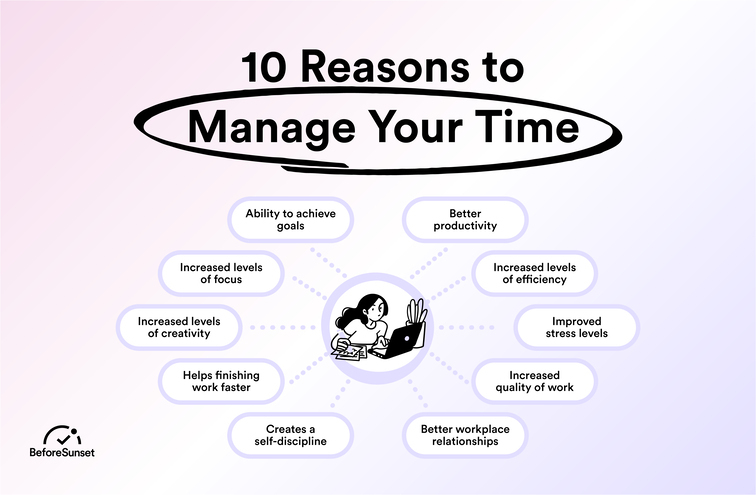
Successfully managing asthma while running involves implementing proactive strategies during your workout to ensure a safe and enjoyable experience. This section will guide you through essential techniques, pacing, environmental awareness, and immediate responses to potential symptoms.Executing these strategies effectively can significantly reduce the risk of exercise-induced asthma symptoms and allow you to maintain your running routine with confidence. It’s about listening to your body and having a well-rehearsed plan.
Breathing Techniques for Runners with Asthma
Developing a conscious and controlled breathing pattern is fundamental for runners with asthma. This approach helps to warm up the airways, improve oxygen intake, and reduce the likelihood of sudden airway constriction. Focusing on nasal breathing, diaphragmatic breathing, and controlled exhalation can make a substantial difference.Here are key breathing techniques to incorporate:
- Nasal Breathing: Whenever possible, aim to breathe through your nose. Nasal passages warm, humidify, and filter the air before it reaches your lungs, which is particularly beneficial in cold or dry conditions that can trigger asthma.
- Diaphragmatic Breathing (Belly Breathing): This technique involves engaging your diaphragm, the muscle below your lungs, to draw air deep into your lungs. Place one hand on your chest and the other on your belly. As you inhale, your belly should rise, and as you exhale, it should fall. This promotes more efficient oxygen exchange compared to shallow chest breathing.
- Pursed-Lip Breathing: This technique is excellent for slowing down your breathing rate and ensuring you exhale fully, which can help clear the airways. Inhale slowly through your nose for a count of two, then exhale slowly through pursed lips (as if you were going to whistle or blow out a candle) for a count of four or longer.
- Rhythmic Breathing: Coordinate your breathing with your stride. A common pattern for steady-paced running is to inhale for three strides and exhale for two strides, or vice versa. Experiment to find a rhythm that feels comfortable and sustainable.
Pacing and Intensity Management
Controlling the intensity of your run is paramount to preventing asthma symptoms. Gradual progression and mindful awareness of your exertion levels allow your respiratory system to adapt and prevent overexertion, which is a common trigger.To effectively manage pacing and intensity:
- Warm-up Gradually: Always begin your run with a slow jog or brisk walk for at least 5-10 minutes. This allows your airways to adjust to the increased physical activity and temperature changes.
- Start Slow and Build: Begin your run at a conversational pace where you can comfortably speak in full sentences. Gradually increase your pace over time, but always be mindful of your breathing. If you start to feel any tightness or wheezing, slow down or stop.
- Listen to Your Body: Pay close attention to any early warning signs of asthma, such as shortness of breath, coughing, wheezing, or chest tightness. These are signals to reduce intensity or stop running.
- Incorporate Interval Training Wisely: If you choose to do interval training, ensure you have a thorough warm-up and cool-down. The recovery periods between high-intensity bursts are crucial for allowing your airways to recover. It is advisable to discuss this with your healthcare provider before starting.
- Cool-Down Effectively: End your run with a slow jog or walk for 5-10 minutes. This helps your heart rate and breathing return to normal gradually, preventing post-exercise airway irritation.
Environmental Triggers and Mitigation Strategies
Certain environmental conditions can significantly exacerbate asthma symptoms during running. Awareness of these triggers and proactive measures can help you avoid or minimize their impact.Consider these environmental factors and how to address them:
- Cold and Dry Air: Cold, dry air can irritate airways. Running in very cold temperatures can be a significant trigger for many individuals with asthma.
- Mitigation: Wear a scarf or a mask over your mouth and nose to help warm and humidify the air you inhale. Choose warmer times of day to run or opt for indoor exercise when conditions are extreme.
- Air Pollution: High levels of air pollution, including ozone, particulate matter, and pollen, can irritate the lungs and trigger asthma.
- Mitigation: Check air quality indexes before your run. Avoid running outdoors on days with high pollution or pollen counts. Consider running indoors or choosing routes away from busy roads.
- Wind: Strong winds can carry irritants like dust and pollen directly into your airways.
- Mitigation: Run with the wind at your back if possible, or choose sheltered routes. Wearing a mask can also offer some protection.
- High Humidity: While less common than cold air, very high humidity can sometimes make breathing feel more difficult for some individuals.
- Mitigation: Focus on efficient breathing techniques and maintaining a moderate pace.
Protocol for Managing Mild Asthma Flare-ups During Exercise
Even with the best preparation, a mild asthma flare-up can occur during a run. Having a clear, actionable protocol can help you manage the situation effectively and safely. It is crucial to recognize the early signs and act promptly.If you experience mild asthma symptoms while running:
- Recognize Early Symptoms: Be aware of subtle signs such as a slight cough, mild chest tightness, or a feeling of breathlessness that is disproportionate to your exertion level.
- Reduce Intensity or Stop: Immediately slow your pace to a walk or stop running altogether. Do not try to push through mild symptoms.
- Use Your Rescue Inhaler: If you have been prescribed a short-acting beta-agonist (SABA) inhaler (e.g., albuterol) for rescue purposes, use it as directed by your healthcare provider. Typically, this involves one or two puffs.
- Focus on Controlled Breathing: While waiting for your inhaler to take effect, practice slow, deep breaths, focusing on pursed-lip breathing to help relax your airways.
- Monitor Your Response: After using your inhaler, wait for a few minutes to assess your symptoms. If your breathing improves and symptoms subside, you may be able to resume a very light activity or walk home.
- Seek Further Assistance if Needed: If your symptoms do not improve significantly after using your inhaler, or if they worsen, stop exercising immediately and seek medical attention. It is always better to err on the side of caution.
Remember, your rescue inhaler is your first line of defense against a mild flare-up. Know its proper usage and keep it accessible during all runs.
Post-Run Recovery and Monitoring
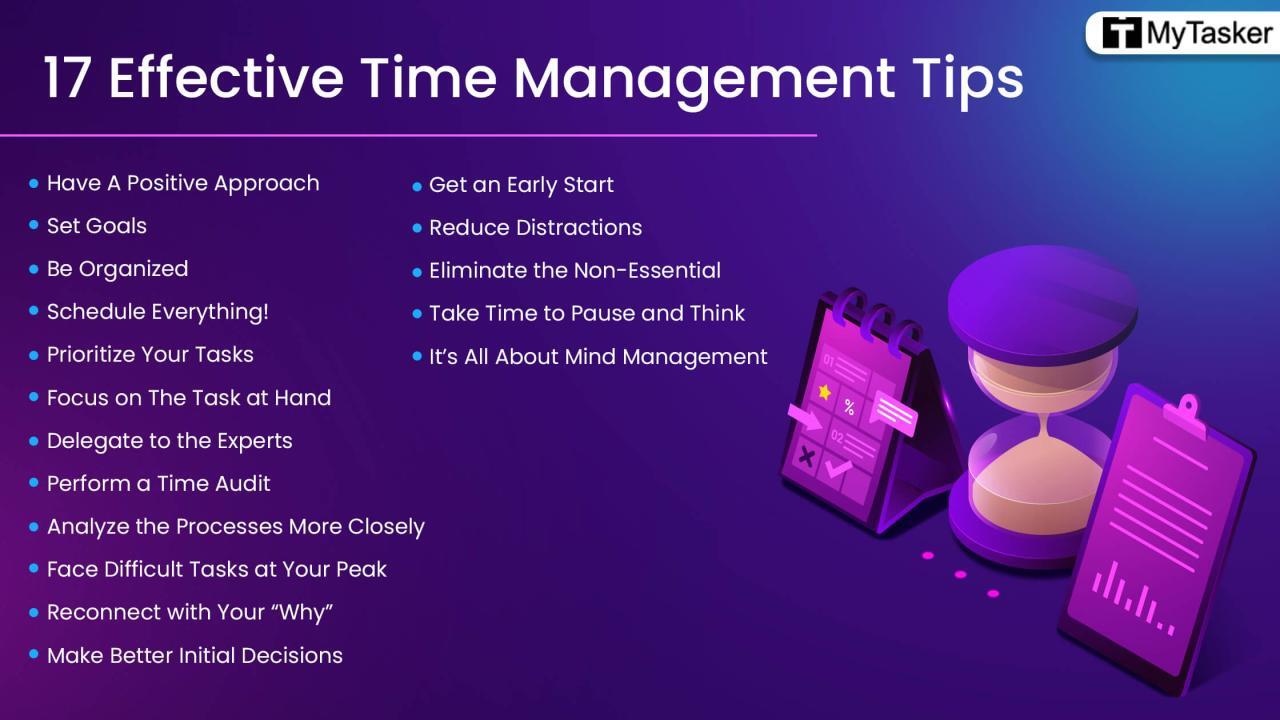
Concluding your run effectively is as crucial as preparing for it, especially for individuals managing asthma. A well-structured cool-down and vigilant monitoring can significantly reduce the risk of post-exercise respiratory distress and ensure a safe return to your daily activities. This phase focuses on gradually bringing your body back to a resting state and observing for any subtle signs of asthma symptom recurrence.The transition from strenuous activity to rest requires careful management to prevent sudden airway constriction.
Engaging in specific recovery practices helps your respiratory system and cardiovascular system return to their baseline efficiently, minimizing the potential for delayed reactions.
Cool-Down Routine Importance
A proper cool-down routine is vital for asthmatic runners as it allows for a gradual reduction in heart rate and breathing rate. This helps prevent abrupt changes in airway caliber that can trigger bronchoconstriction. A slow and steady deceleration allows your body to clear metabolic byproducts accumulated during exercise, such as lactic acid, and reduces the likelihood of muscle soreness.
For asthmatic individuals, this gradual decrease in intensity is particularly important for their sensitive airways.A typical cool-down should include:
- Light aerobic activity: Continue moving at a significantly reduced intensity for 5-10 minutes. This could be a slow jog, brisk walk, or gentle cycling.
- Static stretching: Hold each stretch for 20-30 seconds, focusing on major muscle groups used during the run, such as hamstrings, quadriceps, calves, and hip flexors. This aids in muscle recovery and flexibility.
- Deep breathing exercises: Incorporate controlled, diaphragmatic breathing to help relax the respiratory muscles and promote oxygenation.
Monitoring for Delayed Asthma Symptoms
Asthma symptoms triggered by exercise can sometimes manifest hours after the activity has concluded, a phenomenon known as delayed exercise-induced asthma (EIA). It is important to remain aware of your respiratory status even after you feel fully recovered. Pay close attention to any changes in your breathing pattern or the onset of typical asthma symptoms.Common delayed symptoms to monitor for include:
- Persistent cough, especially at night or upon waking.
- Wheezing or shortness of breath that appears gradually.
- A feeling of tightness in the chest.
- Increased mucus production.
These symptoms can be subtle and may worsen over a few hours. Keeping a log of your runs and any subsequent symptoms can help identify patterns and inform your healthcare provider.
Seeking Medical Attention Following Exercise
While mild, transient symptoms can often be managed with your prescribed rescue inhaler, there are instances where immediate medical attention is necessary. Recognizing these critical signs ensures prompt and appropriate care, preventing serious complications.You should seek medical attention if you experience any of the following:
- Severe shortness of breath that does not improve with your rescue inhaler.
- Difficulty speaking in full sentences.
- Chest pain that is not relieved by rest.
- Your rescue inhaler is not effective in relieving symptoms, or you find yourself needing it more frequently than prescribed.
- Any symptoms that cause significant distress or anxiety.
- Bluish discoloration of the lips or fingernails, indicating a lack of oxygen.
In emergency situations, do not hesitate to call emergency services or go to the nearest emergency room.
Post-Run Recovery Plan Organization
A structured post-run recovery plan ensures that asthmatic runners systematically address their recovery needs. This plan should be personalized based on individual responses to exercise and in consultation with a healthcare professional.A comprehensive post-run recovery plan includes:
| Element | Description | Asthma Considerations |
|---|---|---|
| Hydration | Replenish fluids lost through sweat. Water is generally sufficient for moderate runs. | Ensure adequate hydration to help thin mucus, which can be beneficial for airway clearance. |
| Nutrition | Consume a balanced meal or snack containing carbohydrates and protein within 30-60 minutes post-run to aid muscle repair and energy replenishment. | Avoid known food triggers or irritants that might exacerbate asthma symptoms. |
| Rest | Allow your body adequate time to recover. This may include a period of relaxation or light activity. | Prioritize sleep and avoid overexertion in the hours following a run, especially if any mild symptoms are present. |
| Symptom Monitoring | Regularly check in with your body for any signs of respiratory distress or asthma exacerbation. | Keep your rescue inhaler readily accessible for at least 2-3 hours post-run. |
| Medication Review | If using pre-exercise medication, ensure you understand its duration of effect and any necessary follow-up. | Discuss any persistent or recurring post-run symptoms with your doctor, as medication adjustments may be needed. |
Asthma Action Plans and Medical Guidance
Managing asthma effectively while pursuing your running goals is a collaborative effort. A well-defined asthma action plan, coupled with regular guidance from healthcare professionals, forms the cornerstone of safe and successful exercise. This section will explore the essential components of such a plan and how to best leverage medical expertise.A personalized asthma action plan is a critical tool for runners with asthma.
It acts as a roadmap, outlining specific steps to take before, during, and after exercise, as well as what to do in case of worsening symptoms. Developing this plan with your doctor ensures it is tailored to your individual needs and triggers.
Components of a Personalized Asthma Action Plan for Runners
A comprehensive asthma action plan for runners typically includes several key elements designed to prevent exercise-induced asthma (EIA) and manage symptoms effectively. These components are crucial for maintaining safety and performance.
- Green Zone: This section details daily management strategies, including prescribed long-term control medications and their dosage. It Artikels the routine for staying symptom-free and ready for exercise.
- Yellow Zone: This indicates caution and the presence of early asthma symptoms. It specifies when to use a quick-relief inhaler, the recommended dosage, and any necessary adjustments to activity levels. For runners, this might include temporarily reducing intensity or duration.
- Red Zone: This is the emergency zone, signifying a severe asthma attack. It clearly defines when to seek immediate medical attention, the appropriate actions to take (e.g., using a rescue inhaler multiple times), and who to contact.
- Specific Exercise Guidelines: This part of the plan addresses pre-exercise medication protocols (e.g., using a bronchodilator 15-30 minutes before running), warm-up and cool-down routines, and environmental considerations like avoiding extreme temperatures or high pollen counts.
- Trigger Identification and Avoidance: A list of personal asthma triggers, particularly those related to running, and strategies for avoiding or mitigating them.
- Emergency Contact Information: Essential phone numbers for doctors, family members, and emergency services.
Healthcare Professionals Assisting with Asthma Management for Athletes
A multidisciplinary approach involving various healthcare professionals can significantly enhance asthma management for athletes. Each specialist brings unique expertise to support your running journey.The primary point of contact for managing asthma as an athlete is typically your physician. However, other specialists play vital roles in optimizing care and performance.
- Primary Care Physician (PCP) or General Practitioner: Your PCP is often the first point of contact for diagnosing and managing asthma. They can prescribe initial medications, monitor your overall health, and refer you to specialists when needed.
- Pulmonologist: A specialist in lung diseases, a pulmonologist can provide in-depth diagnosis, advanced treatment strategies, and specialized testing for asthma, including exercise challenges. They are crucial for complex cases or when standard treatments are not fully effective.
- Allergist/Immunologist: If allergies are a significant trigger for your asthma, an allergist can help identify specific allergens and develop immunotherapy or desensitization plans.
- Sports Medicine Physician: These doctors specialize in the health needs of athletes. They understand the unique demands of exercise on the body and can help integrate asthma management seamlessly with your training regimen, focusing on performance and injury prevention.
- Registered Dietitian/Nutritionist: While not directly treating asthma, a dietitian can help ensure optimal nutrition to support overall health and energy levels, which can indirectly benefit asthma management and exercise performance.
- Asthma Educator/Nurse: These professionals provide crucial education on inhaler technique, understanding medication, recognizing symptoms, and implementing the asthma action plan effectively.
Communicating Effectively with Your Doctor About Running Goals and Asthma
Open and detailed communication with your doctor is paramount to developing a successful asthma management strategy that accommodates your running aspirations. Be prepared to share specific information to ensure the best possible care.When you visit your doctor, it’s important to be proactive and provide them with a clear picture of your situation. This includes not only your asthma symptoms but also your fitness goals.
- Be Specific About Your Running Goals: Clearly state the type of running you do (e.g., casual jogging, competitive racing, trail running), your desired frequency and intensity, and any specific events you are training for.
- Detail Your Asthma Symptoms and Triggers: Describe when your asthma symptoms occur (e.g., during exercise, at rest, at certain times of day), what triggers them (e.g., cold air, pollen, exertion), and how severe they are.
- Report Your Current Medication Use: List all medications you are currently taking, including their dosage and frequency, and whether they are providing adequate relief.
- Discuss Your Asthma Action Plan: Bring your current asthma action plan, if you have one, and ask for it to be reviewed and updated based on your running activities.
- Ask Questions: Don’t hesitate to ask about pre-exercise medication, safe running conditions, potential risks, and any lifestyle adjustments that might be beneficial.
- Share Your Concerns: Voice any anxieties you have about running with asthma, such as fear of an attack or impacting your performance.
Adjusting Your Asthma Action Plan Based on Training Progression
As your training progresses and your fitness improves, your asthma management plan may need to be adjusted. This is a dynamic process that requires ongoing dialogue with your healthcare provider.Your body’s response to exercise can change as you become fitter. What worked at the beginning of your training may need modification as you increase mileage, intensity, or frequency.
- Regular Review with Your Doctor: Schedule follow-up appointments to discuss how your asthma is responding to increased training demands.
- Monitoring Symptom Frequency and Severity: Keep a log of any asthma symptoms experienced during or after training. If symptoms increase or become more frequent, it may indicate a need to adjust medication or pre-exercise protocols.
- Medication Adjustments: Your doctor might suggest changes to your long-term control medications or the dosage of your pre-exercise bronchodilator as your training load increases. For example, if you are consistently experiencing mild symptoms despite using your pre-run medication, a slight increase in dosage or timing might be considered under medical supervision.
- Refining Pre-Run Strategies: As your lung capacity and stamina improve, you might find that your current pre-run medication regimen is still effective, or you may need to slightly alter the timing or dosage.
- Environmental Adaptations: Your awareness of environmental triggers may also evolve. You might become more sensitive to certain conditions as you spend more time exercising outdoors, necessitating adjustments to your plan.
- Recognizing Overtraining Signs: Sometimes, an increase in asthma symptoms can be an indicator of overtraining. Your doctor can help differentiate between asthma exacerbations and signs of fatigue.
Equipment and Environmental Considerations
Managing asthma while running involves careful consideration of the gear you use and the environment in which you run. Optimizing these factors can significantly contribute to a safer and more enjoyable running experience for individuals with asthma.This section will explore the essential equipment that can support asthma management during runs, the influence of environmental conditions, and tools for monitoring lung health.
Essential Gear for Runners with Asthma
Certain equipment can provide runners with asthma an added layer of safety and preparedness. Having these items readily available can help manage symptoms and respond effectively if they arise.
- Inhaler: The most crucial piece of equipment is your prescribed rescue inhaler. Ensure it is easily accessible, such as in a running belt pouch or a secure pocket. Know its expiration date and ensure it is full before each run.
- Running Belt or Armband: These accessories are designed to hold your inhaler, phone, and keys securely and comfortably, keeping them within easy reach without hindering your stride.
- Identification: Wearing a medical ID bracelet or necklace that clearly states you have asthma is highly recommended. This is vital in case of an emergency where you are unable to communicate your medical condition.
- Moisture-Wicking Clothing: While not directly for asthma management, comfortable, breathable clothing can help regulate body temperature, which can sometimes be a trigger for asthma symptoms.
Impact of Air Quality and Weather on Asthma Symptoms
Environmental factors play a significant role in how asthma affects runners. Understanding these influences allows for proactive adjustments to running plans.Air quality, including pollution levels and pollen counts, can exacerbate asthma symptoms. High levels of ozone, particulate matter, and certain allergens can irritate the airways, leading to coughing, wheezing, and shortness of breath. Similarly, extreme weather conditions, such as very cold, dry air or hot, humid air, can also trigger bronchoconstriction.To mitigate these effects, consider the following adjustments:
- Monitor Air Quality and Pollen Counts: Utilize weather apps or dedicated air quality monitoring websites (e.g., AirNow.gov in the US, or similar local resources) to check daily forecasts. On days with poor air quality or high pollen, consider running indoors on a treadmill or rescheduling your outdoor run.
- Adjust for Temperature and Humidity:
- Cold Weather: Running in very cold, dry air can be a significant trigger. Wearing a scarf or a mask that covers your mouth and nose can help warm and humidify the air before it enters your lungs. Opt for shorter, less intense runs on extremely cold days.
- Hot and Humid Weather: High humidity can make breathing feel more difficult and can also exacerbate asthma for some individuals. Run during cooler parts of the day, such as early morning or late evening, and stay well-hydrated.
- Windy Conditions: Windy days can increase the dispersion of allergens and pollutants, potentially worsening symptoms.
Benefits of Using a Spirometer for Tracking Lung Function
A spirometer is a medical device used to measure lung function. Regular use can provide valuable insights for individuals managing asthma, particularly in relation to exercise.Using a spirometer at home, under the guidance of a healthcare professional, allows you to monitor your lung capacity and airflow. This data can help you identify subtle changes in your breathing that might precede a more significant asthma flare-up.
By tracking metrics like Forced Expiratory Volume in 1 second (FEV1) and Forced Vital Capacity (FVC), you can establish a baseline and detect deviations.
Understanding your personal lung function trends can empower you to make informed decisions about when to run, when to adjust your medication, and when to seek medical advice.
This proactive monitoring can be particularly beneficial in the context of exercise-induced asthma, helping you to recognize early warning signs and take preventative measures.
Resources for Finding Safe Running Routes
Selecting appropriate running routes is an important aspect of managing asthma. Routes that minimize exposure to triggers can enhance safety and comfort.When choosing where to run, it’s beneficial to select locations that offer cleaner air and fewer potential irritants. Here are some types of resources and places to consider:
- Local Park and Trail Websites: Many city and national park systems provide information about their trails, including maps and sometimes details on air quality or natural features that might affect runners.
- Running Apps and Communities: Some running applications allow users to share and discover routes, and you can often find discussions or recommendations from other runners in your area regarding asthma-friendly paths. Look for trails away from busy roads.
- Asthma and Allergy Foundations: Organizations dedicated to asthma and allergies may offer general advice on environmental triggers and sometimes provide resources or links to local information that could be helpful for finding safer outdoor spaces.
- Consult Your Doctor: Your physician or asthma specialist can offer personalized recommendations for running locations based on your specific triggers and local environmental conditions. They may be aware of less polluted areas or specific times of day that are better for outdoor activity.
Nutritional and Lifestyle Factors
Beyond the immediate strategies for managing asthma during exercise, adopting a holistic approach that incorporates sound nutrition and healthy lifestyle habits can significantly contribute to overall respiratory well-being and improve your experience as an asthmatic runner. These factors work in synergy with your training and medical management to create a more resilient system.The interplay between what we eat, how we hydrate, how we manage stress, and how well we rest directly impacts our body’s ability to function optimally, especially under the demands of physical activity.
For individuals with asthma, paying attention to these elements can translate into fewer exercise-induced symptoms and better overall control.
Dietary Recommendations for Respiratory Health
A balanced diet rich in antioxidants, anti-inflammatory compounds, and essential nutrients can play a supportive role in managing asthma symptoms. Focusing on whole, unprocessed foods helps to reduce inflammation and provides the body with the building blocks for healthy lung function.
- Antioxidant-Rich Foods: Fruits and vegetables are packed with antioxidants like vitamins C and E, beta-carotene, and flavonoids, which help combat oxidative stress and inflammation in the airways. Examples include berries, leafy greens (spinach, kale), citrus fruits, and colorful vegetables like bell peppers and sweet potatoes.
- Omega-3 Fatty Acids: These healthy fats possess anti-inflammatory properties that can be beneficial for asthma. Good sources include fatty fish (salmon, mackerel, sardines), flaxseeds, chia seeds, and walnuts.
- Magnesium: This mineral is crucial for muscle function, including the muscles in the airways. Low magnesium levels have been associated with poorer lung function. Include magnesium-rich foods such as dark leafy greens, nuts, seeds, and whole grains in your diet.
- Limit Inflammatory Foods: Reducing intake of processed foods, excessive saturated and trans fats, and refined sugars can help minimize inflammation throughout the body, including the airways.
Hydration and Asthma Management
Maintaining adequate hydration is paramount for all runners, but it holds particular importance for individuals with asthma. Proper hydration helps to keep the mucus in the airways thin and easier to clear, preventing congestion and potential airway irritation.Dehydration can lead to thicker mucus, making breathing more difficult and potentially exacerbating asthma symptoms during exercise. It can also affect overall performance and increase the risk of fatigue, which can indirectly influence asthma control.
Adequate fluid intake ensures that the respiratory system functions efficiently by maintaining optimal mucus viscosity.
It is advisable to establish a consistent hydration routine. This includes drinking water throughout the day, not just during or immediately before/after a run. The amount of fluid needed will vary based on individual factors such as activity level, climate, and personal metabolism, but a general guideline is to aim for clear or pale yellow urine.
Stress Management Techniques
The connection between mental well-being and physical health is undeniable, and for asthmatic runners, managing stress is a vital component of overall asthma control. High levels of stress can trigger the release of hormones that may lead to airway inflammation and constriction, potentially worsening asthma symptoms.Implementing effective stress management techniques can help to calm the nervous system, reduce the body’s stress response, and promote a more relaxed state, which is conducive to better breathing and exercise tolerance.
- Mindfulness and Meditation: Regular practice can help individuals become more aware of their thoughts and bodily sensations, allowing for a calmer response to potential triggers.
- Deep Breathing Exercises: Techniques such as diaphragmatic breathing can help to improve lung capacity and promote relaxation, providing a sense of control over breathing.
- Yoga and Tai Chi: These practices combine gentle movement, breath control, and meditation, offering a comprehensive approach to stress reduction and physical well-being.
- Engaging in Hobbies and Social Activities: Pursuing enjoyable activities and maintaining strong social connections can significantly reduce feelings of stress and isolation.
Adequate Sleep for Asthma Control
Sleep is a fundamental pillar of health, and for individuals managing asthma, obtaining sufficient and quality sleep is crucial for optimal respiratory function and overall well-being. During sleep, the body undergoes essential repair and restorative processes, including those related to the immune system and inflammation regulation.Lack of sleep can disrupt these processes, potentially leading to increased inflammation and a heightened susceptibility to asthma exacerbations.
Conversely, consistent, quality sleep can bolster the immune system, improve the body’s ability to manage inflammation, and contribute to better asthma control, thereby enhancing your capacity to exercise.
Prioritizing 7-9 hours of quality sleep per night is a cornerstone of effective asthma management.
Creating a conducive sleep environment and establishing a regular sleep schedule are key strategies. This includes ensuring the bedroom is dark, quiet, and cool, and avoiding stimulants like caffeine close to bedtime. Developing a relaxing pre-sleep routine can also signal to the body that it’s time to wind down, promoting easier and more restful sleep.
Final Review

By embracing a proactive and informed approach, runners with asthma can not only participate in their beloved activity but also thrive, experiencing the numerous physical and mental benefits that running offers. This journey is about understanding your body, working in harmony with your condition, and ultimately, achieving your fitness aspirations safely and joyfully.