As How to Prevent the Most Common Running Injuries takes center stage, this opening passage beckons readers into a world crafted with good knowledge, ensuring a reading experience that is both absorbing and distinctly original. Understanding the nuances of common running ailments is the first crucial step toward a healthier and more consistent running journey.
This comprehensive guide delves into the prevalent injuries that runners often face, exploring their root causes, the specific body parts most vulnerable, and effective strategies to keep you on the path to your fitness goals. We will navigate through proactive measures, from meticulous warm-ups and proper footwear selection to optimizing your running form and the vital role of recovery, strength training, nutrition, and listening to your body’s signals.
Understanding Common Running Injuries
Understanding the most frequent running injuries is the foundational step towards effective prevention. By recognizing the typical ailments, their origins, and the areas of the body most vulnerable, runners can proactively implement strategies to keep themselves healthy and on the track. This knowledge empowers individuals to listen to their bodies and address potential issues before they escalate into significant problems.This section delves into the common culprits behind running-related pain, exploring the underlying causes and pinpointing the anatomical structures that frequently bear the brunt of repetitive impact and stress.
Frequent Types of Running Injuries
Runners commonly experience a range of musculoskeletal issues, often stemming from overuse, improper biomechanics, or inadequate conditioning. These injuries can significantly disrupt training schedules and diminish performance if not managed appropriately.The most prevalent injuries include:
- Shin Splints (Medial Tibial Stress Syndrome): Pain along the inner edge of the shinbone, often caused by inflammation of the muscles, tendons, and bone tissue around the tibia.
- Runner’s Knee (Patellofemoral Pain Syndrome): A dull, aching pain around or behind the kneecap, typically exacerbated by running, climbing stairs, or prolonged sitting.
- Achilles Tendinitis: Inflammation of the Achilles tendon, the large band of tissue connecting the calf muscles to the heel bone, leading to pain and stiffness in the back of the ankle.
- Plantar Fasciitis: Heel pain, often sharp and stabbing, caused by inflammation of the plantar fascia, a thick band of tissue that runs across the bottom of the foot.
- Stress Fractures: Tiny cracks in a bone, commonly in the tibia, fibula, or metatarsals, resulting from repetitive force and overuse.
- IT Band Syndrome (Iliotibial Band Syndrome): Pain on the outside of the knee, caused by irritation and inflammation of the iliotibial band, a thick band of connective tissue that runs from the hip to the knee.
Typical Causes and Contributing Factors
The development of running injuries is rarely due to a single factor. Instead, it is often a confluence of elements related to training practices, biomechanics, and external influences. Identifying these contributing factors is crucial for implementing targeted prevention strategies.Key contributors to running injuries include:
- Training Errors: Rapid increases in mileage, intensity, or frequency without allowing the body sufficient time to adapt. This includes insufficient rest and recovery periods.
- Inadequate Warm-up and Cool-down: Skipping or rushing these essential phases can leave muscles tight and unprepared for the demands of running, increasing susceptibility to strains and tears.
- Improper Footwear: Wearing worn-out shoes or shoes that do not provide adequate support or cushioning for an individual’s foot type and running style.
- Biomechanical Issues: Inefficient running form, such as overstriding, excessive pronation (inward rolling of the foot), or poor hip and core stability, can place undue stress on specific joints and tissues.
- Muscle Imbalances: Weakness or tightness in certain muscle groups, particularly the glutes, hamstrings, quadriceps, and core, can lead to compensatory movements that overload other areas.
- Inconsistent Strength Training: Neglecting to build and maintain a strong musculoskeletal system that can withstand the repetitive impact of running.
- Environmental Factors: Running on hard or uneven surfaces can increase impact forces and the risk of ankle or foot injuries.
Anatomical Areas Susceptible to Running-Related Issues
Certain parts of the body are anatomically predisposed to the repetitive stresses of running, making them more vulnerable to injury. Understanding these areas helps in focusing preventive efforts.The most commonly affected anatomical regions are:
- Lower Extremities: This broad category encompasses the feet, ankles, shins, knees, and hips, which are directly involved in the propulsive and supportive actions of running.
- Feet and Ankles: The intricate structures of the feet and ankles, including the plantar fascia, Achilles tendon, and the small bones and joints, are subjected to significant impact and tensile forces.
- Lower Legs: The muscles and bones of the lower legs, such as the tibialis anterior and posterior, and the tibia itself, are prone to issues like shin splints and stress fractures due to repetitive loading.
- Knees: The patellofemoral joint and the surrounding tendons and ligaments of the knee are common sites for pain due to the significant forces transmitted through this joint during running.
- Hips and Gluteal Muscles: Weakness or dysfunction in the hip abductors and gluteal muscles can lead to instability in the pelvis and knee, contributing to a cascade of injuries up and down the kinetic chain.
- Lower Back: While not directly a lower extremity, the lower back plays a crucial role in core stability and posture during running. Imbalances or weakness in the core can transfer stress to the lumbar spine.
Pre-Run Injury Prevention Strategies
Implementing effective pre-run strategies is crucial for preparing your body to withstand the demands of running and significantly reduce the risk of common injuries. These practices focus on activating muscles, increasing blood flow, and improving joint mobility, thereby creating a more resilient and responsive musculoskeletal system. A well-executed pre-run routine acts as a protective buffer against strains, sprains, and other running-related ailments.The transition from a resting state to the exertion of running requires a thoughtful approach to minimize stress on your body.
By dedicating a few minutes to specific preparatory exercises, you can enhance performance and foster long-term running health.
Effective Warm-Up Routines
A proper warm-up gradually elevates your heart rate, increases muscle temperature, and improves the elasticity of muscles and connective tissues. This makes them more pliable and less susceptible to injury. A comprehensive warm-up should include a combination of light aerobic activity and dynamic movements.A structured warm-up routine typically lasts between 5 to 10 minutes and can be adapted based on individual needs and the intensity of the planned run.
The goal is to feel slightly warmer and more limber, but not fatigued.
- Light Aerobic Activity: Begin with 2-3 minutes of light jogging, brisk walking, or cycling to gently increase your heart rate and blood flow to the major muscle groups. This prepares the cardiovascular system for the upcoming effort.
- Dynamic Stretching: This type of stretching involves moving parts of your body through their full range of motion in a controlled manner. It mimics the movements of running and is more effective than static stretching before a run.
- Sport-Specific Movements: Incorporate movements that directly relate to running, such as high knees, butt kicks, and skipping. These help to activate the specific muscles and patterns used during your run.
Dynamic Stretching for Injury Prevention
Dynamic stretching is a cornerstone of pre-run injury prevention. Unlike static stretching, which involves holding a stretch for a period, dynamic stretching uses momentum to move joints and muscles through their range of motion. This process not only prepares the muscles for activity but also enhances neuromuscular coordination and proprioception, which is your body’s awareness of its position in space.The controlled, repetitive movements of dynamic stretching help to lubricate joints with synovial fluid and activate the muscles that will be engaged during the run.
This active preparation is far more beneficial for preventing injuries than passive stretching before exercise.Here are some highly effective dynamic stretches for runners:
- Leg Swings (Forward and Backward): Stand tall, holding onto a wall or stable object for balance. Swing one leg forward and backward in a controlled motion, keeping your core engaged and your torso relatively still. Perform 10-15 swings per leg. This targets the hamstrings, hip flexors, and quadriceps.
- Leg Swings (Side to Side): Facing a wall or stable object, swing one leg across your body and then out to the side. Maintain a stable core and avoid twisting your torso. Perform 10-15 swings per leg. This focuses on the hip abductors and adductors.
- Walking Lunges with Torso Twist: Step forward into a lunge, ensuring your front knee is directly over your ankle and your back knee hovers just above the ground. As you lunge, twist your torso towards the front leg. Return to standing and repeat on the other leg. Perform 10-12 lunges per leg. This engages the quadriceps, glutes, hamstrings, and improves core stability and spinal mobility.
- High Knees: March or jog in place, bringing your knees up towards your chest with each step. Focus on a quick, rhythmic motion. Perform for 30-60 seconds. This activates the hip flexors and core.
- Butt Kicks: Jog in place, bringing your heels up towards your glutes with each step. This targets the hamstrings. Perform for 30-60 seconds.
- Arm Circles: Perform forward and backward arm circles to warm up the shoulder and upper back muscles, which are also engaged during running. Perform 10-15 circles in each direction.
The Role of Proper Footwear in Injury Prevention
Selecting the right running shoes is a fundamental aspect of preventing running injuries. Your footwear acts as the primary interface between your body and the running surface, influencing biomechanics, shock absorption, and overall comfort. Shoes that are ill-fitting, worn out, or inappropriate for your foot type and running style can contribute to a variety of issues, from blisters and shin splints to more serious conditions like stress fractures and plantar fasciitis.The ideal running shoe should provide adequate cushioning, support, and a comfortable fit.
It’s not about choosing the most expensive or fashionable shoe, but rather one that complements your individual biomechanics and running goals.Here’s how to approach selecting the right running shoes:
- Understand Your Foot Type and Gait: This is the most critical step. Visit a specialized running store where trained staff can analyze your foot strike (how your foot lands) and pronation (the natural inward rolling motion of your foot). Common foot types include neutral, overpronated (foot rolls inward excessively), and supinated (foot rolls outward).
- Consider the Running Surface: If you primarily run on trails, you’ll need shoes with more aggressive tread for grip and durability. Road running shoes typically offer more cushioning and flexibility.
- Prioritize Comfort and Fit: The shoe should feel comfortable from the moment you try it on. There should be about a thumb’s width of space between your longest toe and the end of the shoe. The heel should feel secure, and there should be no pinching or rubbing.
- Evaluate Cushioning and Support: Based on your foot type and running style, you’ll need different levels of cushioning and support. Neutral runners may prefer shoes with more flexibility and moderate cushioning. Overpronators often benefit from stability shoes that offer guidance to control the inward roll. Supinators, who have high arches, generally need shoes with ample cushioning to absorb shock.
- Replace Worn-Out Shoes: Running shoes have a lifespan, typically between 300 to 500 miles, depending on the shoe and the runner. Worn-out shoes lose their cushioning and support, significantly increasing injury risk. Look for signs of wear such as compressed midsoles, worn-out tread patterns, and creases in the upper.
The right running shoe acts as an extension of your body, providing the necessary support and shock absorption to protect your joints and muscles from the repetitive impact of running.
During-Run Injury Prevention Techniques
Maintaining good health while running involves more than just preparing before your workout. The techniques you employduring* your run play a crucial role in preventing injuries and ensuring a more enjoyable and sustainable running practice. By focusing on your form, pacing, and awareness of your surroundings, you can significantly reduce the risk of common running ailments.This section will delve into the essential strategies for injury prevention while you are actively running.
We will explore how optimal running form and biomechanics can protect your body, the importance of smart pacing and progressive mileage increases, and how to navigate environmental factors that can impact your safety and well-being.
Running Form and Biomechanics
Proper running form is fundamental to distributing stress evenly across your body, minimizing impact, and maximizing efficiency. Focusing on these elements can prevent overuse injuries and improve your overall running experience.
- Posture: Maintain an upright posture with your head held high, looking forward, not down at your feet. Your shoulders should be relaxed and down, not hunched.
- Arm Swing: Your arms should swing forward and back from the shoulder, not across your body. Keep your elbows bent at approximately 90 degrees. A relaxed arm swing helps maintain momentum and balance.
- Foot Strike: Aim for a midfoot strike, landing softly beneath your center of gravity. Avoid overstriding, where your foot lands far in front of your body, which can create a braking effect and increase impact forces. A quick cadence, or turnover, is often associated with a more efficient foot strike.
- Core Engagement: A strong and engaged core provides stability and support for your entire body. Engage your abdominal muscles gently throughout your run to prevent excessive torso rotation and maintain an efficient stride.
- Knee Drive: While not overly aggressive, a slight forward drive of the knee helps propel you forward. Avoid letting your knees knock inward or splay outward.
Pacing and Mileage Progression
Overexertion is a primary driver of running injuries. Implementing smart pacing strategies and a gradual approach to increasing mileage allows your body to adapt and build resilience.
The 10% rule, a commonly cited guideline, suggests increasing your weekly mileage by no more than 10% each week. This principle applies to intensity and duration as well.
It is crucial to listen to your body and not push through excessive fatigue or pain.
- Start Conservatively: Begin your runs at a comfortable, conversational pace. This allows your body to warm up effectively and prepares your muscles for more strenuous effort if desired.
- Gradual Intensity Increase: If you are incorporating speedwork or hill training, introduce these elements gradually. Start with short intervals or gentle inclines and slowly increase their duration or steepness over several weeks.
- Rest and Recovery: Incorporate rest days into your training schedule. These are vital for muscle repair and adaptation. Active recovery, such as light walking or stretching, can also be beneficial.
- Listen to Your Body: Pay close attention to any aches or pains. Differentiate between normal muscle fatigue and warning signs of potential injury. If you experience persistent pain, it is advisable to reduce your mileage or intensity, or consult a healthcare professional.
Environmental Factors and Mitigation
The environment in which you run can significantly influence your injury risk. Being aware of these factors and taking proactive steps can help you stay safe and injury-free.
- Uneven Surfaces: Running on trails, gravel paths, or uneven sidewalks increases the risk of ankle sprains and other acute injuries. To mitigate this, focus on maintaining good balance, scanning the path ahead, and choosing appropriate footwear for the terrain. For trail running, consider shoes with enhanced grip and ankle support.
- Weather Conditions: Extreme heat can lead to dehydration and heatstroke, while cold weather can increase muscle stiffness and the risk of strains. In hot conditions, run during cooler parts of the day, stay hydrated, and wear light, breathable clothing. In cold weather, wear layers of moisture-wicking clothing, including a hat and gloves, and perform a thorough warm-up.
- Poor Lighting: Running in low-light conditions, especially at dawn or dusk, increases the risk of tripping or colliding with unseen obstacles. If you run in these conditions, wear reflective gear and consider carrying a headlamp for better visibility.
- Road Conditions: Wet or icy roads can be slippery and increase the risk of falls. If conditions are hazardous, consider running indoors on a treadmill or choosing a safer route.
Post-Run Recovery and Maintenance
The journey of preventing running injuries doesn’t end when you cross the finish line. The period immediately following your run is crucial for your body’s repair and adaptation process. Neglecting post-run care can undo much of the good work done during your training and significantly increase your risk of injury. Embracing effective recovery strategies is as vital as the run itself, allowing your muscles to rebuild stronger and more resilient.Engaging in deliberate recovery practices helps to mitigate the micro-trauma that occurs in muscles during strenuous activity.
This not only aids in faster recovery but also prepares your body for subsequent training sessions, leading to consistent progress and reduced susceptibility to common running ailments.
Cool-Down Routines and Static Stretching
A structured cool-down routine is essential for gradually bringing your body back to a resting state after the exertion of a run. This process helps to prevent blood from pooling in your extremities, which can lead to dizziness or lightheadedness. Static stretching, performed after your muscles have been warmed up by the run, is highly effective in improving flexibility and range of motion.
Regular static stretching can help to lengthen tight muscles that might otherwise contribute to biomechanical imbalances and injuries.Static stretching involves holding a stretch for a sustained period, typically 20-30 seconds, without bouncing. Focus on major muscle groups used during running, such as the hamstrings, quadriceps, calves, and hip flexors. It’s important to perform these stretches gently, listening to your body and avoiding any sharp pain.
Recovery Methods for Muscle Repair and Maintenance
Several techniques can be employed to enhance muscle recovery, reduce soreness, and promote tissue repair. These methods work by increasing blood flow, releasing muscle tension, and facilitating the removal of metabolic waste products. Incorporating these into your routine can significantly accelerate your return to peak performance and prevent overuse injuries.A variety of effective recovery methods are available:
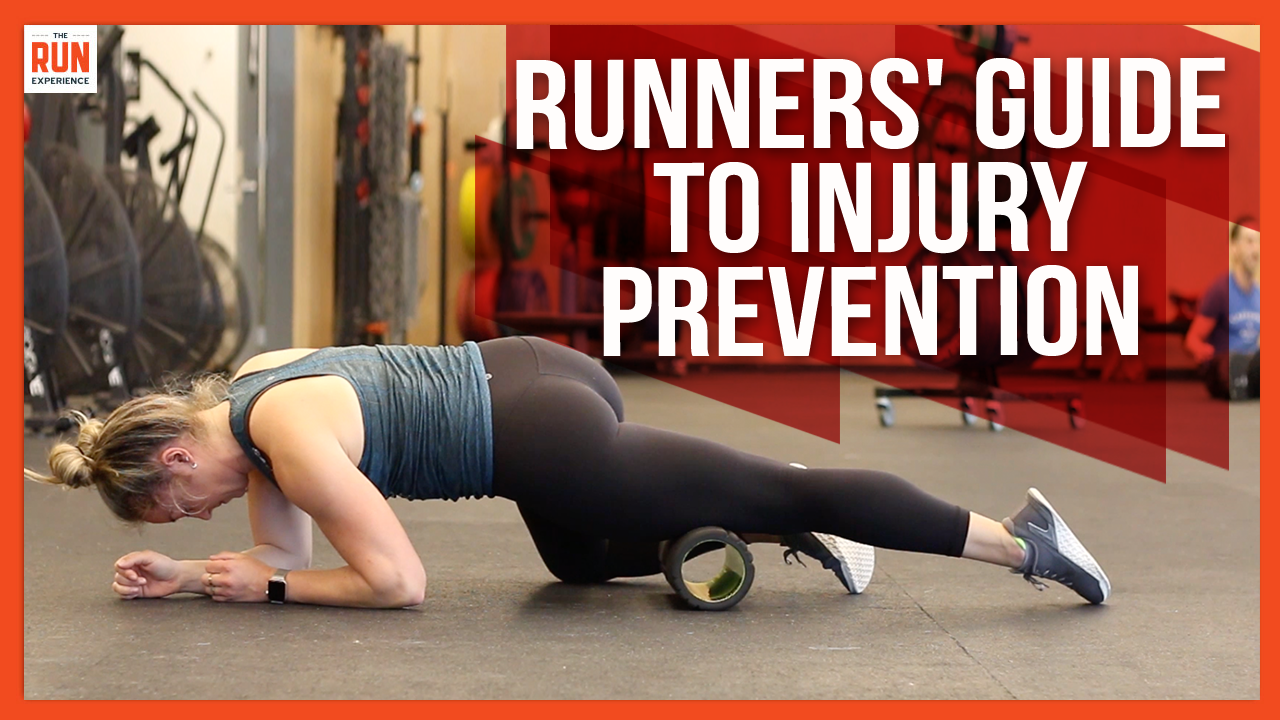
- Foam Rolling: This self-myofascial release technique involves using a foam roller to apply pressure to specific muscle groups. It helps to break up adhesions and knots in the fascia, which is the connective tissue surrounding muscles. Roll slowly over tender areas, holding for 20-30 seconds on particularly tight spots.
- Massage: Professional sports massage or even self-massage can be highly beneficial. Massage therapists use various techniques to manipulate soft tissues, promoting relaxation, increasing circulation, and reducing muscle soreness.
- Compression Garments: Wearing compression socks or tights after a run can help to improve blood flow and reduce muscle swelling and fatigue.
- Ice Baths or Cold Water Immersion: While debated, some runners find cold therapy effective in reducing inflammation and muscle soreness. The extreme cold constricts blood vessels, which may help flush out metabolic waste.
- Active Recovery: Light, low-impact activities such as walking, swimming, or cycling on rest days can promote blood flow without further stressing muscles, aiding in recovery.
The Importance of Rest and Sleep
Rest and sleep are fundamental pillars of injury prevention and overall athletic performance. During periods of rest, your body undertakes critical repair processes, rebuilding muscle tissue and replenishing energy stores. Sleep is when these restorative functions are at their peak. Inadequate rest and sleep disrupt these natural healing mechanisms, leaving your body more vulnerable to injury.
“Sleep is the golden chain that ties health and our bodies together.”
Thomas Dekker
Prioritizing sufficient, high-quality sleep is non-negotiable for runners. Aim for 7-9 hours of uninterrupted sleep per night. This allows your body ample time to repair the micro-tears in muscle fibers that occur during running, synthesize hormones essential for recovery, and consolidate learning related to your running form and efficiency. Without adequate rest, your body’s ability to adapt to training stress is severely compromised, increasing the likelihood of developing overuse injuries.
Strength Training for Injury Prevention
Incorporating a well-rounded strength training routine is a cornerstone of preventing common running injuries. By building resilience in the muscles that support your running stride, you can significantly reduce the risk of strains, sprains, and overuse injuries. This approach focuses on strengthening the entire kinetic chain, from your feet to your core, ensuring a stable and efficient running form.Strength training for runners isn’t about building bulk; it’s about developing functional strength that directly benefits your running performance and longevity.
A targeted program can address muscle imbalances, improve joint stability, and enhance your body’s ability to absorb impact, all of which are crucial for injury prevention.
Sample Strength Training Program for Runners
This program is designed to be performed 2-3 times per week on non-consecutive days. It targets key muscle groups essential for runners, focusing on compound movements and exercises that mimic running mechanics. Remember to warm up before each session and cool down afterward.
Warm-up (5-10 minutes)
Dynamic stretches such as leg swings (forward/backward and side-to-side), torso twists, arm circles, and high knees are excellent for preparing the muscles for exercise.
Lower Body and Core (Perform 2-3 sets of 10-15 repetitions for each exercise)
- Bodyweight Squats: Stand with feet shoulder-width apart, lower your hips as if sitting into a chair, keeping your chest up and back straight.
- Lunges (Forward and Reverse): Step forward or backward, lowering your hips until both knees are bent at approximately 90 degrees. Ensure your front knee doesn’t go past your toes.
- Glute Bridges: Lie on your back with knees bent and feet flat on the floor. Lift your hips off the ground, squeezing your glutes at the top.
- Calf Raises: Stand with feet flat on the floor and rise up onto the balls of your feet, lifting your heels.
- Plank: Hold a push-up position on your forearms and toes, keeping your body in a straight line from head to heels.
- Side Plank: Lie on your side, propped up on your forearm, and lift your hips to form a straight line from head to feet.
Upper Body and Stability (Perform 2-3 sets of 10-15 repetitions for each exercise)
- Push-ups: Performed on knees or toes, maintain a straight line from head to heels, lowering your chest towards the floor.
- Dumbbell Rows: With a dumbbell in one hand, hinge at the hips, keeping your back straight, and pull the dumbbell towards your chest.
- Bird-Dog: Start on your hands and knees. Extend one arm forward and the opposite leg backward simultaneously, maintaining a stable core.
Cool-down (5-10 minutes)
Static stretches such as hamstring stretches, quadriceps stretches, calf stretches, and hip flexor stretches are beneficial for improving flexibility and aiding recovery.
The Role of Core Strength in Stabilizing the Body
Your core muscles, including the abdominals, obliques, lower back, and glutes, act as the central stabilizing unit for your entire body. When running, a strong core is essential for maintaining an upright posture, efficient arm swing, and proper leg drive. A weak core can lead to compensatory movements, placing undue stress on other parts of the body, such as the lower back, hips, and knees, thereby increasing the risk of injuries like runner’s knee, IT band syndrome, and lower back pain.A strong core also helps in transferring force efficiently from your lower body to your upper body and vice versa, allowing for a more powerful and economical stride.
It acts as a shock absorber, mitigating the impact forces that travel up your legs with each foot strike.
Exercises for Strengthening Hips, Glutes, and Ankles
Targeting these specific areas is paramount for runners, as they are directly involved in propulsion, stability, and shock absorption. Weakness or imbalance in these regions is a frequent precursor to many common running injuries.
Hip and Glute Strengthening
Strong hips and glutes are vital for pelvic stability, preventing excessive inward rotation of the thigh (known as pronation) and ensuring proper leg alignment during the gait cycle.
- Clamshells: Lie on your side with knees bent and stacked. Keeping your feet together, lift your top knee upwards, engaging your glutes.
- Lateral Band Walks: Place a resistance band around your ankles or just above your knees. Step sideways, maintaining tension on the band, moving in a controlled manner.
- Single-Leg Deadlifts: Stand on one leg, hinge at the hips, and extend the opposite leg straight back, lowering your torso until it’s parallel to the ground. Focus on maintaining balance and a straight back.
Ankle Strengthening
Strong and stable ankles are crucial for absorbing impact and adapting to uneven terrain, reducing the risk of sprains and other foot-related injuries.
- Ankle Circles: While seated or standing, lift one foot slightly off the ground and rotate your ankle clockwise and counter-clockwise.
- Heel and Toe Walks: Walk on your heels for a set distance, then walk on your toes for a set distance. This strengthens the muscles in the front and back of your lower leg.
- Resistance Band Ankle Inversions and Eversions: Loop a resistance band around your foot and anchor it to a stable object. Move your foot inward (inversion) and outward (eversion) against the band’s resistance.
Nutrition and Hydration for Runner Health
Proper nutrition and hydration are fundamental pillars in supporting a runner’s health and resilience, playing a critical role in preventing injuries. Beyond simply fueling performance, these elements are crucial for tissue repair, immune function, and maintaining the structural integrity of joints and muscles, all of which are constantly challenged during running.The body’s ability to withstand the repetitive impact of running, recover from strenuous efforts, and adapt to training loads is significantly influenced by the quality and timing of nutrient and fluid intake.
A well-nourished and hydrated body is inherently more robust, less susceptible to breakdown, and better equipped to heal from the micro-traumas that are a natural part of the running process.
Impact of Nutrition on Tissue Repair and Resilience
Adequate nutrition provides the essential building blocks and co-factors necessary for the body to repair damaged tissues, such as muscle fibers and connective tissues, that are inevitably stressed during running. Without sufficient nutrients, these repair processes are compromised, leading to prolonged recovery times and an increased risk of developing chronic injuries.A balanced diet rich in macronutrients (carbohydrates, proteins, and fats) and micronutrients (vitamins and minerals) supports overall cellular function, reduces inflammation, and bolsters the immune system, all of which contribute to a runner’s resilience.
For instance, protein is vital for muscle repair and growth, while healthy fats are important for reducing inflammation and hormone production. Carbohydrates are the primary fuel source, ensuring energy availability for both training and recovery.
Hydration Strategies for Runners
Maintaining optimal hydration is paramount for runners, as dehydration can lead to a cascade of negative effects, including decreased performance, increased perceived exertion, muscle cramps, and impaired cognitive function, all of which can indirectly contribute to injury.Here are key hydration strategies to implement:
- Daily Hydration: Aim for consistent fluid intake throughout the day, not just around runs. Monitor urine color; pale yellow indicates good hydration.
- Pre-Run Hydration: Drink 16-20 ounces (about 500-600 ml) of water 2-3 hours before a run and another 8 ounces (about 240 ml) 15-20 minutes before starting.
- During-Run Hydration: For runs longer than 60 minutes, or in hot and humid conditions, consume 4-8 ounces (about 120-240 ml) of fluid every 15-20 minutes. Consider electrolyte-containing beverages for longer or more intense efforts to replenish lost sodium and other minerals.
- Post-Run Hydration: Replenish fluids lost during the run. A general guideline is to drink 16-24 ounces (about 500-700 ml) of fluid for every pound (about 0.5 kg) of body weight lost during the activity.
Nutrient Roles in Joint and Muscle Health
Specific nutrients play specialized roles in maintaining the health and function of the musculoskeletal system, which is critical for injury prevention in runners.
- Protein: Essential for muscle protein synthesis, repair, and growth. Adequate intake supports recovery from training and helps maintain muscle mass. Sources include lean meats, fish, eggs, dairy, legumes, and tofu.
- Calcium and Vitamin D: Crucial for bone health, helping to prevent stress fractures. Calcium is a building block of bone, and Vitamin D aids in its absorption. Dairy products, leafy greens, and fortified foods are good sources of calcium, while sunlight exposure and fatty fish are sources of Vitamin D.
- Omega-3 Fatty Acids: Possess anti-inflammatory properties that can help reduce exercise-induced inflammation and aid in recovery. Found in fatty fish (salmon, mackerel), flaxseeds, chia seeds, and walnuts.
- Magnesium: Involved in muscle function, energy production, and bone health. It can help prevent muscle cramps and support recovery. Sources include leafy green vegetables, nuts, seeds, and whole grains.
- Antioxidants (Vitamins C and E, Selenium): Help combat oxidative stress caused by exercise, which can damage cells and contribute to inflammation. Found in fruits, vegetables, nuts, and seeds.
A balanced diet that incorporates a variety of these nutrient-rich foods will provide the foundation for robust joint and muscle health, thereby enhancing a runner’s ability to prevent injuries.
Listening to Your Body and Recognizing Early Signs

Understanding your body’s signals is paramount in preventing running injuries. Many runners push through discomfort, mistaking it for mere fatigue, which can escalate minor issues into significant problems. Developing a keen awareness of these subtle cues allows for timely adjustments, ensuring your running journey remains healthy and enjoyable.
Differentiating Between Normal Muscle Soreness and Injury Pain
It’s crucial to distinguish between the expected discomfort of a good workout and the pain that signals an underlying injury. Normal muscle soreness, often referred to as Delayed Onset Muscle Soreness (DOMS), typically appears 12-72 hours after strenuous activity and feels like a dull ache or stiffness. It usually affects the entire muscle group worked and gradually subsides within a few days.
Injury pain, on the other hand, is often sharper, more localized, and may worsen with activity.
Key differences to consider include:
- Onset: DOMS usually begins hours after exercise, while injury pain can be immediate or develop gradually during a run.
- Location: DOMS is widespread in a muscle group, whereas injury pain is often pinpointed to a specific joint, tendon, or muscle area.
- Quality of Pain: DOMS is a dull ache or stiffness; injury pain can be sharp, stabbing, burning, or throbbing.
- Effect of Movement: DOMS may temporarily improve with gentle movement, but injury pain typically worsens with running or specific movements.
- Duration: DOMS resolves within a few days, while injury pain may persist or worsen without intervention.
Identifying Subtle Early Warning Signs
Paying attention to the early whispers of your body can prevent a full-blown injury. These signs are often easy to overlook but are critical indicators that something needs attention. They might manifest as slight changes in how you feel during or after a run, even if they don’t yet constitute outright pain.
Common subtle warning signs include:
- A persistent tightness in a specific muscle or area that doesn’t resolve with stretching.
- A slight limp or altered gait that you notice but can still run through.
- Increased fatigue or a feeling of heaviness in a particular limb.
- Tenderness to the touch in a specific spot.
- A feeling of instability or clicking in a joint.
- Slightly increased pain with normal daily activities, not just running.
Strategies for Adjusting Training When Experiencing Discomfort or Pain
When you notice any of these early warning signs or experience discomfort that feels more than just typical soreness, it’s time to listen and adapt your training. Ignoring these signals is a common pathway to more serious injuries. The goal is to reduce stress on the affected area to allow it to recover without forcing it to adapt to further strain.
Effective strategies for managing discomfort and preventing escalation include:
- Reduce Intensity and Volume: Temporarily decrease your running speed, distance, or frequency. This gives your body a chance to heal without the full stress of your usual training load. For example, if you typically run 5 miles at a 9-minute pace, consider reducing to 3 miles at a 10-minute pace, or even switching to cross-training.
- Incorporate Rest Days: Ensure you are getting adequate rest. Sometimes, a few extra rest days can be more beneficial than pushing through.
- Cross-Training: Substitute some of your runs with low-impact activities like swimming, cycling, or elliptical training. This maintains cardiovascular fitness while giving your running muscles and joints a break.
- Focus on Mobility and Light Stretching: Gentle, dynamic stretching before a run and static stretching after can help, but avoid aggressive stretching on an injured or sore area. Foam rolling can also be beneficial for releasing muscle tightness.
- Ice and Heat Therapy: Apply ice to reduce inflammation if you suspect an acute issue, or use heat to relax tight muscles.
- Listen to Your Pain Threshold: If a specific movement or intensity causes sharp or increasing pain, stop or significantly modify the activity. Do not try to “run through” significant pain.
- Seek Professional Advice: If discomfort persists for more than a few days, or if pain is severe or worsening, consult a healthcare professional, such as a physical therapist or sports doctor. They can provide a proper diagnosis and a tailored rehabilitation plan.
The most important running accessory is your ability to listen to your body.
Cross-Training and Its Role in Injury Prevention

Incorporating cross-training into your running regimen is a strategic approach to enhance overall fitness, improve performance, and significantly reduce the risk of common running injuries. By engaging in activities that complement running, you can strengthen supporting muscles, improve cardiovascular health without the repetitive impact of running, and provide your body with a much-needed break from the specific stresses of pounding the pavement.
This balanced approach is key to long-term running success and enjoyment.Cross-training works by distributing the workload across different muscle groups and physiological systems. This variety helps to prevent overuse injuries that often arise from consistently stressing the same muscles, tendons, and joints. Furthermore, by improving strength and endurance in areas not typically targeted by running, cross-training can enhance your running economy and power, making you a more resilient and efficient runner.
Benefits of Cross-Training for Runners
Engaging in a diverse range of physical activities offers numerous advantages for runners aiming to stay injury-free and perform at their best. These benefits extend beyond simply preventing injuries, contributing to a more well-rounded and robust athletic profile.
- Reduced Risk of Overuse Injuries: By varying the physical demands placed on the body, cross-training mitigates the repetitive stress that leads to common running ailments like shin splints, runner’s knee, and plantar fasciitis.
- Improved Muscular Balance: Running primarily engages the leg muscles. Cross-training activities can strengthen core muscles, upper body, and hips, which are crucial for maintaining good running form and stability, thereby preventing imbalances that can lead to injury.
- Enhanced Cardiovascular Fitness: Many cross-training activities, such as swimming or cycling, provide excellent cardiovascular workouts that can improve aerobic capacity and endurance without the high impact of running, allowing for active recovery days.
- Increased Strength and Power: Activities like strength training or rowing can build muscle mass and power in supporting muscle groups, which translates to greater efficiency and force production during runs.
- Mental Break and Motivation: Introducing new activities can prevent boredom and burnout, keeping your training routine fresh and exciting, which can boost overall motivation and adherence to your fitness goals.
Effective Cross-Training Options
Selecting the right cross-training activities is essential to maximize benefits and complement your running program. The ideal choices are those that provide a cardiovascular challenge, build strength, and do not excessively tax the same muscles and joints used in running.
- Cycling: Offers a low-impact cardiovascular workout that strengthens the quadriceps, hamstrings, and glutes without the pounding of running. Stationary bikes or outdoor cycling are both effective.
- Swimming: A full-body workout that builds cardiovascular endurance and strengthens the upper body, core, and legs with virtually no impact. It is an excellent option for active recovery.
- Elliptical Training: Mimics the motion of running but with significantly reduced impact. It provides a good cardiovascular workout and engages both upper and lower body muscles.
- Rowing: A highly effective full-body exercise that builds significant strength in the back, legs, and core, while also providing a robust cardiovascular challenge.
- Yoga and Pilates: These disciplines are invaluable for improving flexibility, core strength, balance, and body awareness, all of which are critical for maintaining proper running form and preventing injuries.
- Strength Training: Focusing on compound movements that target major muscle groups, including squats, lunges, deadlifts, and core exercises, is fundamental for building the supportive musculature that protects joints and improves running efficiency.
Improving Overall Fitness and Reducing Repetitive Stress
Cross-training is not merely about adding variety; it’s a scientifically supported method to create a more resilient and capable runner. By diversifying your training, you engage different physiological pathways and muscle recruitment patterns. For instance, cycling strengthens the quads and glutes in a way that complements the posterior chain engagement often emphasized in running. Swimming, with its resistance in water, builds upper body and core strength that aids in maintaining an upright posture and arm drive during longer runs.The reduction in repetitive stress is perhaps the most direct benefit for injury prevention.
Running involves thousands of repetitive impact cycles per mile. By substituting some running days with low-impact activities, you allow the tissues that are most susceptible to overuse to recover and adapt without the constant barrage of impact. This can prevent the onset of conditions like stress fractures, tendonitis, and IT band syndrome. For example, a runner experiencing mild knee pain might find that substituting two weekly runs with swimming and cycling allows their knee to heal while maintaining their aerobic fitness.
This strategic shift in training load is a cornerstone of smart, long-term injury prevention.
Addressing Common Running Injuries with Specific Prevention
While general strategies are crucial, a targeted approach to preventing specific, common running injuries can significantly enhance your running experience and longevity. Understanding the biomechanics and common causes of these ailments allows for precise preventative measures.
Plantar Fasciitis Prevention
Plantar fasciitis, characterized by heel pain, often stems from overuse, tight calf muscles, or inadequate foot support. Preventive strategies focus on strengthening and stretching the foot and lower leg muscles, alongside appropriate footwear choices.
- Foot and Calf Stretching: Regular stretching of the calf muscles and the plantar fascia itself is paramount. Perform calf stretches by leaning against a wall with one leg back, keeping the heel on the ground. For plantar fascia stretches, pull your toes towards your shin, holding for 30 seconds, and repeat several times daily.
- Foot Strengthening Exercises: Strengthening the intrinsic muscles of the foot can improve arch support. Try picking up marbles with your toes or performing towel scrunches.
- Appropriate Footwear: Ensure your running shoes provide adequate arch support and cushioning. Replace worn-out shoes regularly, as their supportive qualities diminish over time.
- Gradual Increase in Mileage: Avoid sudden increases in your running distance or intensity, as this can overload the plantar fascia. Follow the 10% rule, increasing mileage by no more than 10% per week.
- Orthotics: For individuals with persistent issues or specific foot structures (like very flat feet or high arches), custom or over-the-counter orthotics can provide additional support and alignment correction.
Shin Splints Prevention
Shin splints, or medial tibial stress syndrome, involve pain along the inner edge of the shinbone. They are commonly caused by repetitive stress on the tibia and surrounding muscles, often due to overtraining, improper footwear, or biomechanical issues.
- Eccentric Calf Raises: This exercise targets the tibialis anterior muscle, which helps to control the foot’s descent. Stand on a step with your heels hanging off the edge. Rise up onto your toes, then slowly lower your heels below the level of the step.
- Toe Taps: Sit with your feet flat on the floor. Keeping your heels on the ground, lift your toes and forefoot as high as possible, then slowly lower them. This strengthens the muscles on the front of your shin.
- Ankle Dorsiflexion Exercises: Using a resistance band, loop it around your foot and anchor it to a stable object. Pull your toes towards your shin against the resistance.
- Proper Running Form: Focus on a midfoot strike rather than a heavy heel strike, and avoid overstriding. A cadence of around 170-180 steps per minute can help reduce impact forces.
- Surface Selection: Running on softer surfaces like trails or grass can reduce the impact on your shins compared to concrete or asphalt.
Runner’s Knee Prevention
Runner’s knee, or patellofemoral pain syndrome, causes pain around or behind the kneecap. It is often linked to muscle imbalances, particularly weakness in the hips and glutes, and poor tracking of the kneecap.
- Hip Abductor Strengthening: Weakness in the hip abductors (muscles that move the leg away from the body) can lead to inward rolling of the knee. Exercises like side leg raises, clamshells, and monster walks are highly effective.
- Gluteal Muscle Activation: Strong glutes are essential for stabilizing the pelvis and controlling leg movement. Include exercises such as glute bridges, donkey kicks, and squats in your routine.
- Quadriceps and Hamstring Balance: Ensure a balanced strength ratio between your quadriceps and hamstrings. Include exercises that strengthen both muscle groups, such as lunges, squats, and hamstring curls.
- Knee Alignment Checks: During exercises like squats, ensure your knees track over your second toe and do not collapse inward.
- Flexibility of Surrounding Muscles: Tightness in the hamstrings, quadriceps, and IT band can contribute to runner’s knee. Regular stretching of these muscle groups is vital.
IT Band Syndrome Prevention
Iliotibial band (ITB) syndrome is pain on the outside of the knee, often felt during or after running. The IT band is a thick band of connective tissue that runs from the hip to the outside of the knee. Friction where it crosses the femur can cause inflammation.
- Foam Rolling the IT Band: While direct rolling on the IT band itself can be painful and potentially counterproductive, foam rolling the muscles surrounding it, such as the quadriceps and glutes, can release tension that contributes to ITB tightness.
- Glute and Hip Strengthening: Similar to runner’s knee, weak gluteal muscles are a major contributor to ITB syndrome. Strengthening exercises like side leg raises, glute bridges, and hip hikes are crucial.
- Stretching the Glutes and Hip Flexors: Tightness in these areas can pull on the IT band. Perform stretches like pigeon pose and kneeling hip flexor stretches.
- Running Form Adjustments: Consider shortening your stride and increasing your cadence. This can reduce the repetitive friction on the IT band as your leg swings.
- Gradual Progression: Avoid sudden increases in mileage or intensity, and pay attention to downhill running, which can exacerbate ITB syndrome.
Creating a Personalized Injury Prevention Plan

Developing a personalized injury prevention plan is a crucial step in ensuring a sustainable and enjoyable running journey. While general advice is helpful, tailoring strategies to your unique physiology, training load, and lifestyle significantly enhances their effectiveness. This section will guide you through the process of building a robust and individualized approach to staying injury-free.The foundation of a successful injury prevention plan lies in a thorough understanding of your own body and running habits.
By systematically assessing your current state and future aspirations, you can construct a strategy that is both comprehensive and adaptable. This proactive approach moves beyond simply reacting to pain and instead focuses on building resilience and mitigating risks before they manifest.
Framework for Developing an Individual Injury Prevention Plan
Establishing a clear framework provides structure and ensures all critical aspects are considered when creating your personalized plan. This systematic approach helps in identifying potential weaknesses and allocating resources effectively to address them.A structured framework involves several key phases:
- Self-Assessment: This initial phase involves a deep dive into your personal running history, current fitness level, any past injuries, and your perceived physical strengths and weaknesses.
- Goal Setting: Clearly define your running objectives, whether it’s completing a specific race distance, improving your pace, or simply maintaining consistent activity. These goals will influence the intensity and volume of your training.
- Risk Identification: Based on your self-assessment and training goals, identify potential risk factors for injury. This could include biomechanical issues, insufficient strength, inadequate recovery, or environmental factors.
- Strategy Development: Formulate specific strategies to address the identified risks. This involves selecting appropriate exercises, recovery methods, and training modifications.
- Implementation and Monitoring: Put your plan into action and establish a system for regularly monitoring your progress, listening to your body, and making necessary adjustments.
Essential Elements for a Comprehensive Prevention Strategy
A comprehensive injury prevention strategy incorporates a variety of elements designed to build resilience, improve performance, and minimize the likelihood of setbacks. Think of these as the building blocks of a strong and durable running foundation.The following checklist Artikels the essential components that should be integrated into any effective, personalized injury prevention plan:
- Warm-up Routine: A dynamic warm-up that prepares muscles and joints for the demands of running.
- Cool-down Routine: A static stretching or foam rolling session to aid muscle recovery and flexibility.
- Strength Training Program: Targeted exercises to strengthen key running muscles, particularly the glutes, core, and lower legs.
- Flexibility and Mobility Work: Regular incorporation of stretching, yoga, or foam rolling to maintain range of motion.
- Gradual Training Progression: A structured plan for increasing mileage, intensity, and frequency to avoid overloading the body.
- Adequate Rest and Recovery: Sufficient sleep and planned rest days are vital for tissue repair and adaptation.
- Proper Footwear: Selecting shoes that are appropriate for your foot type, running style, and training surface.
- Nutrition and Hydration: Consuming a balanced diet and staying well-hydrated to support bodily functions and recovery.
- Listening to Your Body: Developing the awareness to recognize and respond to early signs of fatigue or discomfort.
- Cross-Training: Engaging in complementary activities to build overall fitness without repetitive stress on running muscles.
- Running Form Analysis: Understanding and, if necessary, refining your running biomechanics.
- Environmental Awareness: Considering factors like terrain, weather, and surface conditions.
Adapting a Prevention Plan Based on Individual Needs and Training Goals
The beauty of a personalized injury prevention plan is its inherent flexibility. What works for one runner may not be optimal for another, and your plan should evolve as your training progresses and your body changes. Adapting your strategy ensures it remains relevant and effective.Consider these scenarios and how a prevention plan might be adapted:
Beginner Runner with a Goal of Completing a 5K
For a beginner runner aiming to complete their first 5K, the focus should be on building a consistent running habit and preventing common overuse injuries.
- Self-Assessment: The runner might identify general stiffness and a lack of cardiovascular endurance.
- Goal: Complete a 5K race comfortably.
- Risk Identification: Shin splints, plantar fasciitis, and muscle strains due to sudden increases in activity.
- Strategy Adaptation:
- Warm-up: Focus on dynamic stretches like leg swings, high knees, and butt kicks.
- Strength Training: Simple bodyweight exercises such as squats, lunges, calf raises, and planks.
- Training Progression: Utilize a run/walk program, gradually increasing running intervals and decreasing walking intervals. Follow a beginner 5K training plan that emphasizes consistency over speed.
- Footwear: Visit a specialty running store for a gait analysis and shoe recommendation.
- Listening to Body: Emphasize the importance of not pushing through sharp pain and taking extra rest days if needed.
Experienced Marathoner Aiming for a Personal Best
An experienced marathoner targeting a personal best will have different needs, focusing on optimizing performance while managing higher training volumes and intensities.
- Self-Assessment: May have a history of minor aches or specific muscle imbalances. High cardiovascular fitness but potential for fatigue-related breakdown.
- Goal: Achieve a specific marathon time.
- Risk Identification: Stress fractures, IT band syndrome, Achilles tendinopathy, and muscle fatigue leading to poor form.
- Strategy Adaptation:
- Warm-up: More dynamic and sport-specific movements, potentially including drills to activate fast-twitch muscle fibers.
- Strength Training: More advanced, periodized strength training focusing on power, plyometrics, and eccentric exercises to build resilience against higher impact forces. Include single-leg exercises to address imbalances.
- Training Progression: Implement a more sophisticated training block structure with varying intensities (tempo runs, interval training) and carefully planned taper weeks.
- Recovery: Prioritize active recovery, regular massage, foam rolling, and potentially cold therapy.
- Nutrition: Fine-tune pre- and post-run fueling strategies for optimal energy availability and recovery, possibly working with a sports nutritionist.
- Running Form: May incorporate regular form checks and drills to maintain efficiency at higher speeds and fatigue levels.
Runner Recovering from a Specific Injury
A runner returning from an injury needs a carefully modified plan to safely reintroduce running and prevent re-injury.
- Self-Assessment: The primary focus is the injured area, its current state of healing, and any residual weakness or scar tissue.
- Goal: Return to pain-free running and gradually rebuild fitness.
- Risk Identification: Re-injury of the previously injured area, compensatory injuries in other body parts, and psychological fear of re-injury.
- Strategy Adaptation:
- Medical Clearance: Ensure full clearance from a medical professional before commencing any running program.
- Phased Return: Begin with a very gradual return to running, often alternating running with walking, and starting with very short durations on soft surfaces.
- Rehabilitation Exercises: Continue with prescribed physical therapy exercises, focusing on strengthening the injured area and surrounding supportive muscles.
- Pain Monitoring: Strict adherence to a “no pain, no gain” mantra is inappropriate. Any increase in pain during or after running should be a signal to stop or reduce the load.
- Cross-Training: Emphasize low-impact cross-training activities like swimming or cycling to maintain cardiovascular fitness without stressing the injured area.
- Psychological Support: Address any anxieties or fears about re-injury through gradual progression and positive reinforcement.
By continuously evaluating your progress, listening to your body’s feedback, and being willing to adjust your strategies, you can create a truly effective and personalized injury prevention plan that supports your long-term running goals.
Final Thoughts
In essence, preventing common running injuries is an ongoing, multifaceted endeavor that integrates preparation, mindful execution, and diligent recovery. By embracing a holistic approach that includes proper warm-ups, appropriate footwear, correct biomechanics, strategic training, adequate strength, balanced nutrition, and attentive self-awareness, runners can significantly reduce their risk of setbacks. This guide provides a robust framework for developing a personalized prevention plan, empowering you to enjoy the many benefits of running with greater confidence and longevity.