Embarking on a run along roads shared with vehicles presents unique challenges, and understanding how to navigate these environments safely is paramount for every runner. This comprehensive guide is designed to equip you with the knowledge and strategies necessary to enjoy your runs while minimizing risks and maximizing your awareness. From selecting the right gear to mastering traffic etiquette, we’ll cover all the essential aspects to ensure your road running experience is both exhilarating and secure.
Running on roads with traffic demands a proactive approach to safety. This Artikel delves into the inherent risks, the critical importance of visibility, and common hazards runners may encounter. We will explore the essential gear that enhances your safety, strategic route planning to avoid unnecessary dangers, and the fundamental rules and etiquette for interacting with vehicular traffic. Furthermore, we will provide actionable tips for maximizing your visibility to drivers and adapting your safety practices to various traffic and weather conditions.
Finally, we address injury prevention, emergency preparedness, and the vital skill of maintaining situational awareness throughout your run.
Understanding Road Safety for Runners
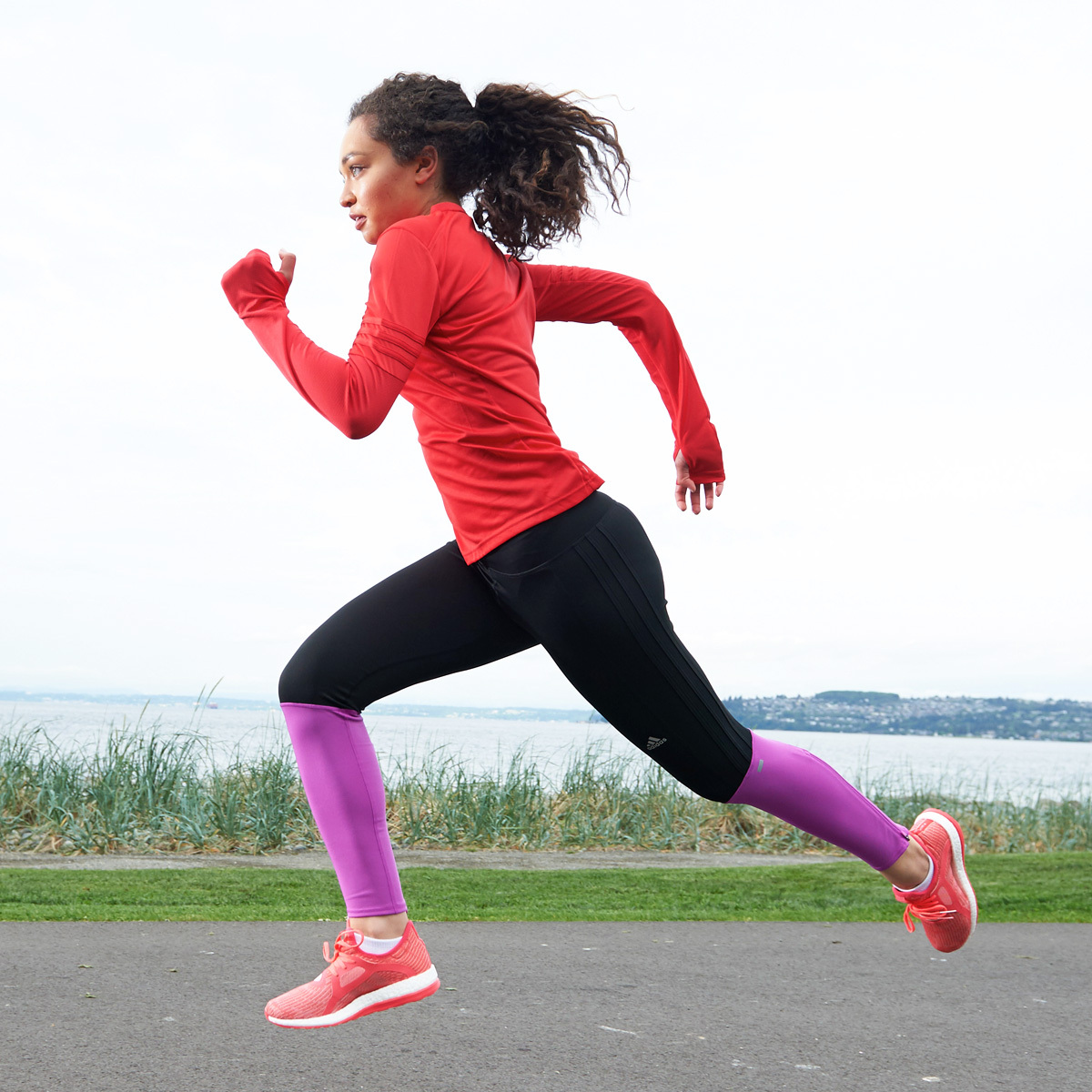
Running on roads alongside vehicular traffic presents unique challenges and inherent risks that necessitate a proactive approach to safety. Understanding these risks is the foundational step towards ensuring a safe and enjoyable running experience. This section will delve into the specific dangers runners face, the critical importance of visibility, common hazards, and the overarching reasons why prioritizing road safety is paramount.When runners share the road with motor vehicles, a dynamic and potentially hazardous environment is created.
The significant speed differential between a runner and a car, coupled with the driver’s limited field of vision and potential distractions, can lead to dangerous situations. Runners must always assume that drivers may not see them, especially in conditions of low light or adverse weather.
Inherent Risks of Running on Roads with Vehicular Traffic
The primary risks stem from the disparity in mass, speed, and maneuverability between runners and vehicles. A collision with a motor vehicle, even at low speeds, can result in severe injuries or fatalities for a runner due to their vulnerability. Factors such as driver inattention, impaired driving, and poor road conditions further exacerbate these risks.
Importance of Visibility for Runners
Visibility is arguably the most crucial element for road safety for runners. Being seen by drivers allows them to anticipate the runner’s presence and react accordingly, thereby preventing accidents. Inadequate visibility can render a runner virtually invisible to motorists, particularly during dawn, dusk, or nighttime hours, as well as in inclement weather such as rain, fog, or snow.To enhance visibility, runners should adopt a multi-faceted approach:
- Wearing brightly colored clothing, such as neon or fluorescent hues, which are more easily discernible in daylight.
- Utilizing reflective gear, including vests, armbands, or shoe clips, which reflect headlights and other light sources, making runners visible in low-light conditions.
- Incorporating lights, such as a headlamp or a blinking taillight, to increase visibility during darkness or periods of reduced light.
Common Hazards Encountered by Runners on Roadways
Runners often encounter a variety of hazards that can compromise their safety. These can be broadly categorized into environmental and human-related factors.Common hazards include:
- Uneven or damaged road surfaces, such as potholes, cracks, or loose gravel, which can lead to trips and falls.
- Obstacles encroaching on the running path, including parked cars, debris, or overgrown vegetation.
- Poorly designed intersections or lack of safe crossing points, increasing the risk of collisions with turning or crossing vehicles.
- Blind corners or curves where visibility is limited for both runners and drivers.
- Drainage grates or manhole covers that can pose a tripping hazard or, in some cases, have openings large enough to trap a foot.
Primary Reasons for Road Safety Paramountcy for Runners
The paramount importance of road safety for runners is rooted in the fundamental need to protect their well-being and prevent life-altering injuries. Running, while beneficial for health, inherently places individuals in a vulnerable position when sharing space with fast-moving vehicles.The primary reasons road safety is paramount include:
- Preservation of Life and Health: The most compelling reason is to avoid serious injury or death. A collision with a vehicle can have devastating and permanent consequences.
- Maintaining the Enjoyment of Running: A safe running environment allows individuals to pursue their fitness goals without constant fear or anxiety, enhancing the overall experience.
- Promoting a Positive Image of Runners: Responsible road safety practices contribute to a positive perception of runners within the community, fostering better relations with drivers and authorities.
- Legal and Ethical Considerations: While runners have a right to use public roads, they also have a responsibility to do so safely and considerately, minimizing risks to themselves and others.
- Long-Term Fitness Sustainability: Avoiding injuries ensures that runners can maintain their training regimen and continue to reap the long-term health benefits of their activity.
“The road is a shared space, and safety is a collective responsibility. As a runner, your visibility and awareness are your most potent defenses.”
Essential Gear for Road Running Safety
Equipping yourself with the right gear is paramount to ensuring your safety and visibility when running on roads with traffic. Beyond just comfortable running shoes, several key items can significantly reduce risks and enhance your overall running experience. This section details the essential safety gear every road runner should consider.Proper gear not only protects you but also makes you more predictable to drivers, fostering a safer environment for everyone.
Investing in these items is a proactive step towards minimizing potential hazards and enjoying your runs with greater peace of mind.
High-Visibility Clothing and Accessories
Visibility is arguably the most critical factor for road runners. Being seen by motorists, especially in low-light conditions, can prevent accidents. High-visibility clothing and accessories are designed to make you stand out.When selecting high-visibility items, consider the following:
- Bright Colors: Opt for fluorescent colors such as neon yellow, neon orange, or bright pink. These colors are highly visible during daylight hours and in overcast conditions.
- Reflective Elements: Look for clothing and accessories with strategically placed reflective strips or panels. These elements reflect light from headlights, making you visible at night or in dark conditions.
- Coverage: Ensure that reflective elements are present on multiple parts of your body, including your torso, arms, and legs, to be visible from all angles.
- Fit: While personal preference plays a role, consider that some reflective elements might be more effective on looser-fitting garments that can catch light from various angles. However, ensure your clothing doesn’t hinder your movement.
The benefits of incorporating reflective elements into your running attire are substantial. These elements act like tiny mirrors, bouncing light back towards its source. This means that when a car’s headlights shine on you, the reflective material will brightly illuminate your presence, alerting the driver to your location much sooner than if you were wearing ordinary clothing. This early detection is crucial for giving drivers ample time to react and avoid a collision.
For instance, a runner wearing a jacket with reflective strips on the sleeves and back can be spotted from a significantly greater distance at night compared to a runner in dark apparel, potentially turning a dangerous situation into a safe one.
Footwear for Road Running Safety and Stability
While often thought of primarily for comfort and performance, running shoes also play a vital role in road running safety. The right footwear can enhance stability, provide adequate cushioning, and offer good traction, all of which contribute to preventing falls and injuries on hard surfaces.The role of footwear in road running safety and stability is multifaceted:
- Cushioning: Road surfaces are hard, and adequate cushioning in your shoes absorbs impact, reducing stress on your joints and muscles. This can prevent fatigue-related missteps and injuries.
- Stability Features: For runners who overpronate (their foot rolls inward excessively) or supinate (their foot rolls outward), stability shoes offer support to guide the foot through a more neutral motion. This reduces the risk of ankle sprains and other lower-limb injuries.
- Tread and Grip: The outsole of your shoes should provide good traction on paved surfaces, even when wet. A worn-out or smooth tread can lead to slips and falls, especially when navigating uneven pavement or during sudden stops.
- Fit and Support: Properly fitting shoes prevent blisters and discomfort, which can distract you and lead to unsafe running form. Ensure there is enough room in the toe box and that the heel is secure.
Strategic Route Planning and Awareness
Choosing a safe running route is paramount to minimizing risks when running on roads with traffic. A well-planned route can significantly reduce your exposure to hazardous situations, allowing you to focus on your physical activity and enjoy the experience. This section will guide you through selecting routes that prioritize safety and help you stay vigilant.Strategic route planning involves a proactive approach to identifying and mitigating potential dangers before you even lace up your running shoes.
By understanding the characteristics of different roads and intersections, you can make informed decisions that enhance your safety and overall running experience.
Selecting Safe Running Routes
When selecting a running route, prioritizing areas with lower traffic volume and speed is a primary consideration. Routes that offer dedicated pedestrian pathways, such as sidewalks or well-maintained shoulders, are inherently safer than those without. Additionally, consider routes that have good visibility, avoiding blind corners or areas with overgrown vegetation that could obscure approaching vehicles. Familiarity with a route can also contribute to safety, as you become more aware of potential hazards and traffic patterns.Here are key factors to consider when choosing a safe running route:
- Traffic Volume and Speed: Opt for roads with less vehicular traffic and lower speed limits. Residential streets or designated bike paths are often preferable to busy arterial roads.
- Sidewalks and Shoulders: Prioritize routes with continuous and well-maintained sidewalks or wide, clear shoulders. This provides a buffer zone between you and moving traffic.
- Visibility: Choose routes with good sightlines. Avoid areas with sharp curves, hills that obscure views, or dense foliage that could hide approaching vehicles or pedestrians.
- Intersections: Select routes with fewer intersections, and when intersections are unavoidable, opt for those with clear markings, pedestrian signals, and good visibility in all directions.
- Lighting: If you plan to run during dawn, dusk, or at night, ensure the chosen route is well-lit.
- Surface Condition: While not directly traffic-related, a well-maintained running surface reduces the risk of trips and falls, which can be particularly dangerous near traffic.
Assessing Potential Dangers on a Planned Running Path
Before embarking on a run, a thorough assessment of your planned route can identify potential hazards. This involves looking beyond the general characteristics of the road and examining specific points of concern. Understanding these potential dangers allows you to develop strategies to navigate them safely.Consider the following aspects when assessing your planned route:
- Intersection Analysis: Pay close attention to how your route interacts with cross-streets. Are there traffic lights, stop signs, or is it a free-flowing intersection? Assess the sightlines for both drivers and runners at each intersection.
- Driveway Access Points: Residential driveways can be overlooked but pose a risk. Drivers backing out of driveways may not see a runner approaching. Note areas with numerous driveways, especially those with limited visibility.
- Road Construction and Detours: Check for any ongoing road construction or planned detours that might reroute traffic or create unexpected hazards. Local news or traffic apps can be helpful resources.
- Parked Cars: Rows of parked cars can obstruct visibility, and drivers or passengers exiting vehicles can be unaware of runners. Identify sections with heavy on-street parking.
- Pedestrian Crossings: If your route includes designated pedestrian crossings, assess their condition, visibility, and whether they are well-signed.
- Environmental Factors: Consider how weather conditions might impact visibility and road surface. Heavy rain can reduce visibility for drivers and create slippery conditions.
Staying Aware of Surroundings While Running
Maintaining situational awareness is a critical component of road running safety. It involves actively engaging with your environment and being prepared to react to unexpected events. This proactive approach significantly reduces the likelihood of accidents.Effective methods for staying aware of your surroundings include:
- Minimize Distractions: Avoid using headphones that completely block out ambient noise. If you use headphones, opt for bone-conduction models or keep the volume low enough to hear traffic and other sounds.
- Scan Ahead and Behind: Regularly check for approaching vehicles, cyclists, and other pedestrians. Glance behind you periodically to be aware of what is coming up.
- Make Eye Contact: When approaching intersections or driveways, try to make eye contact with drivers to ensure they see you.
- Be Predictable: Run facing traffic when there is no sidewalk. This allows you to see oncoming vehicles and for drivers to see you.
- Listen Actively: Pay attention to the sounds of traffic, horns, sirens, and any other auditory cues that might indicate potential danger.
- Anticipate Actions: Try to predict the actions of drivers, such as their speed, turning intentions, and potential for sudden stops.
Pre-Run Route Assessment Checklist
A pre-run route assessment checklist can help ensure you’ve considered all crucial safety aspects of your chosen path. This structured approach guarantees that no important detail is overlooked, promoting a safer running experience.Here is a checklist to guide your pre-run route assessment:
- Route Overview: Is the route generally low-traffic and low-speed?
- Sidewalk/Shoulder Availability: Are there continuous and safe sidewalks or shoulders for the majority of the route?
- Visibility at Intersections: Are sightlines clear at all planned intersections?
- Number of Intersections: Is the number of intersections manageable and safe to navigate?
- Driveway Density: Are there excessive numbers of driveways with poor visibility?
- Road Surface Condition: Is the path free of significant cracks, potholes, or debris?
- Lighting Conditions: If running in low light, is the route adequately lit?
- Potential Obstructions: Are there areas with numerous parked cars or other obstructions?
- Construction/Detours: Have I checked for any current or upcoming road work?
- Emergency Exits: Are there safe points to exit the route if needed?
Navigating Traffic: Rules and Etiquette

Understanding and adhering to traffic rules and practicing good etiquette are paramount for safe road running. This section will guide you through the fundamental principles that govern road use for runners, ensuring you can interact with vehicular traffic confidently and responsibly.Navigating roads with active vehicle traffic requires a runner to operate with the same respect for the rules as any other road user.
While runners are not drivers, the principles of visibility, predictability, and adherence to traffic signals are equally vital. Embracing these guidelines not only protects you but also contributes to a smoother and safer experience for everyone on the road.
Fundamental Rules of the Road for Runners
Runners on public roads are generally considered pedestrians and must abide by pedestrian laws. These laws are designed to ensure the safety of all road users by establishing clear expectations for behavior.Key rules include:
- Sidewalks are Preferred: Whenever a sidewalk is available, runners should use it. This physically separates runners from vehicular traffic, significantly reducing risk.
- Facing Traffic: If a sidewalk is not available, runners must run on the shoulder or the edge of the road, facing oncoming traffic. This allows runners to see approaching vehicles and react accordingly.
- Obeying Traffic Signals: Runners must obey all traffic signals and signs, including pedestrian crossing signals, stop signs, and yield signs. Treat traffic lights as if you were driving a vehicle.
- Using Crosswalks: Always use designated crosswalks when crossing streets, even if it means a slight detour. These are the safest points for pedestrians to cross.
- Visibility: Runners should make themselves as visible as possible, especially during dawn, dusk, and nighttime, or in adverse weather conditions. This includes wearing reflective gear and using lights.
Safe Crossing Techniques
Crossing roads safely is a critical skill for any runner. This involves more than just looking both ways; it requires a systematic approach to ensure you have a clear path and are seen by drivers.
At Intersections
Intersections are areas where multiple traffic flows converge, demanding heightened awareness.
- Wait for the Walk Signal: When available, wait for the pedestrian “walk” signal or a green light before entering the crosswalk.
- Look Left, Right, and Left Again: Even with a walk signal, it is imperative to look left, then right, and then left again before stepping into the street. Drivers may run red lights or turn without seeing pedestrians.
- Make Eye Contact: Attempt to make eye contact with drivers of approaching vehicles before crossing, especially those making turns. This confirms they have seen you.
- Be Aware of Turning Vehicles: Drivers turning at intersections may not be looking for pedestrians. Be particularly cautious of vehicles turning right on red or left across your path.
At Unmarked Areas
Crossing roads at points without designated crosswalks or traffic signals carries increased risk and requires extra vigilance.
- Select a Clear Line of Sight: Choose a location where you have a clear view of oncoming traffic in both directions and where drivers have a clear view of you. Avoid crossing at curves or hills.
- Wait for a Sufficient Gap: Do not attempt to cross unless there is a large enough gap in traffic to do so safely. This means waiting for multiple vehicles to pass.
- Cross Directly: Once you begin crossing, do so in a straight line and at a brisk pace. Avoid stopping or hesitating in the middle of the road.
- Continue Scanning: Keep scanning for approaching vehicles even as you cross.
Anticipating and Reacting to Vehicle Movements
Effective anticipation of vehicle behavior is key to avoiding dangerous situations. Drivers can be unpredictable, and runners need to develop an instinct for potential hazards.Consider the following when navigating traffic:
- Predictive Observation: Watch not just the cars themselves, but also their speed, direction, and any signs of erratic driving. Are they braking unexpectedly? Are they swerving?
- Brake Lights as Warnings: Brake lights indicate a vehicle is slowing down. This could be for a red light, a stop sign, or a pedestrian, but it’s also a cue to be alert.
- Headlights in Mirrors: Seeing headlights in your peripheral vision or in reflections can indicate a vehicle is approaching from behind.
- The “Glance and Go” Danger: Be wary of drivers who glance at you and then proceed. They may misjudge your speed or assume you will stop.
- Reaction Time: Understand that drivers have reaction times and stopping distances. Do not assume a driver will stop instantly for you.
Safe and Unsafe Practices When Encountering Traffic
Distinguishing between safe and unsafe practices is crucial for maintaining personal safety. The following table highlights common scenarios and the recommended approach.
| Safe Practice | Unsafe Practice |
|---|---|
| Running on the sidewalk whenever available. | Running in the middle of the road with traffic passing closely on either side. |
| Wearing bright, reflective clothing and using lights at night or in low visibility. | Wearing dark, non-reflective clothing when running in the dark or in fog. |
| Making direct eye contact with drivers before crossing, especially at intersections. | Assuming a driver sees you just because you are visible or in a crosswalk. |
| Waiting for a complete gap in traffic to cross at unmarked locations. | Darting out into traffic, assuming drivers will stop for you. |
| Running facing oncoming traffic on the edge of the road when no sidewalk is present. | Running with your back to oncoming traffic. |
| Using designated crosswalks and obeying traffic signals. | Crossing streets mid-block or against traffic signals. |
| Being aware of your surroundings and avoiding distractions like headphones. | Running with headphones at high volumes, preventing you from hearing approaching vehicles. |
Visibility and Communication with Drivers
Ensuring you are seen and understood by motorists is paramount to your safety as a road runner. This section focuses on practical strategies to enhance your visibility and effectively communicate your intentions to drivers, minimizing the risk of accidents.
Maximizing Runner Visibility
Visibility is not a static state; it fluctuates significantly with ambient light and weather conditions. Implementing a multi-faceted approach to visibility ensures you remain noticeable to drivers at all times.
Daylight Running Visibility
During daylight hours, bright colors are your best ally. Opt for clothing in fluorescent shades like neon yellow, orange, or pink, as these hues are particularly effective at catching the eye. Reflective elements are also beneficial, even in bright conditions, as they can help define your shape and movement against varied backgrounds.
Dusk and Dawn Visibility
As light levels decrease, the importance of reflective and illuminated gear intensifies. The transition periods of dusk and dawn present unique challenges, as natural light is insufficient for clear vision but bright enough that artificial lights might not be immediately apparent to drivers.
Nighttime Running Visibility
At night, active illumination and extensive reflectivity are non-negotiable. Consider wearing a headlamp or chest light that projects a beam forward, making your presence known and helping you see. Additionally, ensure your clothing and accessories have ample reflective strips or panels that catch the headlights of approaching vehicles.
Establishing Eye Contact with Drivers
Making direct eye contact with drivers before entering their perceived path is a crucial step in confirming they have seen you. This non-verbal confirmation ensures mutual awareness and reduces the likelihood of a driver proceeding without acknowledging your presence.
Strategies for Making Eye Contact
When approaching an intersection, crosswalk, or any point where you might enter a driver’s path, pause briefly. Look directly at the driver of any approaching vehicle. If they make eye contact and slow down or yield, it signifies they have seen you and are aware of your intention to cross. If they do not make eye contact or continue at speed, it is safest to wait for the next vehicle or a clearer opportunity.
Signaling Intentions to Motorists
Clear and consistent signaling can prevent misunderstandings and provide drivers with the information they need to react appropriately. This is especially important when making turns or changing direction.
Effective Signaling Methods
Use clear hand signals to indicate your intentions. Extend your arm horizontally to the left for a left turn, and extend your arm horizontally to the right for a right turn. For a stop, extend your arm downwards with your palm facing forward. Ensure your signals are visible and held for a sufficient duration for drivers to perceive them.
Importance of Predictable Movement Patterns
Drivers are accustomed to predictable patterns of movement from pedestrians and other vehicles. Erratic or unpredictable actions can be confusing and dangerous.
Maintaining Predictable Behavior
Run on the same side of the road as traffic flow whenever possible, and face oncoming traffic if you must run on the shoulder or against traffic. Avoid sudden darting into the road or making abrupt changes in direction. Consistent and predictable movements allow drivers to anticipate your actions and react safely.
Running in Different Traffic Conditions

Navigating roads as a runner requires adaptability, as traffic conditions can vary significantly. Understanding these variations and implementing specific safety measures is crucial for a secure and enjoyable running experience. This section will explore the unique challenges and safety strategies associated with different traffic environments and times.Different traffic conditions present distinct risks and require tailored approaches to ensure runner safety.
Being aware of these nuances allows for proactive planning and execution of safe running practices.
Peak Traffic Hours
Running during peak traffic hours, such as morning and evening commutes, demands heightened vigilance. The increased volume of vehicles, often moving at higher speeds, amplifies the potential for accidents.Key safety considerations for running during peak traffic hours include:
- Increased Visibility: Wear brightly colored clothing and reflective gear, even during daylight, to ensure drivers can spot you from a distance.
- Anticipate Driver Behavior: Drivers are often stressed and in a hurry during peak times, which can lead to less attentive driving. Be prepared for sudden stops or lane changes.
- Strategic Positioning: Stay as far to the side of the road as safely possible, facing oncoming traffic, to see approaching vehicles.
- Avoid Distractions: Refrain from using headphones or engaging in conversations that could divert your attention from the surrounding traffic.
- Choose Less Congested Routes: If possible, opt for routes that are known to be less congested during these times, even if they are slightly longer.
Roads with Limited or No Sidewalks
Running on roads without sidewalks presents a significant safety challenge, as it places runners directly in the path of vehicular traffic. The absence of a dedicated pedestrian space requires an elevated level of caution and awareness.Precautions for running on roads with limited or no sidewalks:
- Face Oncoming Traffic: Always run facing the direction of traffic. This allows you to see approaching vehicles and react accordingly.
- Maintain a Safe Distance: Stay as far to the edge of the road as possible, but ensure you are not running in a ditch or on uneven terrain.
- Utilize the Shoulder: If a shoulder is available, use it. However, be mindful of its condition, as it may contain debris or be uneven.
- Be Predictable: Run in a straight line and avoid sudden movements that could surprise drivers.
- Communicate Intentions: If you need to cross the road or make a turn, signal your intentions clearly to any approaching vehicles.
Rural Versus Urban Traffic Environments
The nature of traffic and road conditions differs significantly between rural and urban settings, each requiring specific safety strategies.
Rural Traffic Environments
Rural roads often have higher speed limits, fewer traffic signals, and less predictable traffic flow. While there may be fewer cars, the speed at which they travel can be a major concern.
- Higher Speeds: Drivers on rural roads often travel at higher speeds, reducing reaction time for both runners and drivers.
- Limited Visibility: Curves, hills, and vegetation can obscure visibility for both runners and drivers. Be extra cautious when approaching blind spots.
- Farm Equipment and Animals: Be aware of the potential for slow-moving farm equipment or animals on rural roads.
- Infrequent Traffic: While less traffic might seem safer, it can also lead to drivers being less accustomed to seeing pedestrians, potentially reducing their vigilance.
Urban Traffic Environments
Urban environments are characterized by higher traffic density, more intersections, and a greater number of pedestrians and cyclists. The complexity of urban traffic requires constant awareness.
- Dense Traffic: Higher volumes of cars, buses, and trucks mean more potential hazards.
- Intersections and Crosswalks: Pay close attention to traffic signals and pedestrian crossings. Assume drivers may not see you, even in a crosswalk.
- Cyclists and Other Pedestrians: Be mindful of other road users who share the space.
- Noise Pollution: Urban noise can mask the sound of approaching vehicles, making it crucial to rely on visual cues.
Running in Adverse Weather Conditions
Adverse weather significantly impacts visibility and road conditions, demanding extra precautions for runners. Rain, fog, snow, and ice can drastically reduce a driver’s ability to see a runner and increase the risk of slips and falls.Safety tips for running in adverse weather conditions:
- Enhanced Visibility Gear: Always wear the brightest, most reflective gear possible. Consider adding a flashing light or vest.
- Reduce Speed: Slow down your pace to allow for better control and reaction time, especially on slippery surfaces.
- Be Aware of Road Surface: Wet roads reduce tire grip, and icy patches can be extremely hazardous. Adjust your stride to maintain balance.
- Adjust Your Route: If possible, choose routes with better lighting or fewer potential hazards like steep hills or open areas exposed to wind.
- Inform Someone of Your Route: Let a friend or family member know where you are running and when you expect to return, especially in challenging conditions.
- Consider Running Indoors: In severe weather, an indoor running track or treadmill might be a safer alternative.
“Visibility is paramount in adverse weather; assume drivers cannot see you until they clearly do.”
Injury Prevention and Emergency Preparedness
Running on roads, especially with traffic, presents unique challenges that can impact your physical well-being. Understanding common running injuries and knowing how to prepare for emergencies are crucial components of safe and enjoyable road running. This section will guide you through proactive measures to prevent injuries and reactive steps to take in critical situations.Road running surfaces and the dynamic environment of traffic can contribute to specific types of injuries.
Being aware of these potential issues allows for better prevention strategies.
Common Road Running Injuries
Road surfaces, often hard and unyielding like asphalt or concrete, can place repetitive stress on the body. This constant impact can lead to a variety of musculoskeletal issues if not managed properly.
- Stress Fractures: These are tiny cracks in a bone, often occurring in the feet and lower legs, caused by repetitive force and overuse. The hard impact of road surfaces exacerbates this risk.
- Shin Splints (Medial Tibial Stress Syndrome): Pain along the inner edge of the shinbone, frequently caused by inflammation of the muscles, tendons, and bone tissue around the tibia. Inadequate footwear or sudden increases in mileage on hard surfaces are common culprits.
- Plantar Fasciitis: Inflammation of the plantar fascia, a thick band of tissue that runs across the bottom of your foot, connecting your heel bone to your toes. Tight calf muscles and running on hard, flat surfaces can contribute to this painful condition.
- Achilles Tendinitis: Inflammation of the Achilles tendon, which connects your calf muscles to your heel bone. Overuse, particularly with insufficient warm-up or on unforgiving surfaces, can lead to this.
- Runner’s Knee (Patellofemoral Pain Syndrome): Pain around or behind the kneecap, often caused by imbalances in the muscles supporting the knee or by the repetitive impact of running on hard surfaces.
Near-Miss and Accident Response Procedure
In the unpredictable environment of road running, encountering a near-miss or being involved in an accident, however minor, requires a calm and systematic approach. Prioritizing your safety and gathering necessary information are paramount.If you experience a near-miss or are involved in an accident, follow these steps:
- Assess for Immediate Danger: Your first priority is to ensure you are in a safe location away from moving traffic. If you are injured, try to move to the side of the road if possible, or signal to others for help.
- Check for Injuries: Conduct a self-assessment for any pain, bleeding, or mobility issues. If you suspect a serious injury, do not move and call for emergency medical services immediately.
- Exchange Information (If Safe and Able): In the event of an accident involving a vehicle, and if you are able, exchange contact and insurance details with the driver. Note the vehicle’s license plate number, make, model, and color.
- Document the Scene: If possible and safe to do so, take photos of the accident scene, any damage to your belongings, and any visible injuries. Note the time, date, and exact location.
- Seek Medical Attention: Even if injuries seem minor, it is advisable to seek medical evaluation. Some injuries, like concussions or internal bruising, may not be immediately apparent.
- Report the Incident: Depending on the severity, you may need to report the incident to local law enforcement.
Carrying Identification and Emergency Contact Information
It is vital to have readily accessible identification and emergency contact information on your person during every run. This ensures that in the event of an incapacitation or emergency, first responders can quickly identify you and notify your loved ones.Consider the following methods for carrying this crucial information:
- ID Bracelet or Tag: Wear a medical ID bracelet or a running-specific ID tag that clearly displays your name, any critical medical conditions (e.g., allergies, diabetes), and an emergency contact number.
- Waterproof Pouch or Case: Carry a small, waterproof pouch or case containing a card with your essential personal details and emergency contacts. This can be tucked into a running belt, shorts pocket, or a hydration vest.
- ICE (In Case of Emergency) Contact on Phone: Many smartphones allow you to set up an “ICE” contact that can be accessed from the lock screen. Ensure this is enabled and that the contact information is up-to-date.
- Medical Alert Apps: Utilize specialized apps designed for runners that can store medical information and allow for quick emergency contact initiation.
Your emergency contact information should include the name of the person, their relationship to you, and their phone number.
Reporting Unsafe Road Conditions
As a road runner, you are often the first to notice and experience hazardous road conditions. Reporting these issues can prevent future accidents and improve safety for all road users.To effectively report unsafe road conditions, follow these guidelines:
- Identify the Specific Hazard: Clearly note the type of hazard (e.g., large potholes, missing manhole covers, debris in the road, faded lane markings, overgrown vegetation obstructing visibility).
- Record the Location: Be precise with the location. Note the street name, nearest cross-street, mile marker, or any other identifiable landmark. If possible, use GPS coordinates from your phone.
- Contact the Appropriate Authority: The entity responsible for road maintenance and safety typically varies by location. This could be:
- Local Department of Public Works or Transportation: For most municipal roads and sidewalks.
- State Department of Transportation: For state highways and major roadways.
- City or County Engineering Department: For specific infrastructure issues.
Many municipalities now offer online portals or dedicated apps for reporting non-emergency infrastructure issues, which are often the most efficient method.
- Provide Detailed Description: When reporting, offer a clear and concise description of the hazard and its potential impact on runners and other road users.
- Follow Up (If Necessary): If a significant hazard remains unaddressed after a reasonable period, consider following up with the relevant authority.
By being observant and proactive, you contribute to a safer environment for yourself and your fellow runners.
Maintaining Situational Awareness
Maintaining a high level of situational awareness is paramount for road runners, ensuring their safety and ability to react to dynamic traffic environments. This involves a conscious effort to stay present and attentive to surroundings, recognizing that the road is a shared space with potential hazards. By actively engaging with the environment, runners can significantly reduce their risk of accidents.The ability to perceive, understand, and project the future status of elements in the environment is the core of situational awareness.
For runners, this translates to continuously processing information about approaching vehicles, pedestrians, cyclists, road conditions, and potential environmental changes. This constant assessment allows for proactive decision-making, rather than reactive responses to sudden dangers.
Focusing on the Road and Traffic
To maintain focus, runners should cultivate a habit of actively observing their environment rather than passively moving through it. This involves a mental commitment to processing visual and auditory cues that signal potential risks or changes in traffic patterns. By prioritizing the road ahead and the sounds of approaching traffic, runners can build a robust awareness of their immediate surroundings.Visual scanning should encompass not only the road directly in front but also peripheral vision to detect vehicles or pedestrians from the sides or behind.
Auditory cues, such as engine sounds, horns, or tire noise, provide crucial information about approaching vehicles, especially in conditions of low visibility or when facing away from traffic.
Risks Associated with Distractions
Distractions, particularly the use of headphones, can severely impair a runner’s ability to maintain situational awareness. While music or podcasts can enhance motivation, they can also mute critical auditory warnings from traffic, such as approaching vehicles, sirens, or the sound of bicycle bells. This auditory isolation can create a dangerous blind spot, leaving runners vulnerable to unexpected encounters.
“The world around you is speaking. Are you listening?”
Even single-earbud use can be insufficient, as it may still muffle important sounds. Furthermore, the mental engagement required to process audio content can detract from the focus needed to actively scan the environment for hazards.
Actively Scanning the Environment
Developing a routine of active scanning involves deliberately directing attention to different aspects of the environment at regular intervals. This is not a passive glance but a focused observation aimed at identifying any potential threats or changes.Methods for active scanning include:
- Frequent Head Turns: Periodically turning the head to check behind and to the sides allows for a comprehensive view of approaching traffic and other road users. This should be done more frequently when approaching intersections or areas with high pedestrian activity.
- Intermittent Gaze Shifts: Alternating focus between the immediate path and further down the road helps anticipate upcoming turns, changes in road surface, or approaching vehicles from a distance.
- Auditory Checks: Making a conscious effort to listen for traffic sounds, especially when approaching blind corners or areas with reduced visibility, is vital.
- Observing Vehicle Behavior: Paying attention to the speed, direction, and signaling of vehicles can provide early warnings of potential conflicts. For example, a car slowing down unexpectedly or veering slightly might indicate a driver’s inattention or a potential hazard.
Routine for Checking Surroundings
Establishing a regular rhythm for checking surroundings transforms situational awareness from an occasional effort into an ingrained habit. This routine should be adapted based on the specific running environment and traffic conditions.A suggested routine for checking surroundings could involve:
- Every 30-60 Seconds: Perform a quick visual sweep of the immediate surroundings, checking behind and to the sides.
- Before and During Intersections: Thoroughly check for traffic in all directions before entering an intersection and continue to monitor as you cross.
- Approaching Driveways and Alleys: Be vigilant for vehicles emerging from driveways or alleys, as drivers may not see runners.
- Navigating Turns: When making a turn, ensure the path is clear and check for any oncoming traffic or pedestrians.
- In Areas of Reduced Visibility: Increase the frequency of checks when running in fog, rain, or at dawn/dusk.
This consistent practice ensures that no critical information is missed, allowing runners to adapt their pace or position proactively to avoid potential dangers.
Ultimate Conclusion
By embracing the principles of visibility, awareness, and adherence to road safety guidelines, you can transform your road running experience into one that is both enjoyable and remarkably safe. This journey into safe road running empowers you to confidently hit the pavement, knowing you are well-prepared to anticipate, react, and protect yourself. Remember, a little preparation and constant vigilance are your greatest allies in ensuring every run is a successful and secure one, allowing you to focus on the joy of movement and the beauty of your surroundings.