Embarking on your first 5K is an exciting milestone, and this guide is designed to equip you with everything you need to cross the finish line with assurance and a sense of accomplishment. We’ll navigate the journey from understanding the distance to celebrating your success, ensuring a supportive and informative experience.
This comprehensive resource will demystify the process of preparing for and completing your inaugural 5K race. From selecting the right gear and building a smart training plan to understanding nutrition, injury prevention, and race day strategies, every aspect is covered to empower you.
Understanding the 5K Distance and Goal Setting

Embarking on your first 5K is an exciting milestone, and understanding the distance and setting clear goals are fundamental to your success and confidence. This section will demystify the 5K and equip you with the tools to set achievable targets.The 5K, a popular distance in running and walking events worldwide, represents a significant yet attainable challenge for beginners. It’s a distance that allows for substantial progress with consistent training, fostering a sense of accomplishment and building a strong foundation for future athletic endeavors.
The Standard 5K Distance
A 5K race is precisely 5 kilometers long. For those more familiar with imperial measurements, this translates to approximately 3.1 miles. This distance is a global standard, making it accessible and recognizable for participants in events across continents.
Benefits of Clear and Achievable Goal Setting
Setting a well-defined goal for your first 5K provides direction, motivation, and a measurable outcome for your training efforts. It transforms a general desire to run into a concrete objective, making the journey more focused and rewarding.A clear goal acts as a powerful motivator. When you have a specific target, whether it’s to finish the race, achieve a certain time, or simply to complete it without walking, you are more likely to stick to your training plan.
This focus helps overcome the inevitable challenges and plateaus that can arise during training. Furthermore, achieving a set goal, no matter how modest, builds confidence and a positive self-image, encouraging continued engagement in physical activity.
Strategies for Setting Realistic Personal Best Times for Beginners
For your inaugural 5K, the primary goal should be completion and enjoyment. However, if you wish to set a time-based objective, consider these strategies:
- Initial Assessment: Before beginning a structured training plan, perform a short, timed run (e.g., one mile) to gauge your current fitness level. This provides a baseline for your progress.
- Consult Training Plans: Many beginner 5K training plans include suggested timelines for completing the distance based on different starting fitness levels. These plans are often developed by experienced coaches and runners.
- Gradual Progression: Avoid setting an overly ambitious time for your first 5K. A realistic goal for many beginners might be to finish within 30-45 minutes. Focus on consistency and building endurance first.
- Listen to Your Body: Progress is individual. What is realistic for one person may not be for another. Adjust your goals based on how your body responds to training.
“The greatest glory in living lies not in never falling, but in rising every time we fall.”Nelson Mandela. This quote perfectly encapsulates the spirit of perseverance needed for any athletic endeavor, including your first 5K.
Common Misconceptions About Running a 5K for the First Time
Several myths can deter individuals from attempting their first 5K. Addressing these misconceptions can foster greater confidence and encourage more people to participate.
- Misconception 1: You need to be a seasoned runner. This is untrue. Many people complete their first 5K using a run/walk strategy, gradually increasing their running intervals. The focus is on building stamina, not speed, for your first event.
- Misconception 2: A 5K is too long for beginners. While 5 kilometers is a significant distance, it is very achievable with a structured training plan. Programs typically span 6-8 weeks, allowing ample time for your body to adapt.
- Misconception 3: You must finish without stopping. For your first 5K, the primary objective is to cross the finish line. Many first-time participants utilize walking breaks, and this is perfectly acceptable and a smart strategy for conserving energy.
- Misconception 4: Running a 5K requires expensive gear. While good running shoes are important, you don’t need a lot of specialized equipment to start. Comfortable athletic clothing and a supportive pair of shoes are sufficient.
Essential Preparation and Gear

Embarking on your 5K journey requires thoughtful preparation, and having the right gear can significantly enhance your comfort, performance, and overall enjoyment. This section focuses on equipping you with the knowledge to select the most crucial items for your training and race day.Preparing for your first 5K involves more than just lacing up your shoes. It’s about building a foundation of comfort and support through the right equipment.
Investing in quality gear can prevent discomfort, reduce the risk of injury, and boost your confidence as you progress.
Essential Running Gear Checklist
To ensure you have everything you need for a successful 5K training program and race day, consider the following essential items. A well-prepared runner is a confident runner, and this checklist covers the core components of your running kit.
- Running Shoes: The most critical piece of equipment.
- Moisture-Wicking Apparel: Tops, bottoms, and socks designed to manage sweat.
- Sports Bra (for women): Provides necessary support.
- Headwear: A cap or visor for sun protection or a beanie for colder weather.
- Running Socks: Specifically designed to prevent blisters and manage moisture.
- Hydration: A water bottle or hydration pack for longer runs.
- Safety Gear: Reflective clothing or a headlamp for low-light conditions.
- Optional: Running Watch or App: For tracking pace, distance, and time.
Selecting Proper Running Shoes
Your running shoes are arguably the most important piece of gear you will own for your 5K training. They are designed to provide cushioning, support, and stability, absorbing impact and propelling you forward. The right pair can make a significant difference in preventing injuries and improving your running experience.The selection process should involve understanding your foot type and running gait.
Many specialty running stores offer gait analysis, where trained staff observe you walking or running to determine if you overpronate (foot rolls inward), supinate (foot rolls outward), or have a neutral gait. This analysis helps in recommending shoes that offer the appropriate level of support and cushioning. For beginners, a neutral shoe with good cushioning is often a safe and effective choice.
Consider factors like the shoe’s flexibility, heel-to-toe drop, and the type of terrain you’ll be running on.
Benefits of a Running Watch or App
Incorporating a running watch or a smartphone application into your training can provide valuable insights into your progress and help you stay motivated. These tools go beyond simple timekeeping, offering detailed metrics that allow you to understand your performance and make informed adjustments to your training plan.A running watch or app can track key data points such as:
- Distance Covered: Essential for monitoring your progress towards the 5K goal.
- Pace: Helps you understand how fast you are running and identify areas for improvement.
- Time: Tracks the duration of your runs.
- Heart Rate: For those looking to train within specific heart rate zones for improved cardiovascular fitness.
- Cadence: The number of steps you take per minute, which can help in improving running efficiency.
By reviewing this data, you can set realistic goals, monitor your improvement over time, and even identify potential issues like fatigue or overtraining. For instance, noticing a consistent increase in pace over several weeks can be a significant confidence booster, reinforcing your commitment to your training.
Sample Shopping List for a 5K Journey
To help you get started, here is a sample shopping list tailored for someone beginning their 5K training. This list prioritizes essential items that will support your early runs and build a solid foundation for your running journey.
| Category | Item | Notes |
|---|---|---|
| Footwear | Running Shoes | Visit a specialty running store for gait analysis and fitting. |
| Running Socks (2-3 pairs) | Look for moisture-wicking materials to prevent blisters. | |
| Apparel | Moisture-Wicking T-shirt or Tank Top | Choose synthetic fabrics that pull sweat away from the skin. |
| Running Shorts or Capris | Comfortable and non-restrictive. | |
| Sports Bra (for women) | Ensure a snug and supportive fit. | |
| Accessories | Water Bottle or Hydration Belt | For longer training runs as you progress. |
| Optional | Running Watch or Smartphone App | To track your progress and metrics. |
Building a Training Plan
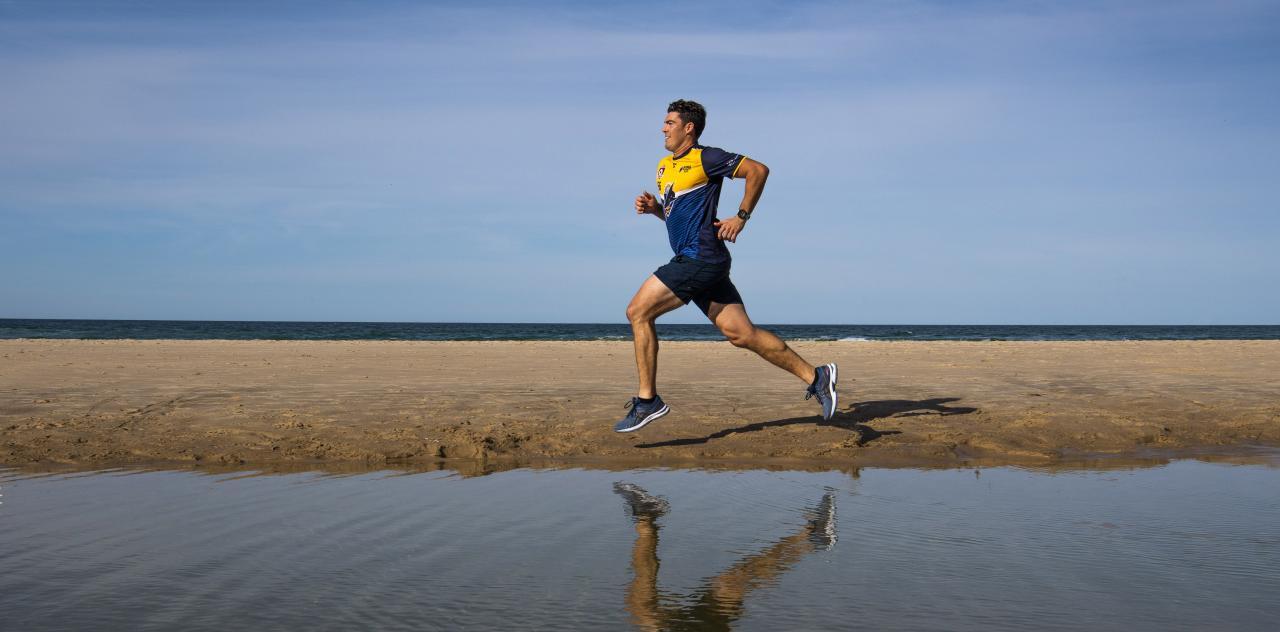
Crafting a structured training plan is fundamental to successfully completing your first 5K. It provides a roadmap, ensuring gradual progression and minimizing the risk of injury. A well-designed plan balances running, rest, and complementary activities to build endurance and strength effectively. This section will guide you through creating a sustainable and progressive training schedule.A balanced training week is the cornerstone of a successful 5K preparation.
It ensures your body has adequate time to recover and adapt between running sessions, while also building overall fitness. This approach helps prevent burnout and keeps you motivated throughout your training journey.
Components of a Balanced Training Week
A typical training week for a beginner 5K runner should incorporate a mix of running days, essential rest days, and cross-training activities. This variety supports physical recovery, enhances cardiovascular fitness, and strengthens supporting muscles, all crucial for injury prevention and performance improvement.
- Running Days: These are dedicated sessions focused on increasing your running duration and distance. For beginners, these will initially involve run/walk intervals.
- Rest Days: Crucial for muscle repair and recovery. Adequate rest allows your body to adapt to the training stress, making you stronger and reducing the risk of overuse injuries.
- Cross-Training Days: Engaging in activities like swimming, cycling, yoga, or strength training. These activities build complementary muscle strength, improve cardiovascular health without the impact of running, and can help prevent boredom.
Run/Walk Intervals Explained
Run/walk intervals are a highly effective strategy for beginners to build running endurance gradually. This method involves alternating between short periods of running and periods of walking. It allows your cardiovascular system and muscles to adapt to the demands of running without overwhelming them, making the process more manageable and less daunting.The principle behind run/walk intervals is to progressively increase the duration of your running segments while decreasing the duration of your walking segments, or to increase the total duration of your run/walk sessions.
This systematic approach builds confidence and physical capacity.
Sample 8-Week Beginner 5K Training Plan
This sample plan is designed for individuals with little to no prior running experience. It emphasizes a gradual increase in running time and distance, incorporating rest and cross-training to ensure a safe and effective progression towards completing a 5K. Always listen to your body and adjust the plan as needed.
Key: R = Run, W = Walk, CT = Cross-Train, Rest = Rest Day
| Week | Monday | Tuesday | Wednesday | Thursday | Friday | Saturday | Sunday |
|---|---|---|---|---|---|---|---|
| 1 | Rest | R 1 min, W 2 min (Repeat 6 times) | CT (30 mins) | R 1 min, W 2 min (Repeat 6 times) | Rest | R 1 min, W 2 min (Repeat 7 times) | Rest |
| 2 | Rest | R 2 min, W 2 min (Repeat 5 times) | CT (30 mins) | R 2 min, W 2 min (Repeat 5 times) | Rest | R 2 min, W 2 min (Repeat 6 times) | Rest |
| 3 | Rest | R 3 min, W 2 min (Repeat 4 times) | CT (30 mins) | R 3 min, W 2 min (Repeat 4 times) | Rest | R 3 min, W 2 min (Repeat 5 times) | Rest |
| 4 | Rest | R 5 min, W 3 min (Repeat 3 times) | CT (30 mins) | R 5 min, W 3 min (Repeat 3 times) | Rest | R 5 min, W 3 min (Repeat 4 times) | Rest |
| 5 | Rest | R 8 min, W 3 min (Repeat 2 times) | CT (30 mins) | R 8 min, W 3 min (Repeat 2 times) | Rest | R 10 min, W 2 min (Repeat 2 times) | Rest |
| 6 | Rest | R 10 min, W 2 min (Repeat 2 times) | CT (30 mins) | R 10 min, W 2 min (Repeat 2 times) | Rest | R 15 min, W 2 min (Repeat 1 time) | Rest |
| 7 | Rest | R 20 mins continuous | CT (30 mins) | R 20 mins continuous | Rest | R 25 mins continuous | Rest |
| 8 | Rest | R 15 mins easy | CT (30 mins) | R 15 mins easy | Rest | 5K RACE DAY! | Rest |
Progression of Training Intensity and Duration
The progression in this training plan is carefully structured to build endurance and speed incrementally. Each week, you will notice an increase in either the running interval duration, the number of repetitions, or the total time spent running. This gradual increase ensures your body adapts safely and effectively.The principle of progressive overload is applied here. By consistently challenging your body with slightly more than it’s accustomed to, you stimulate adaptations that lead to improved running performance.
This is typically achieved by gradually increasing the duration of your runs, the frequency of your runs, or the intensity of your runs. For a 5K, the primary focus is on increasing duration and building consistency.
“Consistency is more important than intensity, especially in the early stages of training.”
This quote highlights the importance of sticking to your plan regularly. For beginners, showing up for your scheduled runs, even if they feel easy, builds the habit and provides the consistent stimulus your body needs to adapt. Pushing too hard too soon is a common mistake that leads to injury and demotivation.
Nutrition and Hydration for Runners
Fueling your body effectively is a cornerstone of successful running, especially when preparing for your first 5K. What you eat and drink significantly impacts your energy levels, performance, and recovery. This section will guide you through the fundamental principles of nutrition and hydration to support your training journey.Proper nutrition and hydration are not just about what you consume on race day; they are integral parts of your daily routine as a runner.
By understanding how to best nourish and hydrate your body, you can optimize your training, prevent fatigue, and ensure a more enjoyable and successful 5K experience.
Pre-Run Fueling Strategies
The food and drink you consume before a run are crucial for providing immediate energy and preventing discomfort. The goal is to provide easily digestible carbohydrates for quick energy without causing digestive upset.Common pre-run meal options and their ideal timing include:
- 1-2 hours before a run: A small meal or snack rich in carbohydrates and moderate in protein, with minimal fat. Examples include:
- Oatmeal with fruit
- Toast with jam or a thin layer of peanut butter
- A banana
- A sports drink
- 30-60 minutes before a run: A very light, easily digestible snack if needed, primarily for quick energy. Examples include:
- A small piece of fruit (like half a banana)
- A few crackers
- A few sips of a sports drink
It is advisable to experiment during your training runs to find what works best for your individual digestive system and energy needs. Avoid large meals, high-fat foods, and excessive fiber close to your run, as these can lead to stomach discomfort.
Hydration Essentials for Runners
Staying adequately hydrated is paramount for maintaining performance, regulating body temperature, and preventing heat-related illnesses. Dehydration can lead to fatigue, reduced endurance, and even serious health risks.Recommended fluid intake strategies involve consistent hydration throughout the day, not just around your runs:
- Daily Hydration: Aim to drink water consistently throughout the day. A general guideline is to consume half of your body weight in ounces of water daily (e.g., a 150-pound person should aim for 75 ounces).
- Pre-Run Hydration: Drink about 16-20 ounces of water 2-3 hours before your run, and another 8 ounces 15-30 minutes before you start.
- During-Run Hydration (for longer runs or hot weather): For runs under 60 minutes, water is usually sufficient. For longer durations or in hot conditions, consider sports drinks that provide electrolytes and carbohydrates. Aim for 4-6 ounces every 15-20 minutes.
- Post-Run Hydration: Replenish fluids lost during the run. A good rule of thumb is to drink 16-24 ounces of fluid for every pound of body weight lost during exercise.
Listen to your body and monitor the color of your urine; pale yellow typically indicates good hydration, while dark yellow suggests you need to drink more.
Post-Run Recovery Nutrition
After your run, your body needs to repair muscle tissue and replenish energy stores. Focusing on a combination of carbohydrates and protein within a specific timeframe can significantly aid this recovery process.Post-run recovery nutrition aims to:
- Replenish Glycogen Stores: Carbohydrates are essential for refilling the muscles’ energy reserves (glycogen) that were depleted during your run.
- Repair Muscle Tissue: Protein is vital for muscle protein synthesis, which helps repair the microscopic tears in muscle fibers that occur during exercise.
- Rehydrate: Continue to drink fluids to replace any remaining fluid deficit.
The ideal window for post-run nutrition is typically within 30-60 minutes after finishing your run. This is when your body is most receptive to nutrient absorption.A balanced recovery meal or snack should include both carbohydrates and protein. Some effective options include:
- A smoothie made with fruit, yogurt, and protein powder
- Chocolate milk (an excellent source of carbohydrates and protein)
- A turkey sandwich on whole-wheat bread
- Greek yogurt with berries and granola
- Eggs with whole-wheat toast
“The 3 Rs of recovery: Refuel, Rehydrate, and Repair.”
By paying attention to what and when you eat and drink, you can enhance your training, feel stronger during your runs, and recover more efficiently, setting yourself up for success on your 5K day.
Injury Prevention and Safety
Embarking on your 5K journey is an exciting endeavor, and prioritizing injury prevention and safety will ensure you can enjoy the process and cross the finish line feeling strong. Understanding common running ailments and implementing preventative measures is key to a successful and sustainable running habit. This section will guide you through staying healthy and safe as you train.Running, like any physical activity, carries a risk of injury if not approached mindfully.
However, by incorporating specific practices into your routine, you can significantly mitigate these risks. From proper preparation to attentive self-monitoring, these strategies are your allies in building a resilient body for your 5K goal.
Common Running Injuries and Prevention
Beginners are particularly susceptible to certain running-related injuries due to the body adapting to new stresses. Recognizing these common issues and taking proactive steps can prevent them from derailing your training.The most frequent injuries for new runners often involve the lower extremities. These can include:
- Shin Splints: Pain along the inner edge of the shinbone, often caused by overuse, inadequate footwear, or sudden increases in mileage. Prevention involves gradual progression of training, proper footwear, and strengthening calf muscles.
- Runner’s Knee (Patellofemoral Pain Syndrome): Pain around or behind the kneecap, frequently linked to weak hip and glute muscles, tight hamstrings, or improper running form. Strengthening exercises for hips and glutes, along with stretching, are crucial.
- Plantar Fasciitis: Heel pain, particularly in the morning, caused by inflammation of the plantar fascia ligament. This can be prevented by wearing supportive shoes, stretching the calf and foot muscles, and avoiding sudden increases in intensity.
- Achilles Tendinitis: Pain in the Achilles tendon, often due to tight calf muscles or overuse. Regular calf stretches and strengthening exercises are vital for prevention.
A fundamental aspect of preventing these injuries is a commitment to gradual progression. Avoid increasing your weekly mileage or intensity by more than 10% per week. This allows your body’s connective tissues, muscles, and bones to adapt effectively to the demands of running.
Warm-Up and Cool-Down Routines
The importance of preparing your body for exercise and aiding its recovery cannot be overstated. Warm-up and cool-down routines are not optional extras; they are integral components of every training session.A dynamic warm-up prepares your muscles for the activity ahead by increasing blood flow and muscle temperature, enhancing flexibility and reducing the risk of strains. This should be performed for 5-10 minutes before each run.
Examples of dynamic stretches include:
- Leg swings (forward and backward, side to side)
- High knees
- Butt kicks
- Walking lunges
- Arm circles
Conversely, a cool-down helps your body gradually return to its resting state, reducing heart rate and blood pressure. It also aids in muscle recovery and can help alleviate post-run soreness. A cool-down typically involves 5-10 minutes of light activity, such as walking, followed by static stretching. Static stretches, held for 20-30 seconds, should focus on major muscle groups used during running, including hamstrings, quadriceps, calves, and hip flexors.
Listening to Your Body and Recognizing Overtraining
Your body provides invaluable feedback about its condition. Learning to interpret these signals is paramount to avoiding injury and overtraining, ensuring you can maintain consistency in your training.Overtraining occurs when the body is subjected to excessive stress without adequate rest and recovery. Signs of overtraining can manifest in various ways, and it’s crucial to recognize them early. These include:
- Persistent fatigue that doesn’t improve with rest
- Decreased performance or a plateau in progress
- Increased resting heart rate
- Irritability or mood changes
- Frequent illnesses or minor injuries
- Sleep disturbances
- Loss of appetite
If you experience several of these symptoms, it’s a strong indication that you need to reduce your training load, increase rest, or consider taking a complete break. Pushing through these signals can lead to more serious injuries and a longer recovery period.
“Listen to your body. It’s the only one you’ve got.”
Incorporating Stretching and Mobility Exercises
Beyond the immediate warm-up and cool-down, a consistent stretching and mobility practice contributes significantly to long-term injury prevention and improved running performance. These exercises enhance your range of motion, improve muscle function, and can alleviate stiffness.A well-rounded approach includes both static stretching and mobility work. Static stretching, as mentioned in the cool-down, involves holding a stretch. Mobility exercises, on the other hand, focus on actively moving a joint through its full range of motion.Here are some beneficial exercises to incorporate into your weekly regimen:
- Foam Rolling: This self-myofascial release technique can help break up adhesions in muscles, improving flexibility and reducing soreness. Target areas like the calves, hamstrings, quadriceps, and glutes.
- Hip Flexor Stretches: Tight hip flexors can lead to lower back pain and affect running form. Lunging stretches are effective here.
- Glute Bridges: These strengthen the gluteal muscles, which are essential for hip stability and preventing knee injuries.
- Ankle Mobility Exercises: Simple movements like ankle circles and calf raises help maintain healthy ankle joints.
- Dynamic Stretching Series: Incorporating a more extensive dynamic stretching routine on rest days or before longer runs can further enhance preparedness.
Aim to dedicate at least 10-15 minutes to stretching and mobility exercises 2-3 times per week, in addition to your post-run cool-downs. This consistent effort will build a more resilient and adaptable running body.
Race Day Strategies and Execution

The culmination of your training is race day. With careful planning and a confident mindset, you can approach your first 5K with a clear strategy for success and enjoyment. This section will guide you through the essential elements of race day, from preparation to execution, ensuring you feel ready and empowered.
Pre-Race Day Checklist
A well-organized pre-race day routine is crucial for minimizing stress and maximizing preparedness. Having everything in order the day before will allow you to focus on rest and mental readiness.Here is a comprehensive checklist to ensure you have all your bases covered:
- Race Bib and Timing Chip: Ensure you have collected your race bib and timing chip (if applicable) and know where to attach them.
- Running Attire: Lay out your chosen running outfit, including socks, shorts/tights, top, and any weather-appropriate layers. Consider wearing something you have trained in to avoid surprises.
- Running Shoes: Make sure your running shoes are comfortable and have been worn during training runs.
- Hydration and Nutrition: Plan your pre-race meal and snacks. Pack any water bottles or hydration packs you intend to use.
- Post-Race Essentials: Prepare a change of clothes, a towel, and any recovery snacks or drinks you might need immediately after finishing.
- Sunscreen and Hat: If the weather is sunny, pack sunscreen and a hat for protection.
- Identification and Emergency Contact: Carry a form of identification and have emergency contact information readily accessible.
- Race Day Logistics: Confirm the race start time, location, and parking arrangements. Plan your travel time to avoid being rushed.
- Entertainment: Consider bringing headphones and a playlist if you find music helps you relax or focus.
Pacing Strategies for Your First 5K
Pacing is fundamental to achieving your desired outcome in a 5K race, especially for a first-timer. The goal is to finish strong and avoid burning out too early.For your inaugural 5K, consider the following pacing strategies:
- Start Conservatively: Resist the urge to go out too fast with the initial surge of runners. Your body needs time to warm up, and an overly ambitious start can lead to early fatigue. Aim for a pace slightly slower than your comfortable training pace for the first mile.
- Find Your Rhythm: Once the initial adrenaline settles, focus on finding a sustainable rhythm. This should feel challenging but manageable, allowing you to maintain a consistent effort.
- Monitor Your Effort: Pay attention to your breathing and how your body feels. If you are gasping for air or experiencing significant discomfort, you are likely running too fast. Aim for a pace where you can still hold a brief conversation, though it might be a bit strained.
- The Middle Mile: The second mile is often where you can start to increase your effort slightly if you feel good. Maintain your consistent pace or aim for a small, controlled increase.
- The Final Push: In the last mile, especially the final half-mile, you can tap into your reserves and gradually increase your speed. This is where you can aim for your strongest finish.
A good rule of thumb for your first 5K is to aim for a pace that feels about an 8 out of 10 on a perceived exertion scale.
Mental Preparation Techniques for Race Day
Confidence on race day is built not only through physical training but also through mental preparation. A positive and focused mindset can significantly enhance your race experience and performance.Employ these mental preparation techniques:
- Visualization: Before race day, and even on the morning of, visualize yourself successfully completing the 5K. Imagine yourself running strong, feeling good, and crossing the finish line with a sense of accomplishment. Focus on positive sensations and outcomes.
- Positive Self-Talk: Develop positive affirmations and mantras that you can repeat to yourself during challenging moments. Phrases like “I am strong,” “I can do this,” or “Keep pushing” can be incredibly empowering.
- Focus on the Process, Not Just the Outcome: While having a goal time is good, try to focus on executing your race plan and enjoying the experience. Celebrate small victories along the way, such as completing a mile or feeling strong on a hill.
- Embrace the Atmosphere: Race day is an event! Take in the energy of the crowd, the camaraderie of other runners, and the overall excitement. This can be a powerful motivator.
- Acknowledge Your Training: Remind yourself of all the hard work and dedication you have put into your training. You have prepared for this, and your body is ready.
What to Expect During a Typical 5K Race Event
Understanding the flow of a 5K race can help alleviate any anxieties and allow you to fully immerse yourself in the experience. Races are generally well-organized events designed for participants of all levels.A typical 5K race event will involve the following stages:
- Arrival and Check-in: Arrive at the race venue with ample time to spare. You will typically pick up your race bib and timing chip if you haven’t already.
- Warm-up: Find a suitable area to perform a light warm-up. This might include some dynamic stretching and a short, easy jog to get your muscles ready.
- The Starting Area: As the start time approaches, runners will gather in designated corrals or areas based on their expected finishing times. Position yourself appropriately, perhaps a little further back if you are a beginner, to avoid being overwhelmed by faster runners.
- The Start: The race will begin with a signal, often a horn or a countdown. Be patient as the initial crowd moves forward.
- The Course: The 5K course will be clearly marked, with volunteers and signage directing you. Aid stations will be available at intervals, offering water and sometimes sports drinks.
- The Finish Line: As you approach the finish, you will likely hear the cheers of spectators. Maintain your effort and enjoy the final stretch. Medical personnel and volunteers will be present at the finish to assist runners.
- Post-Race: After crossing the finish line, you will typically receive a medal or finisher’s item. You can then collect your belongings, change into dry clothes, and rehydrate. Many races also offer post-race refreshments and entertainment.
Remember that a 5K is a celebration of fitness and perseverance. Enjoy the journey and the sense of accomplishment!
Post-Race Recovery and Future Running
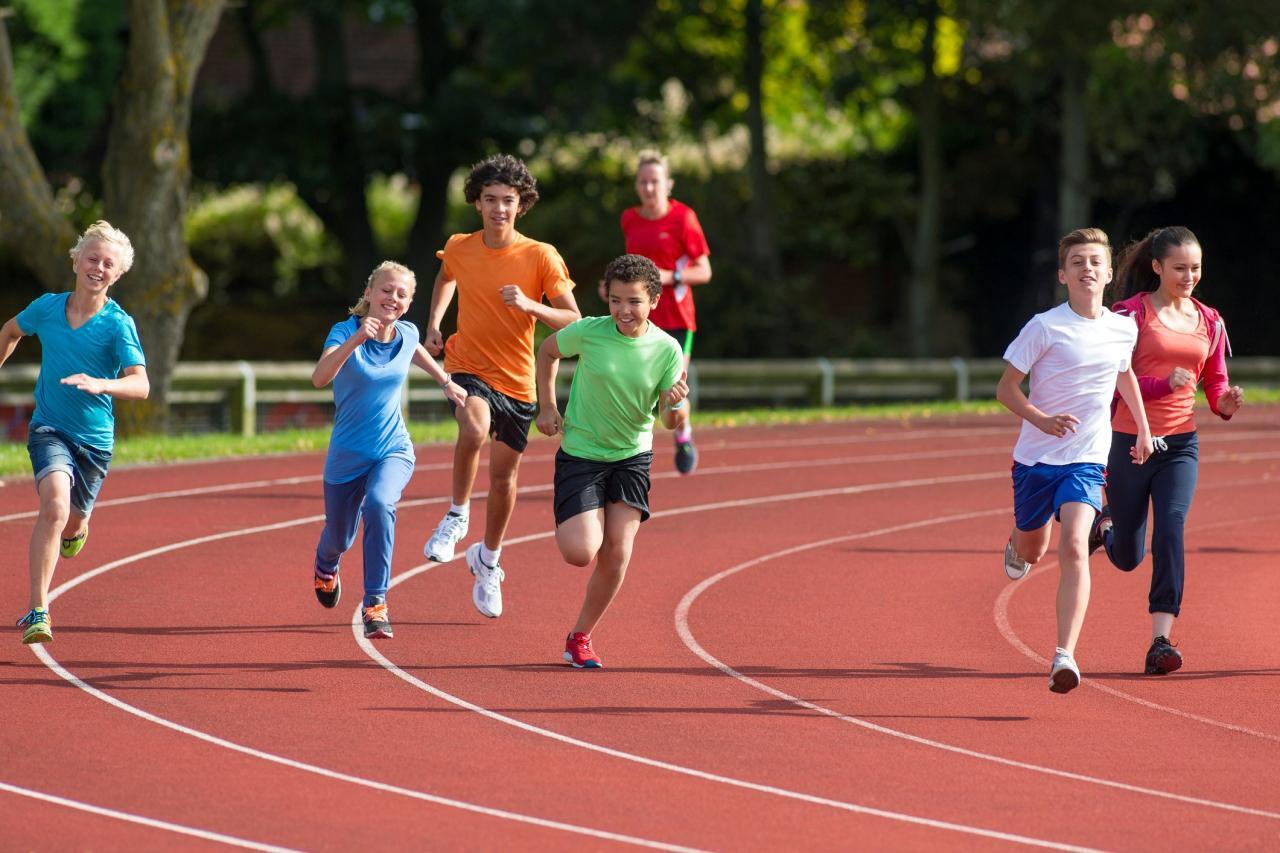
Congratulations on completing your first 5K! This is a significant accomplishment, and the journey doesn’t end at the finish line. This section focuses on how to properly recover, celebrate your success, and build upon your newfound running habit for continued health and fitness.The immediate hours and days following your race are crucial for allowing your body to recuperate and adapt.
Proper recovery not only helps prevent injuries but also sets the stage for your next running adventures.
Immediate Post-Race Recovery Activities
Engaging in specific activities immediately after crossing the finish line aids in reducing muscle soreness, replenishing energy stores, and initiating the repair process. These actions are vital for a quicker return to comfortable running and overall well-being.
- Cool-down: Continue to walk or lightly jog for 5-10 minutes after finishing to gradually bring your heart rate down. This helps prevent blood from pooling in your extremities.
- Stretching: Gentle static stretches focusing on major running muscles like hamstrings, quadriceps, calves, and hip flexors can improve flexibility and reduce stiffness. Hold each stretch for 20-30 seconds without bouncing.
- Rehydration: Replenish fluids lost through sweat by drinking water, electrolyte drinks, or even diluted fruit juice. Aim to sip consistently rather than chugging large amounts.
- Refueling: Consume a balanced snack or meal within 30-60 minutes of finishing that includes carbohydrates to replenish glycogen stores and protein to aid muscle repair. Examples include a banana with peanut butter, Greek yogurt with berries, or a turkey sandwich.
- Active Recovery: In the hours following the race, light, low-impact activities like walking or gentle swimming can promote blood flow and aid in recovery without further stressing your muscles.
Celebrating Your Achievement and Maintaining Running Momentum
Acknowledging your hard work and celebrating your first 5K is an important part of the running journey. It reinforces the positive experience and provides motivation to continue. Maintaining momentum involves integrating running into your lifestyle in a sustainable way.It’s essential to savor this moment and use it as a springboard for future endeavors. Celebrating your success, whether big or small, can significantly boost your confidence and enthusiasm for continuing your fitness journey.
- Acknowledge Your Accomplishment: Take time to reflect on the training, the challenges you overcame, and the feeling of crossing the finish line. Share your success with friends and family.
- Treat Yourself: Consider a small reward that aligns with your interests, such as a new piece of running gear, a massage, or a healthy meal at your favorite restaurant.
- Share Your Story: Talk about your experience with others who might be inspired to start running. Your personal journey can be a powerful motivator.
- Journal Your Progress: Document your race experience, including how you felt before, during, and after. This can be a valuable reference for future races and training.
- Join a Running Community: Connecting with other runners, either online or in person, can provide support, encouragement, and accountability.
Continuing Your Running Journey and Setting New Fitness Goals
Completing a 5K is a fantastic foundation. The next steps involve maintaining consistency, gradually increasing your running capacity, and exploring new fitness objectives to keep your motivation high and continue reaping the benefits of running.Building upon your initial success requires a thoughtful approach to progression. Setting new, achievable goals will provide direction and a sense of purpose for your ongoing running endeavors.
- Gradual Progression: Avoid increasing your mileage or intensity too quickly. A general guideline is to increase your weekly mileage by no more than 10% each week.
- Explore Different Distances: Consider training for a 10K or even a half-marathon if you feel ready. This will present new challenges and expand your running capabilities.
- Incorporate Variety: Mix up your runs by including speed work, hill training, or trail running. This can improve your overall fitness and prevent boredom.
- Cross-Training: Complement your running with other activities like cycling, swimming, or strength training. This builds a more well-rounded physique and reduces the risk of overuse injuries.
- Set New Personal Bests: Aim to improve your 5K time or work towards completing longer distances. Setting specific, measurable, achievable, relevant, and time-bound (SMART) goals is highly effective.
Long-Term Health Benefits of a Consistent Running Habit
Establishing a regular running routine offers a multitude of profound and lasting health benefits that extend far beyond cardiovascular fitness. These advantages contribute to overall physical and mental well-being, enhancing quality of life over the long term.Consistent engagement in running acts as a powerful preventative medicine, safeguarding against numerous chronic diseases and promoting a more robust and resilient body.
- Cardiovascular Health: Regular running strengthens the heart muscle, improves circulation, and helps lower blood pressure and cholesterol levels, significantly reducing the risk of heart disease and stroke. For example, studies have shown that individuals who run regularly have a lower risk of mortality from cardiovascular causes compared to sedentary individuals.
- Weight Management: Running is an effective calorie-burning activity that, when combined with a balanced diet, can aid in achieving and maintaining a healthy weight. A sustained running habit can contribute to a lower body mass index (BMI) and reduced risk of obesity-related health issues.
- Bone Density: Weight-bearing exercises like running stimulate bone formation and help increase bone density, which is crucial for preventing osteoporosis, especially as individuals age.
- Mental Well-being: Running is a powerful stress reliever and mood enhancer. The release of endorphins during exercise can combat symptoms of depression and anxiety, leading to improved cognitive function and a greater sense of overall happiness. Research consistently demonstrates a correlation between regular physical activity and reduced rates of mental health disorders.
- Improved Sleep Quality: Consistent physical activity, including running, can lead to deeper and more restorative sleep patterns, which are essential for physical and mental recovery and overall health.
- Increased Longevity: Studies suggest that regular runners tend to live longer and healthier lives. For instance, a long-term study published in the Journal of the American College of Cardiology found that running, even at a moderate pace, was associated with a reduced risk of all-cause mortality.
Summary
Completing your first 5K is more than just a race; it’s a testament to your dedication and a powerful step towards a healthier, more active lifestyle. By applying the principles of preparation, smart training, and mindful recovery, you’ve not only achieved a significant fitness goal but also cultivated a sustainable habit that offers lasting benefits. Embrace the momentum, celebrate your triumph, and look forward to the many more running adventures that await.