Embark on a journey to unlock the secrets of resilient ankles with our comprehensive guide, “How to Strengthen Your Ankles to Prevent Sprains.” This exploration delves into the intricate mechanics of your ankle joint, unveiling the causes of sprains and the vital role of strength and stability in maintaining an active lifestyle.
We will navigate through the anatomy of the ankle, understand the different severities of sprains, and uncover the profound importance of strong ankles for both athletic endeavors and everyday movements. Prepare to discover how enhanced proprioception and balance can dramatically reduce injury risk and how targeted exercises can transform your ankle health.
Understanding Ankle Sprains

Ankle sprains are among the most common musculoskeletal injuries, affecting individuals of all ages and activity levels. They occur when the ligaments supporting the ankle joint are stretched or torn, often resulting from sudden twists or rolls of the foot. Understanding the mechanisms, anatomy, severity, and symptoms of ankle sprains is the first crucial step in preventing them and managing them effectively.The ankle joint is a complex structure that allows for a wide range of motion, essential for activities like walking, running, and jumping.
Its stability is primarily maintained by a network of strong, fibrous tissues called ligaments. When these ligaments are subjected to forces beyond their capacity, they can sustain damage, leading to a sprain.
Common Causes and Mechanisms of Ankle Sprains
Ankle sprains typically occur when the foot lands awkwardly or is forced into an unnatural position, often during athletic activities or everyday movements. The most frequent mechanism involves an inversion injury, where the sole of the foot turns inward, stretching or tearing the ligaments on the outside of the ankle. Less commonly, an eversion injury can occur, where the foot turns outward, impacting the ligaments on the inside of the ankle.The primary causes and mechanisms include:
- Sudden twists or rolls of the ankle, especially during sports like basketball, soccer, or tennis.
- Landing awkwardly after a jump or fall.
- Walking or running on uneven surfaces.
- Wearing unstable footwear, such as high heels.
- Previous ankle injuries that may have weakened the ligaments.
Anatomy of the Ankle Joint and Involved Ligaments
The ankle joint, or talocrural joint, is formed by the articulation of the tibia (shin bone), fibula (calf bone), and talus (a bone in the foot). This joint is crucial for dorsiflexion (pointing the foot upwards) and plantarflexion (pointing the foot downwards). Its stability is provided by several key ligaments, which are bands of tough connective tissue that connect bone to bone.The major ligaments involved in ankle sprains are located on the lateral (outer) and medial (inner) aspects of the ankle:
- Lateral Ligaments: These are the most commonly injured ligaments due to the typical inversion mechanism. They include:
- Anterior Talofibular Ligament (ATFL): The most frequently sprained ligament.
- Calcaneofibular Ligament (CFL).
- Posterior Talofibular Ligament (PTFL).
- Medial Ligaments: These are less commonly injured and are primarily affected by eversion sprains. The primary medial ligament is the:
- Deltoid Ligament: A strong, fan-shaped ligament on the medial side.
Grades of Ankle Sprains and Their Severity
Ankle sprains are classified into different grades based on the extent of ligament damage, which dictates the severity of the injury and the expected recovery time. This grading system helps healthcare professionals determine the appropriate treatment and rehabilitation plan.The three grades of ankle sprains are:
- Grade I (Mild): This is the least severe type of sprain. It involves slight stretching and microscopic tearing of the ligament fibers. There is typically minimal pain, swelling, and bruising, and the ankle usually retains most of its stability and range of motion. Walking may be slightly uncomfortable but generally possible without significant difficulty.
- Grade II (Moderate): This grade involves a partial tear of the ligament. There is more significant pain, swelling, and bruising compared to a Grade I sprain. The ankle may feel unstable, and walking can be painful, often requiring a limp. Range of motion may be noticeably limited.
- Grade III (Severe): This is the most severe type of sprain, characterized by a complete tear or rupture of the ligament. It results in significant pain, swelling, and bruising. The ankle will likely feel very unstable, and weight-bearing is usually impossible or extremely painful. Surgery may be required in some cases to repair the torn ligament.
Typical Symptoms Experienced During an Ankle Sprain
The experience of an ankle sprain can vary depending on its severity, but several common symptoms are usually present. Recognizing these symptoms is essential for prompt diagnosis and management.The typical symptoms include:
- Pain: Often immediate and sharp at the time of injury, which may become a dull ache. The location and intensity of pain depend on which ligament(s) are affected.
- Swelling: This is a common inflammatory response and can develop rapidly around the ankle, particularly on the outer side for inversion sprains.
- Bruising (Ecchymosis): Discoloration of the skin due to bleeding under the surface, which may appear hours or days after the injury.
- Tenderness to Touch: The injured area will be sensitive when pressed.
- Limited Range of Motion: Difficulty moving the ankle up, down, or side to side due to pain and swelling.
- Instability: A feeling that the ankle “gives way” or is wobbly, especially with more severe sprains.
- Popping Sensation: Some individuals may report hearing or feeling a “pop” at the moment of injury, which can indicate a ligament tear.
The Importance of Strong Ankles
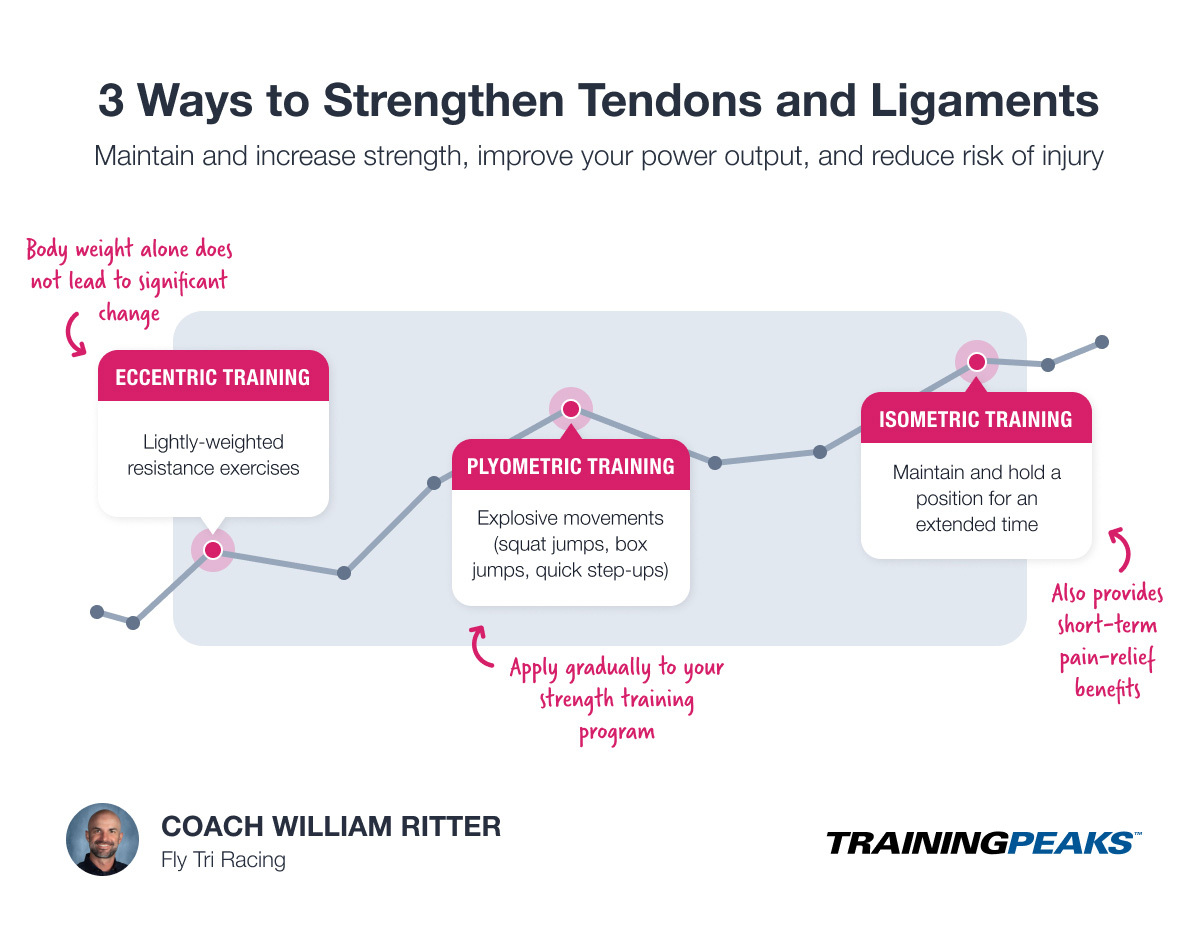
Strong ankles are fundamental to maintaining an active and injury-free lifestyle. They serve as the critical link between your legs and the ground, absorbing impact and providing stability during every movement, from walking to high-intensity athletic pursuits. Neglecting ankle strength can significantly compromise your ability to perform everyday tasks and participate in sports, while also increasing your susceptibility to painful and debilitating sprains.The ankle joint is a complex structure, and its strength is not solely derived from muscles.
It relies heavily on a sophisticated interplay of ligaments, tendons, and nerves that contribute to its overall stability and resilience. Understanding these components reveals why prioritizing ankle fortification is essential for both performance enhancement and injury prevention.
Proprioception and Balance in Ankle Stability
Proprioception, often referred to as the body’s “sixth sense,” plays a pivotal role in ankle stability. It is the sensory feedback mechanism that informs your brain about the position and movement of your body in space. Within the ankle, specialized nerve receptors in the muscles, tendons, and ligaments constantly send signals to the brain. This continuous stream of information allows your brain to make rapid, unconscious adjustments to muscle activation, thereby maintaining balance and preventing unexpected twists or rolls of the ankle.When proprioception is well-developed, the ankle joint is more adept at responding to uneven surfaces or sudden changes in direction.
Stronger ankle muscles, coupled with effective proprioceptive pathways, create a robust defense against sprains. Conversely, impaired proprioception, often a consequence of previous injuries or a lack of targeted training, leaves the ankle vulnerable. It reduces the speed and accuracy of the body’s response to destabilizing forces, making a sprain far more likely.
“The ankle’s ability to anticipate and react to ground forces is a testament to the intricate coordination between muscular strength and neurological feedback.”
Weak Ankles and Increased Injury Risk
Weakness in the muscles surrounding the ankle joint, including the tibialis anterior (front of the shin) and the peroneal muscles (outer side of the lower leg), significantly elevates the risk of ankle sprains. These muscles act as dynamic stabilizers, working in conjunction with the passive stability provided by ligaments. When these muscles are underdeveloped or fatigued, they are less capable of controlling the ankle’s movement, especially during activities that involve jumping, cutting, or landing.The consequence of insufficient muscular support is that the ligaments, which are primarily designed to limit excessive motion rather than actively control it, are forced to bear a greater load.
In situations of sudden stress, such as landing awkwardly from a jump or stepping on an uneven surface, weak stabilizing muscles cannot adequately counteract the forces, leading to the overstretching or tearing of ligaments – the hallmark of an ankle sprain. Studies have consistently shown a strong correlation between reduced ankle strength, particularly in the peroneal muscles, and a higher incidence of lateral ankle sprains.
Activities Benefiting from Strong Ankles
The benefits of strong ankles extend across a wide spectrum of physical activities, enhancing both performance and safety. For athletes, robust ankles are not merely about injury prevention; they are integral to maximizing athletic potential.
- Running and Jumping Sports: Activities like basketball, volleyball, soccer, and track and field demand explosive power and the ability to absorb significant impact. Strong ankles are essential for generating force during jumps, cushioning landings, and maintaining stability during quick directional changes, all of which are critical for peak performance and reducing the risk of sprains during these dynamic movements.
- Team Sports with Agility Requirements: Sports such as tennis, badminton, and martial arts involve frequent lateral movements, quick stops, and starts. Well-developed ankle muscles provide the necessary stability to execute these maneuvers efficiently and safely, preventing the ankle from rolling inward or outward under stress.
- Outdoor and Trail Activities: Hiking, trail running, and even walking on uneven terrain present constant challenges to ankle stability. Strong ankles, combined with good proprioception, allow individuals to navigate unpredictable surfaces with confidence, minimizing the likelihood of missteps and subsequent injuries.
- Weightlifting and Strength Training: During exercises like squats, deadlifts, and lunges, the ankles play a crucial role in maintaining a stable base and transferring force effectively. Strong ankles contribute to better form, increased power output, and a reduced risk of injury during these demanding movements.
- Everyday Mobility: Beyond sports, strong ankles are vital for everyday activities. They enable stable walking, climbing stairs, and maintaining balance when standing, contributing to overall functional independence and preventing falls, especially in older adults.
Effective Exercises for Ankle Strengthening

Building strong and resilient ankles is paramount to preventing injuries like sprains. This section Artikels a comprehensive set of exercises designed to target various aspects of ankle strength and stability, from basic movements to more challenging progressions. By incorporating these exercises into your routine, you can significantly enhance your ankle’s ability to withstand stress and reduce the risk of injury.A well-rounded ankle strengthening program addresses multiple planes of motion and muscle groups that directly influence ankle health.
The following exercises are categorized to systematically improve dorsiflexion, plantarflexion, inversion, eversion, and calf muscle strength, all of which contribute to overall ankle stability.
Exercises for Ankle Dorsiflexion and Plantarflexion
Dorsiflexion refers to the movement of lifting your foot upwards towards your shin, while plantarflexion is the movement of pointing your toes downwards. Strengthening these actions improves the ankle’s range of motion and the ability of the muscles to control these movements, which are crucial for walking, running, and jumping.
Here are exercises to enhance these movements:
- Heel Walks: Stand tall with your feet flat on the ground. Lift your heels so that you are walking only on the balls of your feet and toes. Walk forward for a set distance or duration, focusing on keeping your toes pointed upwards. This primarily targets dorsiflexion.
- Calf Raises (Standing): Stand with your feet hip-width apart. Slowly rise up onto the balls of your feet, lifting your heels as high as possible. Hold for a second, then slowly lower your heels back to the starting position. This exercise strengthens the calf muscles, which are essential for plantarflexion and ankle support.
- Resistance Band Dorsiflexion: Sit on the floor with your legs extended. Loop a resistance band around the ball of your foot and anchor the other end to a stable object (like a table leg). Keeping your heel on the floor, pull your toes towards your shin against the resistance of the band. Slowly return to the starting position.
- Resistance Band Plantarflexion: Sit on the floor with your legs extended. Loop a resistance band around the ball of your foot and hold the ends of the band in your hands. Keeping your heel on the floor, push your foot downwards and away from you, as if pressing a gas pedal, against the resistance of the band. Slowly return to the starting position.
Exercises for Ankle Inversion and Eversion Strength
Inversion is the movement of turning the sole of your foot inward, towards the midline of your body, while eversion is turning the sole of your foot outward. The muscles responsible for these movements, particularly the tibialis anterior (for inversion) and the fibularis muscles (for eversion), play a critical role in stabilizing the ankle against rolling outwards or inwards, which is a common mechanism for sprains.
To improve inversion and eversion strength, consider the following exercises:
- Towel Curls: Sit on a chair with your feet flat on the floor. Place a small towel under one foot. Using only your toes, scrunch the towel towards you. Once you have scrunched the entire towel, reverse the motion and push the towel back out with your toes. This exercise engages the muscles responsible for inversion.
- Resistance Band Inversion: Sit on the floor with your legs extended. Loop a resistance band around the arch of your foot and anchor the other end to a stable object to your side. Keeping your heel in place, turn your foot inwards, towards your other leg, against the resistance of the band. Slowly return to the starting position.
- Resistance Band Eversion: Sit on the floor with your legs extended. Loop a resistance band around the arch of your foot and anchor the other end to a stable object to your side, but positioned so that the band is pulling your foot outwards. Keeping your heel in place, turn your foot outwards, away from your other leg, against the resistance of the band.
Slowly return to the starting position.
- Side-Stepping with Resistance Band: Stand with a resistance band looped around your ankles. Step sideways, keeping your feet parallel and maintaining tension on the band. Take several steps in one direction, then repeat in the other direction. This engages both inversion and eversion muscles for lateral stability.
Routine for Building Calf Muscle Strength
The calf muscles, primarily the gastrocnemius and soleus, are crucial for plantarflexion and provide significant support to the ankle joint. Strengthening these muscles directly contributes to ankle stability and power.
A balanced calf strengthening routine can include:
- Standard Calf Raises: As described earlier, performing sets of 10-15 repetitions.
- Seated Calf Raises: Sit on a chair with your feet flat on the floor and a weight (like dumbbells or a barbell) resting on your thighs just above your knees. Lift your heels off the floor as high as possible, squeezing your calf muscles. Lower slowly. This variation places more emphasis on the soleus muscle.
- Single-Leg Calf Raises: Stand on one leg, with the other leg bent or held off the ground. Perform calf raises on the standing leg. For added challenge, you can stand on the edge of a step, allowing your heel to drop below the level of the step for a greater range of motion.
- Jump Rope: This activity is an excellent dynamic exercise that builds calf endurance and explosive power, crucial for many sports.
Progression Plan for Ankle Strengthening Exercises
To ensure continuous improvement and avoid plateaus, it’s essential to progressively challenge your ankles. This plan Artikels a gradual increase in difficulty, suitable for individuals of varying fitness levels.
Beginners should focus on mastering the basic movements before advancing:
- Beginner (Weeks 1-4): Focus on bodyweight exercises with controlled movements. Perform 2-3 sets of 10-15 repetitions for each exercise, 3-4 times per week. Prioritize proper form over speed or weight.
- Intermediate (Weeks 5-12): Introduce light resistance bands or light weights. Increase the number of sets to 3-4 and repetitions to 12-15. Consider adding single-leg variations and incorporating exercises like jump rope for short durations.
- Advanced (12+ Weeks): Increase resistance significantly with stronger bands or heavier weights. Perform 3-4 sets of 15-20 repetitions. Incorporate plyometric exercises (e.g., box jumps, ankle hops) if appropriate for your sport or activity. Advanced individuals may also benefit from incorporating unstable surfaces like balance boards for added stability challenges.
Bodyweight Exercises for Ankle Stability
Bodyweight exercises are fundamental for developing ankle stability, as they challenge the muscles to work against gravity and maintain balance. These exercises are accessible and can be performed almost anywhere.
Key bodyweight exercises for enhancing ankle stability include:
- Single-Leg Stance: Stand on one leg with your knee slightly bent. Hold this position for 30-60 seconds, focusing on maintaining balance without letting your ankle wobble excessively. Repeat on the other leg. As you improve, try closing your eyes or standing on an unstable surface like a pillow or balance cushion.
- Alphabet Writing with Foot: Sit on the floor or a chair. Extend one leg and use your foot to “write” the letters of the alphabet in the air. This promotes controlled movement in multiple directions and engages smaller stabilizing muscles.
- Ankle Circles: While seated or standing, lift one foot slightly off the ground. Rotate your ankle in a circular motion, both clockwise and counter-clockwise. Perform 10-15 circles in each direction. This improves range of motion and warms up the ankle joint.
- Heel-to-Toe Walking: Walk in a straight line, placing the heel of your front foot directly in front of the toes of your back foot. This requires significant balance and coordination, strengthening the stabilizing muscles of the ankle and improving proprioception (your body’s awareness of its position in space).
Balance and Proprioception Drills
Beyond just muscle strength, your ankles rely on excellent balance and proprioception – your body’s ability to sense its position in space. These skills are crucial for reacting quickly to uneven surfaces and preventing those sudden, awkward twists that lead to sprains. Engaging in specific drills can significantly enhance your ankle’s stability and your overall confidence in movement.The following exercises are designed to progressively challenge your ankle’s ability to maintain equilibrium and improve your awareness of its position, even in dynamic situations.
Single-Leg Stance Variations
The single-leg stance is a foundational exercise for improving ankle proprioception. By challenging your body to balance on one foot, you force the small stabilizing muscles around your ankle to engage and work harder. This constant micro-adjustment builds strength and refines your body’s ability to sense and respond to subtle shifts.Here are several variations to progressively increase the challenge:
- Basic Single-Leg Stance: Stand with your feet hip-width apart. Shift your weight onto one leg, lifting the other foot a few inches off the ground. Hold this position for 30-60 seconds, focusing on maintaining a stable posture without wobbling. Repeat on the other leg.
- Eyes Closed Single-Leg Stance: Once comfortable with the basic stance, try closing your eyes. This significantly increases the proprioceptive demand as your visual input is removed, forcing your ankle and leg to rely more heavily on internal sensory feedback. Hold for 20-30 seconds.
- Single-Leg Stance with Arm Movements: While balancing on one leg, gently move your arms. This introduces an element of dynamic instability, requiring your ankle to compensate for the shifting center of gravity. Try raising your arms overhead, reaching them out to the sides, or performing slow circles.
- Single-Leg Stance on Different Surfaces: Progress by performing the single-leg stance on slightly unstable surfaces. Start with a folded towel or a yoga mat, then advance to a firmer cushion or a foam pad. This simulates real-world uneven terrains.
Balance Board and Disc Training
Balance boards and discs are specialized tools that provide a highly effective way to train ankle stability and proprioception. They create an unstable surface that continuously challenges your ankle’s ability to react and maintain balance, mimicking the demands of sports and everyday activities.Using these tools can significantly improve your ability to control your ankle through its full range of motion and react to unexpected movements.
- Balance Disc Exercises:
- Single-Leg Balance on Disc: Stand with one foot centered on a balance disc. Aim to hold a stable position for 30-60 seconds. As you improve, try performing small movements like bending your knee slightly or shifting your weight forward and backward.
- Two-Legged Balance with Subtle Shifts: Stand with both feet on the balance disc. Focus on making small, controlled weight shifts from side to side and front to back, feeling how your ankles adjust to maintain equilibrium.
- Squats on Balance Disc: For an advanced challenge, perform shallow squats while standing on the balance disc. This combines lower body strength with significant ankle stabilization.
- Balance Board Exercises:
- Basic Rocking: Stand with both feet on the balance board, centered. Gently rock the board forward and backward, then side to side, controlling the movement with your ankles and core.
- Circular Movements: Once comfortable with rocking, try to make slow, controlled circular movements with the balance board in both directions. This engages your ankles in a more comprehensive manner.
- Single-Leg Balance on Board: Similar to the disc, standing on one leg on a balance board is a significant challenge. Start with short durations and gradually increase the hold time.
Retraining Ankle Awareness After Injury
After an ankle sprain, retraining your ankle’s awareness (proprioception) is just as important as strengthening the muscles. The nerves that provide feedback about your ankle’s position can be temporarily impaired, leading to a higher risk of re-injury. A structured approach can help restore this vital sensory information.The following sequence of drills is designed to gradually rebuild ankle awareness and confidence, starting with the simplest and progressing to more complex challenges.
- Phase 1: Gentle Sensory Input (Early Recovery)
- Ankle Alphabet: While seated or lying down, gently trace the letters of the alphabet in the air with your big toe. This involves controlled movement through the ankle’s range of motion without significant weight-bearing.
- Foot Taps: While seated, gently tap your heel and then your toes on the floor, alternating between them. This encourages basic foot and ankle articulation.
- Gentle Range of Motion: Slowly and gently move your foot up and down (dorsiflexion and plantarflexion) and side to side (inversion and eversion) within a pain-free range.
- Phase 2: Weight-Bearing Awareness (Mid-Recovery)
- Two-Legged Stance with Weight Shifts: Stand with feet hip-width apart and gently shift your weight from one foot to the other, paying attention to the sensations in your ankles.
- Single-Leg Stance on Stable Surface: Progress to the basic single-leg stance as described earlier, focusing on maintaining balance and feeling your ankle stabilize.
- Walking on Different Textures: Begin walking on varied surfaces like grass, carpet, or sand, focusing on how your ankles adjust to the different textures.
- Phase 3: Dynamic Proprioception (Late Recovery and Prevention)
- Single-Leg Stance on Unstable Surfaces: Incorporate the balance disc or cushion variations as described above.
- Walking Heel-to-Toe: Walk in a straight line, placing the heel of one foot directly in front of the toes of the other. This requires precise balance and ankle control.
- Gentle Hops and Jumps (Progressive): Once cleared by a healthcare professional, begin with small, controlled hops on two feet, then progress to single-leg hops. Gradually increase the height and intensity.
- Agility Drills: Incorporate simple agility drills like side shuffles or forward and backward runs, focusing on controlled landings and quick changes of direction.
Incorporating Resistance Training
Building upon the foundational exercises and balance drills, resistance training introduces an additional layer of challenge that significantly enhances ankle strength and stability. By actively working against external forces, you further develop the muscles responsible for controlling ankle movement, making them more resilient to the sudden twists and turns that often lead to sprains. This targeted approach is crucial for creating a robust defense against ankle injuries.Resistance training for the ankles can be effectively integrated into your routine using readily available tools like resistance bands and ankle weights.
These methods allow for progressive overload, meaning you can gradually increase the difficulty as your strength improves, ensuring continuous development.
Resistance Bands for Ankle Strengthening
Resistance bands are versatile and portable tools that can be used to effectively target the muscles surrounding the ankle. They provide variable resistance, allowing for a controlled and customizable workout.
Here are several exercises using resistance bands:
- Dorsiflexion: Sit with your legs extended. Loop a resistance band around the top of your foot and anchor the other end to a stable object in front of you. Keeping your heel on the ground, pull your toes and the top of your foot towards your shin, feeling the resistance in the front of your ankle.
- Plantarflexion: Lie on your back with your legs extended. Loop a resistance band around the ball of your foot and anchor the other end behind you. Point your toes away from your body, pushing against the band.
- Inversion: Sit with your legs extended. Loop a resistance band around the outside of your foot and anchor the other end to a stable object to your side. Turn your foot inward towards your other leg, resisting the band.
- Eversion: Sit with your legs extended. Loop a resistance band around the inside of your foot and anchor the other end to a stable object to your side. Turn your foot outward away from your other leg, resisting the band.
Heel Walks and Toe Walks with Added Resistance
Heel walks and toe walks are excellent bodyweight exercises that engage the muscles responsible for ankle stability. Adding resistance elevates their effectiveness by demanding greater effort from these muscle groups.
To incorporate resistance:
- Heel Walks with Resistance: Perform heel walks as usual, but consider adding ankle weights for increased challenge. Alternatively, a light resistance band can be looped around your ankles to provide gentle outward pressure, requiring your muscles to work harder to maintain control.
- Toe Walks with Resistance: Similarly, when performing toe walks, ankle weights can be used. For an additional challenge, a resistance band can be tied around your ankles, creating a slight inward pull that your muscles must overcome to keep your feet straight and stable.
Benefits of Incorporating Ankle Weights
Ankle weights offer a straightforward yet effective way to increase the intensity of ankle strengthening exercises. By adding a consistent external load, they force the muscles to work harder through their range of motion, promoting greater strength and endurance.
“Ankle weights provide a consistent, measurable load that can be progressively increased to challenge the ankle’s stabilizing muscles.”
The consistent resistance provided by ankle weights is particularly beneficial for exercises like calf raises, heel walks, and toe walks. This added weight helps to build muscle mass and improve the neuromuscular control required for quick adjustments and injury prevention.
Resistance Training Program for Specific Ankle Muscle Groups
A well-rounded resistance training program targets the diverse muscle groups that support the ankle joint, ensuring comprehensive strength development. This program can be performed 2-3 times per week, with rest days in between.
| Muscle Group | Exercise | Resistance Method | Sets & Reps | Notes |
|---|---|---|---|---|
| Anterior Tibialis (Shin) | Dorsiflexion | Resistance Band | 3 sets of 15-20 reps | Focus on controlled movement. |
| Gastrocnemius & Soleus (Calf) | Calf Raises (double leg, then single leg) | Ankle Weights or Bodyweight | 3 sets of 15-20 reps | Ensure full range of motion. |
| Peroneals (Outer Ankle) | Eversion | Resistance Band | 3 sets of 15-20 reps | Maintain ankle stability. |
| Tibialis Posterior (Inner Ankle) | Inversion | Resistance Band | 3 sets of 15-20 reps | Perform slowly and deliberately. |
| Overall Stability | Heel Walks | Ankle Weights (optional) | 3 sets of 30-60 seconds | Maintain upright posture. |
| Overall Stability | Toe Walks | Ankle Weights (optional) | 3 sets of 30-60 seconds | Engage calf muscles. |
Flexibility and Mobility for Ankle Health
Maintaining optimal ankle flexibility and mobility is a cornerstone of preventing sprains. When your ankles are stiff or have a limited range of motion, they are less able to absorb shock and adapt to uneven surfaces, making them more susceptible to injury. Addressing flexibility and mobility ensures that your ankles can move through their full, healthy range, which is crucial for dynamic activities and everyday movements alike.This section will explore how improved flexibility and mobility contribute to ankle resilience, detail effective stretching and mobility exercises, and Artikel a dynamic routine to prepare your ankles for physical exertion.
The Role of Flexibility in Ankle Sprain Prevention
Ankle flexibility refers to the ability of the ankle joint and surrounding tissues to move through a full range of motion without restriction. When the muscles and tendons around the ankle, particularly the calf muscles and Achilles tendon, are tight, they can limit the ankle’s ability to dorsiflex (bring the toes towards the shin) and plantarflex (point the toes away).
This limitation can force the ankle into awkward positions during sudden movements or when landing from a jump, increasing the risk of rolling or twisting the ankle. Improved flexibility allows the ankle to absorb impact more effectively and adapt to changes in terrain, thereby reducing the likelihood of a sprain.
Calf and Achilles Tendon Stretching Techniques
Targeted stretching of the calf muscles (gastrocnemius and soleus) and the Achilles tendon is vital for enhancing ankle flexibility. These stretches should be performed gently and held for a sufficient duration to allow the muscles to lengthen.Here are some effective stretching techniques:
- Gastrocnemius Stretch: Stand facing a wall, place your hands on the wall for support, and step one foot back, keeping the heel on the ground and the back leg straight. Lean forward by bending the front knee until you feel a stretch in the calf of the back leg. Hold for 20-30 seconds and repeat on the other side.
- Soleus Stretch: From the same starting position as the gastrocnemius stretch, slightly bend the back knee while keeping the heel on the ground. This targets the lower part of the calf. Hold for 20-30 seconds and repeat on the other side.
- Achilles Tendon Stretch: This can be incorporated into the calf stretches. Ensure your heel remains firmly planted on the ground throughout both the straight-leg and bent-leg calf stretches to effectively engage the Achilles tendon.
- Towel Stretch: Sit on the floor with your legs extended in front of you. Loop a towel or resistance band around the ball of your foot and gently pull your toes towards your body, keeping your knee straight. Hold for 20-30 seconds and repeat on the other side.
Ankle Mobility Exercises for Enhanced Range of Motion
Mobility exercises focus on actively moving the ankle joint through its available range of motion. These movements help to lubricate the joint, improve circulation, and increase the functional range of motion.Key mobility exercises include:
- Ankle Circles: Sit or stand and lift one foot slightly off the ground. Rotate your ankle clockwise for 10-15 repetitions, then counter-clockwise for the same number of repetitions. Repeat with the other foot.
- Ankle Dorsiflexion and Plantarflexion: While seated, keep your heel on the floor and move your toes up and down as far as comfortably possible. Perform 15-20 repetitions.
- Ankle Inversion and Eversion: While seated with your heel on the floor, move your foot outwards (eversion) and then inwards (inversion) as far as possible. Perform 15-20 repetitions for each movement.
- Alphabet Tracing: Imagine your big toe is a pen and trace the letters of the alphabet in the air with your foot. This engages multiple planes of motion.
Dynamic Stretching Routine for Pre-Activity Preparation
Dynamic stretching involves moving parts of your body through their full range of motion in a controlled manner. It is an excellent way to warm up the muscles and prepare the joints for more strenuous activity, unlike static stretching which is best performed post-exercise.A dynamic stretching routine for ankles before physical activity could include:
- Leg Swings (Forward and Backward): Stand tall and swing one leg forward and backward in a controlled motion, allowing the ankle to move naturally. Perform 10-15 swings per leg.
- Leg Swings (Side to Side): Facing a wall for support, swing one leg across the front of your body and then out to the side. Perform 10-15 swings per leg.
- Walking Lunges with Ankle Dorsiflexion: As you lunge forward, actively pull your front foot’s toes up towards your shin. This combines a lunge with a dynamic ankle stretch. Perform 10-12 lunges per leg.
- High Knees with Ankle Pops: As you bring your knees up towards your chest, quickly point and flex your ankles. This is a more vigorous dynamic movement. Perform for 30 seconds.
- Butt Kicks: While jogging in place or moving forward, bring your heels up towards your glutes, allowing your ankles to flex. Perform for 30 seconds.
This dynamic routine helps to increase blood flow to the ankle muscles, improve joint lubrication, and activate the muscles responsible for ankle stability, thus priming them for the demands of exercise and reducing the risk of injury.
Lifestyle and Prevention Strategies
While strengthening exercises and balance drills are paramount, integrating proactive lifestyle choices and preventative measures can significantly reduce your susceptibility to ankle sprains. These strategies address the external factors and daily habits that contribute to ankle vulnerability, creating a more resilient foundation for your joints.Adopting a mindful approach to your daily activities, from the shoes you wear to how you navigate your environment, plays a crucial role in safeguarding your ankles.
By understanding and implementing these lifestyle adjustments, you can further enhance your ankle health and minimize the risk of injury.
Proper Footwear for Ankle Support
The shoes you choose are your first line of defense against ankle injuries. The right footwear provides essential support, cushioning, and stability, helping to absorb impact and prevent awkward ankle rolls.When selecting shoes for activities that put your ankles at risk, consider the following features:
- Ankle Collar Height: Higher-cut shoes, such as those found in hiking boots or basketball shoes, offer greater support by wrapping around the ankle bone, limiting excessive inversion or eversion.
- Sole Stability: A rigid sole with a wide base provides a stable platform, reducing the likelihood of the ankle rolling inwards or outwards. Look for shoes with good torsional rigidity, meaning they resist twisting.
- Cushioning: Adequate cushioning in the midsole absorbs shock from impact, reducing stress on the ankle joint, especially during high-impact activities like running or jumping.
- Lacing System: A secure lacing system allows you to customize the fit, ensuring your foot is held snugly within the shoe and preventing unnecessary movement that could lead to a sprain.
- Tread and Grip: For outdoor activities or sports, a shoe with a good tread pattern provides superior traction, minimizing the risk of slipping on various surfaces.
It’s also important to replace worn-out shoes, as their supportive and cushioning properties degrade over time, increasing your risk of injury.
Environmental Factors Increasing Ankle Sprain Risk
Your surroundings can present numerous challenges to ankle stability. Awareness of these environmental factors allows for proactive adjustments to prevent sprains.Common environmental factors that elevate the risk of ankle sprains include:
- Uneven Surfaces: Potholes, cracks in sidewalks, tree roots, and rocky trails can cause sudden, unpredictable ankle movements, leading to sprains.
- Slippery Conditions: Wet floors, icy pavements, and oily surfaces drastically reduce traction, making slips and falls, and subsequent ankle injuries, more probable.
- Poor Lighting: Inadequate lighting can obscure potential hazards on the ground, making it difficult to see and avoid uneven terrain or obstacles.
- Crowded Environments: Navigating through crowded spaces increases the chance of stepping on someone else’s foot or encountering unexpected obstacles, which can destabilize your ankle.
- Sports Fields and Courts: The surfaces of sports fields and courts can vary in consistency and may have hidden divots or uneven patches that pose a risk.
Safely Navigating Uneven Terrain
Confronting uneven terrain requires a conscious and deliberate approach to protect your ankles. By employing specific techniques, you can significantly reduce the risk of a sprain.When walking or running on uneven surfaces, consider the following strategies:
- Scan Ahead: Maintain a forward gaze to identify potential hazards and plan your path accordingly. This allows you to anticipate changes in the terrain.
- Adjust Your Stride: Shorten your stride and take more deliberate steps. This provides better control and allows for quicker adjustments if your foot lands awkwardly.
- Engage Your Core: A strong core contributes to overall body stability, which in turn helps maintain better balance and control over your extremities, including your ankles.
- Use Poles for Support: For hiking or trekking on particularly challenging terrain, trekking poles can provide additional points of contact and stability, reducing the load on your ankles.
- Wear Appropriate Footwear: As mentioned previously, shoes with good ankle support and traction are essential for navigating uneven ground.
For instance, a hiker encountering a steep, rocky descent should focus on placing their feet deliberately, using poles for balance, and wearing sturdy boots with excellent grip, rather than rushing down the slope.
Importance of Adequate Warm-Up and Cool-Down Routines
Preparing your body for physical activity and aiding its recovery afterward are critical components of injury prevention, particularly for your ankles. Warm-up and cool-down routines enhance performance and reduce the likelihood of acute injuries.A proper warm-up routine is designed to gradually increase blood flow to the muscles, elevate body temperature, and prepare the joints for movement. This makes tissues more pliable and responsive.
A well-prepared muscle is less prone to sudden tears or strains.
Effective warm-up components for ankles include:
- Light Aerobic Activity: Start with 5-10 minutes of light cardio, such as jogging in place, jumping jacks, or cycling, to increase your heart rate and overall body temperature.
- Dynamic Stretching: Focus on movements that take your joints through their range of motion. Examples include ankle circles (clockwise and counterclockwise), leg swings, and high knees.
- Sport-Specific Drills: If preparing for a particular sport, incorporate movements that mimic the actions of that sport at a lower intensity.
Conversely, a cool-down routine helps the body gradually return to its resting state, aids in muscle recovery, and can improve flexibility.
A proper cool-down facilitates the removal of metabolic waste products and reduces post-exercise muscle soreness.
Beneficial cool-down practices for ankles include:
- Static Stretching: Hold stretches for 15-30 seconds, focusing on the calf muscles, Achilles tendon, and the muscles around the ankle. Examples include calf stretches against a wall and toe touches.
- Foam Rolling: Gently rolling out the calf muscles and the sole of the foot can help release muscle tension and improve blood flow.
- Gentle Movement: Light walking or cycling can help prevent blood from pooling in the extremities.
For example, an athlete preparing for a soccer match would engage in a warm-up that includes light jogging, dynamic leg swings, and practice dribbling, followed by a cool-down with static calf stretches and gentle walking.
Recognizing and Responding to Early Signs

Being attuned to the subtle signals your body sends is crucial for preventing minor ankle issues from escalating into significant injuries. Understanding these early warning signs allows for timely intervention, safeguarding your ankle’s long-term health and stability. This proactive approach is a cornerstone of effective ankle injury prevention.Identifying instability before it leads to a sprain involves paying close attention to how your ankle feels during everyday activities and exercise.
These initial indicators are often overlooked but provide valuable insights into your ankle’s current condition.
Indicators of Ankle Instability
Several key sensations and observations can point to developing ankle instability. Recognizing these signs promptly enables you to take appropriate action before a more serious injury occurs.
- A feeling of “giving way” or looseness in the ankle, especially during changes in direction or when walking on uneven surfaces.
- Recurrent minor twists or rolls of the ankle that may not result in immediate pain but indicate a lack of inherent stability.
- Persistent, dull aches or discomfort around the ankle joint, particularly after activity, that doesn’t fully resolve with rest.
- A noticeable difference in the perceived stability between your ankles.
- Increased susceptibility to tripping or stumbling, even in familiar environments.
Immediate Actions for Perceived Weakness
When you experience a sensation of weakness or instability in your ankle, immediate, appropriate action can significantly mitigate the risk of a full sprain. These steps are designed to protect the joint and promote recovery.If your ankle feels weak or unstable, the following immediate steps are recommended:
- Reduce Activity: Immediately cease or significantly reduce the activity that is causing the sensation of weakness. Avoid putting excessive stress on the ankle.
- Rest and Support: Allow the ankle to rest. If available, gently support the ankle with an elastic bandage or an ankle brace. This can provide a sense of stability and reduce minor swelling.
- Gentle Movement: Once the immediate sensation subsides, perform very gentle range-of-motion exercises, such as tracing the alphabet with your toe, to maintain mobility without stressing the joint.
- Ice Application: If there is any hint of swelling or discomfort, apply an ice pack wrapped in a thin towel for 15-20 minutes every 2-3 hours.
Seeking Professional Guidance
While minor discomfort can often be managed at home, there are clear indications that professional medical advice is necessary. Prompt consultation with a healthcare provider ensures accurate diagnosis and a tailored treatment plan.Professional advice should be sought if any of the following conditions persist:
- Ankle discomfort or instability that does not improve with rest and home care within a few days.
- Repeated episodes of the ankle feeling weak or giving way, even after implementing preventative strategies.
- Significant pain, swelling, bruising, or inability to bear weight on the affected ankle.
- A feeling that the ankle is chronically unstable, impacting daily activities or athletic performance.
- Any new or worsening symptoms that cause concern.
Managing Minor Ankle Discomfort
Effectively managing minor ankle discomfort is key to preventing it from developing into a more serious issue. These strategies focus on alleviating symptoms and supporting the ankle’s natural healing process.Strategies for managing minor ankle discomfort include:
- R.I.C.E. Protocol: For mild discomfort or swelling, consistently apply the R.I.C.E. protocol: Rest, Ice, Compression (with an elastic bandage), and Elevation.
- Over-the-Counter Pain Relief: Non-steroidal anti-inflammatory drugs (NSAIDs) like ibuprofen or naproxen can help manage pain and inflammation, but always follow dosage instructions and consult a pharmacist or doctor if unsure.
- Gentle Stretching: Once pain subsides, incorporate gentle ankle stretches to maintain flexibility and prevent stiffness. Avoid any stretches that exacerbate pain.
- Gradual Return to Activity: When symptoms have resolved, gradually reintroduce activities, starting with low-impact exercises and progressively increasing intensity and duration. Listen to your body and stop if discomfort returns.
- Proprioception Exercises: Once pain-free, begin incorporating balance and proprioception exercises to retrain the ankle’s ability to sense its position and react to instability.
Concluding Remarks

In conclusion, by embracing the exercises, drills, and lifestyle strategies Artikeld, you are well-equipped to fortify your ankles and significantly minimize the likelihood of sprains. This proactive approach not only enhances athletic performance but also safeguards your daily mobility, ensuring you can confidently navigate any activity with stable and robust ankles.